



As oil prices continue to fluctuate and emission reduction policies become increasingly stringent, the world is being forced to seek more sustainable energy solutions. Among them, solar energy is gradually affirming its important role thanks to increasingly reasonable costs and wide application potential. Although fossil fuels remain the primary supply source, the global trend is clearly shifting towards cleaner energy sources. How fast will this transition take place? And more importantly, will solar energy be strong enough to replace traditional energy sources in the near future?
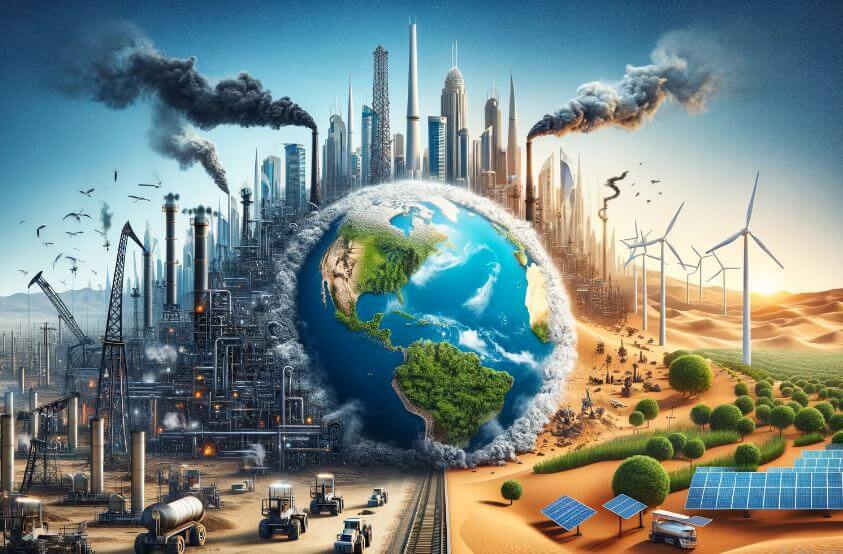
Overview of Current Issues with Fossil Fuels
Fossil fuels, including coal, petroleum, and natural gas, have long been the foundation of global industrial and economic development. However, by 2025, they are causing serious problems, affecting the environment, human health, and society. These challenges not only arise from usage but also from extraction processes and the prolonged global dependency on these energy sources. The following sections will analyze the current aspects of fossil fuels in detail, helping you better understand the ongoing situation.
Detailed Analysis of Climate Change
Fossil fuels are the main cause of greenhouse gases, especially carbon dioxide (CO2), accumulating in the atmosphere, leading to global warming. Burning these fuels increases the Earth’s average temperature, causing more severe extreme weather events like storms, droughts, and floods.
If consumption is not significantly reduced, global temperatures could exceed the 1.5°C threshold within the next few decades, leading to irreversible consequences such as sea level rise, loss of natural habitats, and threats to the survival of many species. Currently, CO2 emissions from fossil fuels are still increasing, with record levels recorded in 2023, indicating that global reduction efforts have not been truly effective.
Health Impacts from Air Pollution
When burned, fossil fuels release fine particulate matter and toxic gases such as nitrogen oxides or sulfur dioxide, directly harming human health. These substances increase the risk of respiratory, cardiovascular diseases, and even cancer.
Particularly, children and the elderly are the most vulnerable groups, with long-term exposure to pollutants potentially affecting neurological development in young children. Air pollution from these sources is also reported to cause millions of premature deaths globally each year, especially affecting communities living near industrial or extraction areas.
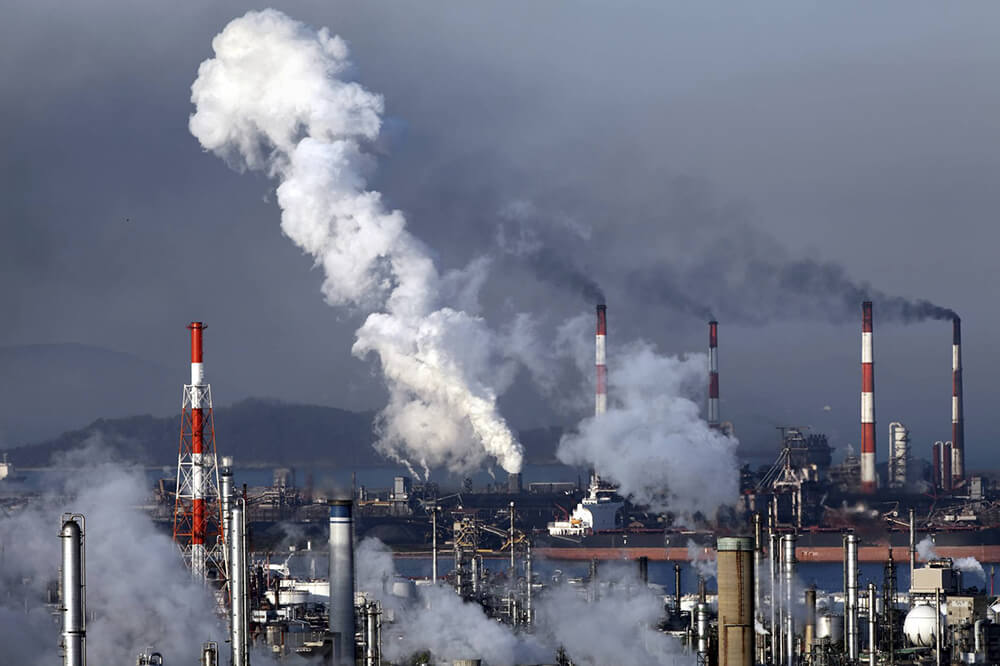
Environmental Impacts of Extraction
The process of extracting fossil fuels leaves significant scars on the environment. Oil drilling, coal mining, and using fracking techniques to extract natural gas pollute groundwater, degrade land, and reduce biodiversity.
Incidents such as oil spills can devastate marine ecosystems for many years, while coal mining destroys forests and pollutes rivers. These impacts not only threaten nature but also directly affect the lives of communities dependent on land and water for survival, especially in less developed regions.
Social and Economic Consequences
Reliance on fossil fuels creates economic and political instability. Many countries have to import oil or gas from unstable regions, leading to the risk of supply disruption and unpredictable price fluctuations.
This has become particularly evident in recent years when energy crises shook global markets. Moreover, communities affected by pollution or climate change—often the poor or vulnerable groups—bear the brunt of the consequences, from losing homes to deteriorating health, creating deep social inequalities.
Consumption Trends and Challenges in 2025
Despite global efforts to transition to renewable energy, fossil fuels will still dominate the global energy structure by 2025. Major countries such as China and the United States continue to lead in consumption, pushing emissions higher than ever. The demand for natural gas is expected to increase significantly in the future, indicating the difficulty of abandoning this energy source, especially in developing countries where clean energy infrastructure has not been adequately invested. This presents a major challenge: how to balance energy demand with the responsibility of protecting the planet.
The issues related to fossil fuels in 2025 are not only environmental but also health, social justice, and economic concerns. With consumption still on the rise, the world faces a critical crossroads: continue to rely on harmful energy sources or accelerate the transition to more sustainable solutions. Now is the time for strong collaboration between nations, businesses, and communities to minimize impacts and build a future less dependent on fossil fuels.
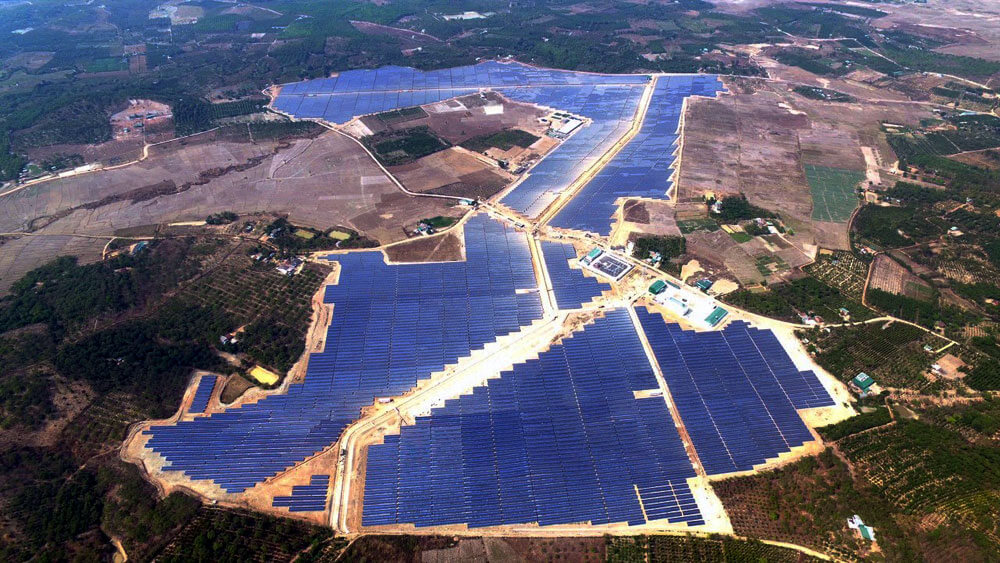
Can Solar Energy Replace Fossil Fuels?
Solar energy is currently one of the most important renewable energy sources to address climate change and reduce harmful emissions. With the ability to harness sunlight, it offers great hope for reducing dependence on fossil fuels such as coal, oil, or natural gas. However, whether it can completely replace these energy sources is a long, challenging story that requires perspectives from various angles.
The total energy consumption from fossil fuels is enormous, equivalent to tens of trillions of hours of electricity per year when considering usage efficiency. Meanwhile, solar energy, primarily through photovoltaic panels, is growing rapidly. By the end of 2023, global installed capacity had exceeded 1,600 GW, sufficient to produce a significant amount of electricity but still accounting for only a small portion of actual demand.
To visualize the replacement potential, let’s do a little calculation. If we focus only on the electricity that fossil fuels currently supply, about 8,500 GW of solar power capacity would be needed, as each GW only operates efficiently about 20% of the time due to daylight dependency. This figure is more than five times the current capacity, requiring enormous investment in capital, installation space, and technology. And that’s just electricity. What about transportation, such as trucks or airplanes, and heating needs in winter? To fully replace fossil fuels, all these sectors would need to be electrified – a complex and long-term task.
The biggest challenge of solar energy lies in its intermittency. The sun does not shine 24/7, and on rainy days or during winter in less sunny regions, electricity output drops significantly.
To address this, energy storage systems are needed, but currently, batteries can only last for a few hours, unable to meet demand during prolonged periods without sunlight. Moreover, each region of the world has different conditions. Areas near the equator can make good use of sunlight, but farther north or south, it becomes more difficult, forcing reliance on long-distance grid transmission or supplementary sources.
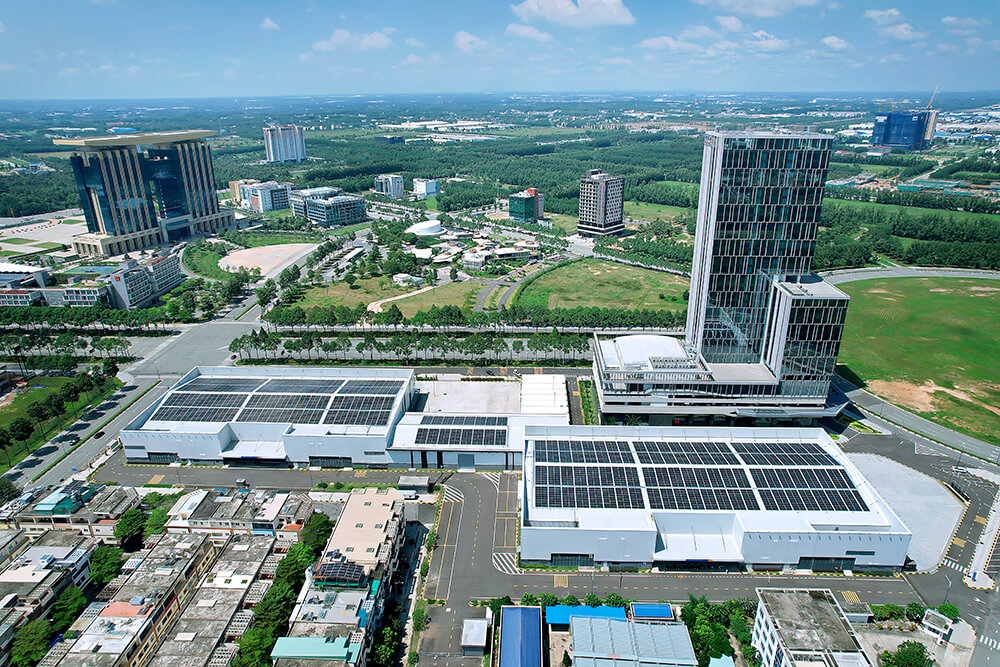
Nevertheless, solar energy is not useless. It can play a significant role in gradually reducing dependence on fossil fuels, especially when combined with other renewable sources such as wind or hydropower.
The cost of installing solar panels has significantly decreased in recent years, making it a more economical choice than building new coal plants in many places. Furthermore, the amount of energy the sun provides to Earth each day far exceeds human demand – the problem is simply how to efficiently capture and store it. If battery technology improves, or if solutions like green hydrogen are further developed, solar energy will shine even brighter in the future energy landscape.
Interestingly, only a tiny portion of the planet’s land area – about 0.3% – would theoretically be enough to install solar panels to meet global energy demand. However, reality is not that simple.
Implementation requires consideration of costs, environmental impact, and cooperation between countries. Currently, some nations have made significant progress, with renewable energy accounting for a growing share of their power systems, but they still need to maintain a diverse supply to avoid disruptions.
Conclusion
Solar energy is a powerful tool to reduce dependence on fossil fuels, but it cannot stand alone as a complete replacement. Instead, it should be viewed as part of a larger strategy, combined with other renewable sources and technological advancements. The road ahead is long, but with current development rates, solar energy will undoubtedly play an increasingly important role in building a cleaner future.


 Xem thêm








