


The O&M (Operation and Maintenance) process is a system of steps designed to maintain sustainable conversion efficiency for solar power systems. This is not just a series of tasks implemented according to a standard, but also the foundation for the system or solar power project to maintain and enhance its position.
Applying a standard O&M process ensures that the operations and maintenance activities of the solar power system are smooth, while optimizing the system’s performance and reliability. It not only attracts potential customers but also contributes to revenue growth for the business.
Start today to maintain and enhance the performance of your O&M system, bringing stability and sustainability to the environment to create the most optimal economic efficiency!
What exactly does the O&M process entail?
The O&M process shared by VREnergy has been successfully applied in numerous solar power projects, verified across various projects of different scales. This success is not only applicable to EPC solar power projects but also to online projects such as households and businesses.
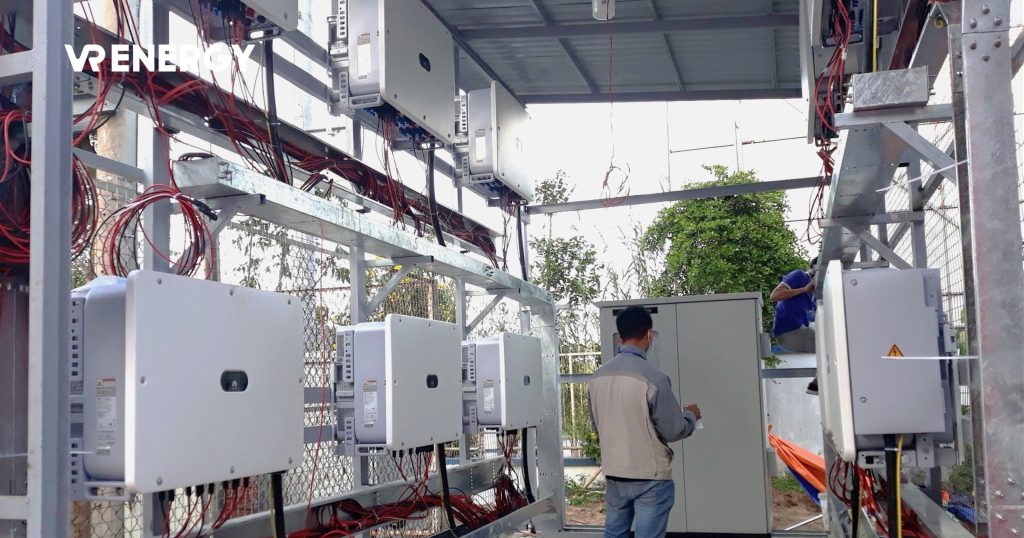
VREnergy assures that our O&M process can be systematically learned and applied, from the project initiation phase to the handover to the project investors. You can trust in a process that has been tested and has yielded positive results.
- Monitoring and tracking the system
- Maintaining the system
- Making forecasts
- Planning and implementing preventive actions
- Cleaning solar panels
Let’s start delving into the details!
Monitoring and Tracking the System
Monitoring and tracking the system is a crucial activity in the O&M (Operation and Maintenance) process for solar power systems. This activity helps monitor the system’s performance, detect potential issues early, and implement timely corrective measures.
Parameters to be Monitored and Tracked
In the operation of solar power systems, monitoring and tracking key parameters play an important role in ensuring the system’s performance and stability. Each parameter provides specific and important information about the system’s condition and operation.
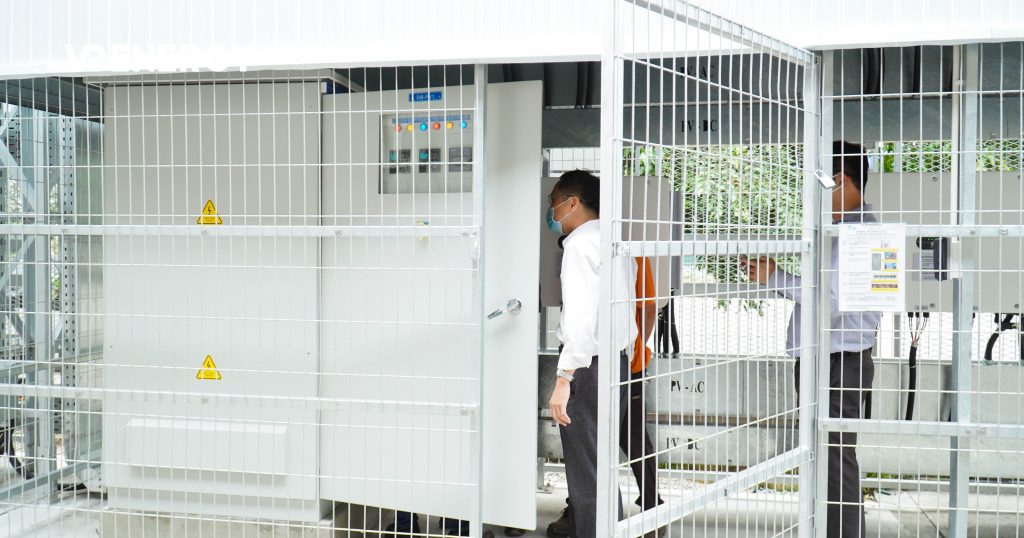
Electricity output, one of the most basic parameters, indicates the amount of electrical energy generated by the system. This not only provides an overview of performance but also helps in forecasting and managing electricity output over time. System efficiency is another crucial parameter, offering insights into the system’s effective operation, measuring the utilization of solar energy.
The temperature of the solar panels also plays a significant role, as high temperatures can affect their efficiency. The voltage and current of the solar panels are important indicators to monitor for technical issues, signaling the need for troubleshooting or adjustments.
Finally, monitoring the status of devices in the system, such as inverters and MPPT (Maximum Power Point Tracking) trackers, ensures they are functioning normally. This not only helps prevent issues but also ensures the performance and reliability of the solar power system. Overall, monitoring these parameters is not just a preventative measure but also a way to optimize performance and maintain system stability.
Methods of Monitoring and Tracking
There are two main methods for monitoring and tracking solar power systems:
- On-site monitoring: This method uses measuring devices installed at the system to collect data.
- Remote monitoring: This method uses measuring devices connected to the internet to collect data.
Thus, monitoring and tracking the system is an important activity in the O&M process for solar power systems. System owners need to perform this activity regularly to ensure the system operates efficiently and safely.
System Maintenance
System maintenance is a crucial activity in the O&M (Operation and Maintenance) process for solar power systems. This activity ensures that the equipment in the system operates normally, helping to extend the system’s lifespan and reduce maintenance and replacement costs.

There are two main types of system maintenance:
- Scheduled maintenance: This is carried out according to a fixed schedule, usually monthly, quarterly, or annually.
- Unscheduled maintenance: This is performed when the system encounters issues or when there is a need to replace damaged equipment.
Maintenance tasks in a solar power system include:
- Cleaning solar panels: Cleaning the solar panels helps remove dirt, leaves, and other obstructions, allowing the panels to absorb light better and increase electricity output.
- Checking electrical connections: Checking the electrical connections ensures that the equipment in the system is securely and safely connected.
- Inspecting the lightning protection system: Inspecting the lightning protection system ensures the system is safely protected against lightning strikes.
- Checking other equipment: Inspecting other equipment in the system, such as inverters, MPPT (Maximum Power Point Tracking) trackers, etc., to ensure they are functioning normally.
After completing the maintenance tasks in the solar power system maintenance steps, the next step is to make forecasts for the upcoming maintenance period to keep the investors informed.
Making Forecasts
This activity of making forecasts helps system owners understand the future electricity production situation, allowing them to plan appropriate operation and maintenance strategies.
And we have two main types of forecasts:
- Electricity production forecast: This forecast helps system owners understand the amount of electrical energy the system will generate in the future.
- System condition forecast: This forecast helps system owners understand the future condition of the system, allowing them to take timely preventive measures.
There are various forecasting methods, including:
- Historical data-based method: This method uses past electricity production data to forecast future electricity output.
- Mathematical model-based method: This method uses mathematical models to forecast electricity production.
- Artificial intelligence-based method: This method uses artificial intelligence algorithms to forecast electricity production.
Planning and Implementing Risk Prevention Actions
Planning and implementing risk prevention actions is a crucial activity in the O&M (Operation and Maintenance) process for solar power systems. This activity helps system owners identify and eliminate potential causes of issues, ensuring stable and safe operation of the system.

Potential Causes of Issues in Solar Power Systems
There are several potential causes of issues in solar power systems, including:
- Natural phenomena: Natural events like lightning strikes, hail, storms, etc., can damage equipment in the system.
- Weather conditions: Harsh weather conditions such as extreme heat, heavy rain, etc., can affect the system’s performance.
- Technical issues: Technical problems such as equipment failure, connection errors, etc., can cause system issues.
- Improper use: Incorrect usage of the system can lead to equipment damage and reduced system performance.
Preventive Actions
Preventive actions can be taken to eliminate or minimize the potential causes of issues in solar power systems, including:
- Appropriate system design: Designing the system to suit environmental conditions and usage needs can help minimize the risk of issues.
- Using high-quality materials and equipment: Using high-quality materials and equipment can increase the lifespan and durability of the system.
- Performing regular maintenance: Regular maintenance can help detect and address potential problems, reducing the risk of issues.
- Regular system checks: Regularly checking the system can help detect and address emerging problems, reducing the risk of issues.
- Education and training: Educating and training system users on the correct usage can help minimize the risk of issues due to improper use.
Planning and Implementing Incident Prevention Actions
To effectively plan and implement incident prevention actions, system owners need to take the following steps:
- Identify potential causes of incidents: System owners need to identify potential causes of system issues based on factors such as system design, materials and equipment used, environmental conditions, and the way the system is used.
- Assess the level of risk: System owners need to evaluate the level of risk for each potential cause to determine which ones should be prioritized for addressing.
- Plan preventive measures: System owners need to develop a prevention plan for each potential cause, including preventive measures and the timeline for implementation.
- Execute the prevention plan: System owners need to seriously and effectively execute the prevention plan.

Some Considerations When Planning and Implementing Preventive Actions
- The prevention plan should be comprehensive, covering both internal and external potential causes within the system.
- The prevention plan should be regularly updated to align with the actual situation.
- Close coordination between relevant departments is essential during the implementation of the prevention plan.
In summary, planning and implementing preventive actions is a crucial activity in the O&M (Operation and Maintenance) process for solar power systems. This activity helps system owners identify and eliminate potential causes of issues, ensuring stable and safe operation of the system.
Cleaning Solar Panels
Cleaning solar panels is an important activity in the O&M process for solar power systems. Cleaning the solar panels helps remove dirt, leaves, and other obstructions, allowing the panels to absorb light better and increase electricity output.
Why Optimize the O&M Process? 4 Criteria for Effective Evaluation
In the O&M (Operation and Maintenance) process of solar power systems, evaluating effectiveness plays a crucial role in ensuring optimal and sustainable performance of the system. The evaluation criteria set to measure and assess key aspects of this process include:
- Electricity output
- System lifespan
- Operational costs
- Safety
One of the most important criteria is ensuring system performance, through measuring the ability to utilize solar energy and maximizing electricity output. Reducing downtime is also a critical criterion, ensuring the system’s continuous operation and preventing loss of output.
Quick and effective adjustments are also evaluated to ensure flexible response to incidents, minimizing impact on output. Efficient operational costs are another criterion, helping control expenses and optimize profits.
Assessing safety and regulatory compliance is crucial to ensure a safe working environment and adherence to legal requirements. All these criteria contribute to the goal of optimizing the O&M process, helping the solar power system maintain stable and sustainable performance.
The need for optimizing this process is also addressed. Optimization not only brings the best performance to the system but also helps reduce operational costs and enhance profitability.
Process Analysis & Objectives, Requirements of the Operation Process
Analyzing the current process is the first step in optimizing the O&M (Operation and Maintenance) process. This step helps identify the strengths, weaknesses, opportunities, and challenges of the current process.
Activities to be carried out in this step include:
- Understanding the current process: Gather information about the current process, including activities, responsibilities, resources, etc.
- Analyzing the current process: Analyze the activities in the current process, identifying strengths, weaknesses, opportunities, and challenges.
- Making recommendations: Provide recommendations to improve the current process.
Clearly defining the objectives and requirements of the O&M process is an important step to ensure the process is optimized in line with the needs of the system owner.
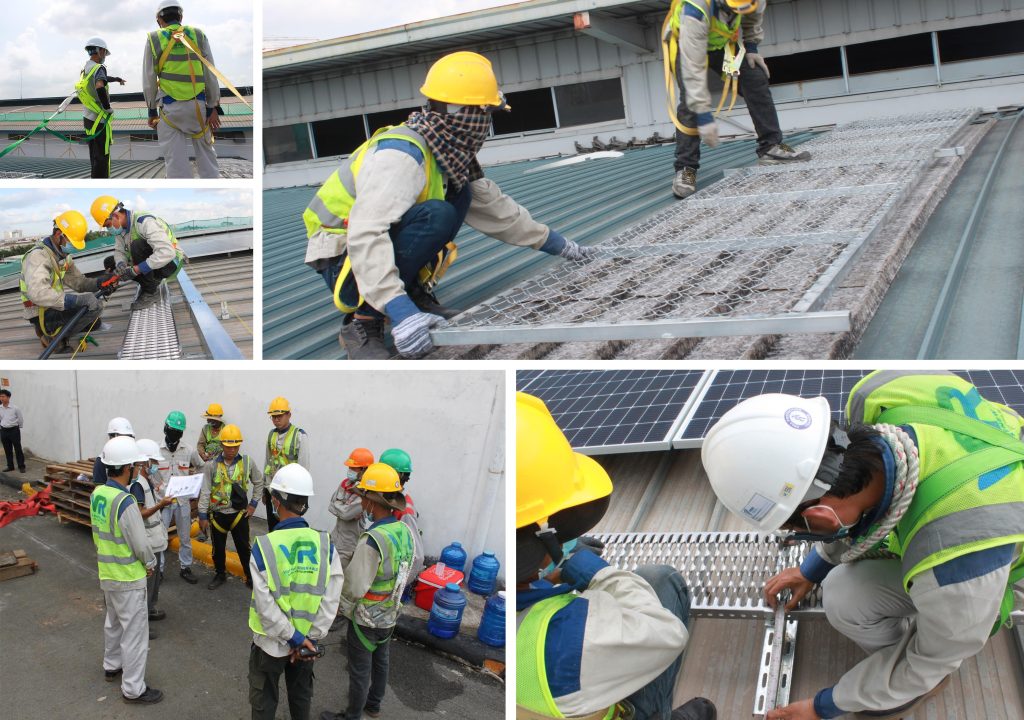
The objectives and requirements of the O&M process may include:
- Increasing electricity output: The O&M process should be designed to help the solar power system generate more electrical energy.
- Extending the system’s lifespan: The O&M process should be designed to help prolong the lifespan of the solar power system.
- Reducing operational costs: The O&M process should be designed to help reduce the operational costs of the solar power system.
- Enhancing safety: The O&M process should be designed to ensure the safe operation of the solar power system.
The objectives and requirements of the O&M process need to be clearly defined, specific, and measurable.
After analyzing the current process and clearly defining the objectives and requirements of the O&M process, system owners can proceed with the next steps to optimize the process, including:
- Designing a new process: Design a new process based on the results of the current process analysis and the identified objectives and requirements.
- Implementing the new process: Implement the new process and evaluate its effectiveness.
- Continuously improving the process: Continue to improve the process based on the results of effectiveness evaluation.
Establishing an Optimal O&M Operation Process Plan
Establishing an optimal plan for the O&M (Operation and Maintenance) operation process is a crucial step to ensure that the process of optimizing the O&M operation is carried out effectively and on schedule.
When creating the plan, system owners need to clearly identify the tasks that require optimization, develop a suitable schedule and task allocation, while considering issues related to the plan’s executability, flexibility, and feasibility.
Identifying Tasks for Optimization
The first step in the process of establishing an optimal O&M operation plan is to identify the tasks that need optimization. These tasks may include:
- Operational activities: Operational activities include tasks such as system monitoring, system maintenance, etc.
- Operational procedures: Operational procedures include processes, regulations, guidelines, etc., related to system operation.
- Operational infrastructure: Operational infrastructure includes equipment, materials, etc., used for system operation.
To identify tasks for optimization, system owners need to carry out the following activities:
- Learn about the current operation process: Gather information about the current operation process, including activities, responsibilities, resources, etc.
- Analyze the current operation process: Analyze the activities in the current operation process, identifying strengths, weaknesses, opportunities, and challenges.
- Evaluate the effectiveness of the current operation process: Assess the effectiveness of the current operation process based on the identified criteria.
Developing a Schedule and Assigning Tasks
After identifying the tasks that need optimization, system owners need to develop a schedule and assign tasks for each activity. Creating a schedule and assigning tasks ensures that the process of optimizing the O&M (Operation and Maintenance) operation is carried out effectively and on schedule.
When developing a schedule and assigning tasks, system owners should consider the following factors:
- Timeframe for completion: The timeframe for each task should be determined based on the nature and complexity of the task.
- Required resources: The necessary resources for each task should be identified to ensure there are sufficient resources to carry out the task.
- Responsibilities of individuals/organizations: The responsibilities of each individual or organization should be clearly defined to ensure tasks are completed on schedule and to the required standard.
Implementing Optimal O&M Operation Process
To achieve an optimal O&M (Operation and Maintenance) operation process, it is crucial to train and enhance the capabilities of staff, and the use of technology and support tools are key factors in optimizing the O&M operation process.
Training and Enhancing Staff Capabilities
Training and enhancing the capabilities of staff is one of the important factors in optimizing the O&M operation process. Operational staff need to be trained and have their capabilities enhanced in necessary knowledge and skills for efficiently operating the solar power system, including:
- Knowledge of solar power technology: Operational staff need to be trained in basic knowledge of solar power technology, including the operating principles, structure, features, etc., of solar power equipment.
- Skills in operating the solar power system: Operational staff need to be trained in skills related to operating the solar power system, including processes, procedures, etc., related to system operation.
- Skills in troubleshooting: Operational staff need to be trained in troubleshooting skills, including identifying causes, recognizing, and resolving common issues in the solar power system.
Using Technology and Support Tools
Using technology and support tools is an effective solution to optimize the O&M operation process. Technology and support tools can help automate operational tasks, minimize errors, and enhance operational efficiency.
Some technologies and support tools that can be used to optimize the O&M operation process include:
- Remote monitoring and control systems: Remote monitoring and control systems allow system owners to continuously monitor the performance of the system, thereby timely detecting and addressing potential issues.
- Operational management software: Operational management software helps system owners efficiently manage operational activities, including system status monitoring, maintenance planning, etc.
- Automation devices: Automation devices help perform operational tasks automatically, minimizing errors and enhancing operational efficiency.
Monitoring and Evaluating the O&M Optimization Process
After implementing the O&M (Operation and Maintenance) optimization solutions, system owners need to monitor the operation process post-optimization to ensure that it functions effectively and achieves the set goals.
Monitoring activities to be carried out include:
- Monitoring operational data: Track the operational data of the system, including electricity output, system efficiency, etc., to evaluate the effectiveness of the operation process.
- Monitoring operational activities: Observe the operational activities of the system, including maintenance, repairs, etc., to ensure the operation process is carried out efficiently.
- Monitoring emerging issues: Keep track of any issues that arise during the operation of the system to address them promptly.
After a period of monitoring the operation process post-optimization, system owners need to evaluate the results of the optimization process to determine the effectiveness of the implemented solutions.
Evaluation content includes:
- Comparing the effectiveness of the operation process before and after optimization: Compare the operational data of the system before and after optimization to assess the effectiveness of the implemented solutions.
- Evaluating user satisfaction: Assess the satisfaction level of users regarding the operation process after optimization.
Characteristics and Challenges in Solar PV O&M Management
Operation and Maintenance (O&M) management is a crucial activity for all electrical systems, including solar PV (Photovoltaic) systems. However, solar PV O&M has specific characteristics and challenges, including:
Characteristics:
- Solar PV systems are often installed in remote, inaccessible, and isolated areas.
- Solar PV systems typically have complex structures, comprising various electronic and mechanical components.
- Solar PV systems operate based on natural factors such as sunlight and climate.
Challenges:
- Difficulty in monitoring and supervising the system’s operations.
- Challenges in detecting and resolving faults or issues.
- High maintenance and repair costs.
Steps to Maintain Effective Sustainable Transformation
Continuously improving and fostering innovation will make the sustainable transformation process more effective and resilient.
Regularly Inspect and Evaluate Processes
Sustainable transformation is a long-term and complex process that requires the efforts of various stakeholders. To maintain the effectiveness of sustainable transformation, it is necessary to periodically inspect and evaluate the transformation process. Inspection and evaluation help identify strengths, weaknesses, opportunities, and challenges in the transformation process, allowing for necessary adjustments to ensure that the transformation process achieves its goals.
The content to be inspected and evaluated includes:
- Objectives and targets of sustainable transformation: Objectives and targets of sustainable transformation need to be assessed to ensure that the transformation process is heading in the right direction and achieving the set goals.
- Activities of sustainable transformation: The activities of sustainable transformation should be assessed to ensure that they are being carried out effectively and achieving the established goals.
- Resources for sustainable transformation: Resources for sustainable transformation should be assessed to ensure that they are being used efficiently and meeting the needs of the transformation process.
Continuously Improve and Promote Innovation

Sustainable transformation is an ongoing process of learning and innovation. To maintain the effectiveness of sustainable transformation, it is essential to continuously improve and promote innovation in transformation activities.
Improvement and innovation can be achieved through the following activities:
- Seeking new solutions: Search for new solutions to address emerging issues in the transformation process.
- Adopting new technologies: Apply new technologies to enhance the efficiency of transformation activities.
- Focus on specific target groups: Concentrate on specific target groups that play a crucial role in the transformation process, such as businesses, citizens, non-governmental organizations, etc.
Continuous improvement and fostering innovation will make the sustainable transformation process more effective and resilient.
Conclusion
Regarding the optimization of O&M processes for solar power systems, we recognize the significance of maintaining effective sustainable transformations. This process is not just a series of technical steps and methods but also a comprehensive strategy that combines technology, personnel, and smart management.
Throughout the analysis and optimization process, we have encountered unique characteristics and challenges in renewable energy O&M management, such as the variability of energy sources and the diversity of equipment.
The benefits of maintaining effective sustainable transformations in the renewable energy sector are substantial. It not only helps optimize output and reduce operational costs but also ensures the safety of personnel and compliance with legal regulations. System stability, along with the ability to flexibly respond to incidents, creates an efficient and sustainable working environment.
In summary, optimizing O&M processes is not merely a technical task but also a detailed strategy that requires collaborative effort and multidisciplinary knowledge. Innovation and effective transformations not only aim to enhance performance but also represent a journey towards a future of clean and sustainable energy.


 Xem thêm








