


Solar energy is no longer just a trend—it has become an essential solution for 7 important areas of life. From residential solar systems that significantly reduce living costs to agricultural drying technology for exports, solar energy technology is widely applied and delivers practical benefits. This article provides a comprehensive overview of real-world applications and guidance on choosing the right solution for specific needs.
Solar Energy Applications in Daily Life
Residential Solar Power Systems
Residential solar power systems are the most popular application of solar energy technology today. Systems with suitable capacity for Vietnamese household electricity consumption help significantly reduce monthly electricity costs.
Economic benefits of residential solar power systems include:
- Significant long-term electricity bill reduction
- Reasonable payback period under suitable conditions
- Increased property value through infrastructure upgrades
Standard 5-Step Installation Process
- Survey and design: Assess roof conditions, calculate suitable capacity
- Infrastructure preparation: Install mounting system and prepare wiring
- Equipment installation: Mount panels, inverter and control devices
- System connection: Connect to home grid and test operation
- Commissioning and operation: Check entire system and provide user training
Solar Water Heaters
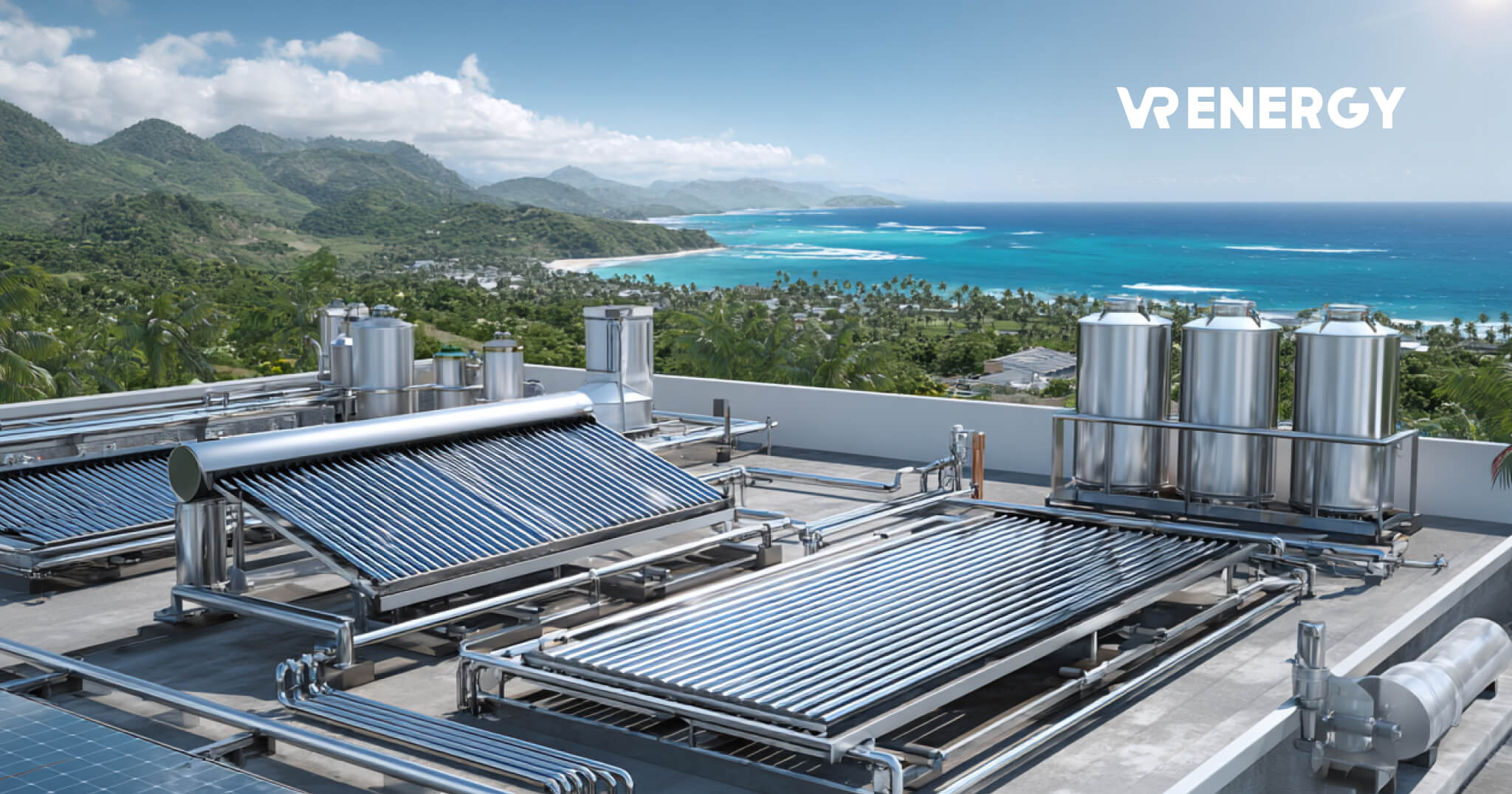
Solar water heaters are an effective energy-saving solution for domestic hot water needs. This technology is particularly suitable for Vietnam’s tropical climate with abundant solar radiation year-round.
| Water Heater Type | Efficiency | Lifespan | Suitable For |
| Vacuum tube | Higher | High | Cold climate, less sun |
| Flat plate | Average | Average | Hot climate, lots of sun |
| Electric hybrid | Stable | High | Year-round use |
Solar water heater systems can help families save significantly on electricity costs for heating water, especially during sunny months.
Solar Public Lighting
Solar-powered public lighting has become a popular solution for public areas from parks and streets to rural areas. LED technology with integrated sensors optimizes lighting efficiency.
Advantages of solar lighting systems:
- Complete independence: No grid connection needed
- Low operating costs: No electricity charges
- Flexible installation: Suitable for various terrains
- Environmentally friendly: No greenhouse gas emissions
Many localities in Vietnam have successfully implemented solar lighting projects, bringing positive economic and environmental benefits.
Solar-Powered Home Appliances
Solar-powered home appliances are increasingly diverse, from fans and TVs to mini fridges. These devices are especially suitable for off-grid areas or energy-saving needs.
Choosing Appliances with Suitable Capacity
When selecting solar-powered home appliances, consider:
- Power consumption: Must match system supply capacity
- Usage time: Calculate required battery storage capacity
- Product quality: Prioritize reputable brands
- Warranty service: Ensure long-term technical support
Solar Energy Applications in Production
Smart Agriculture
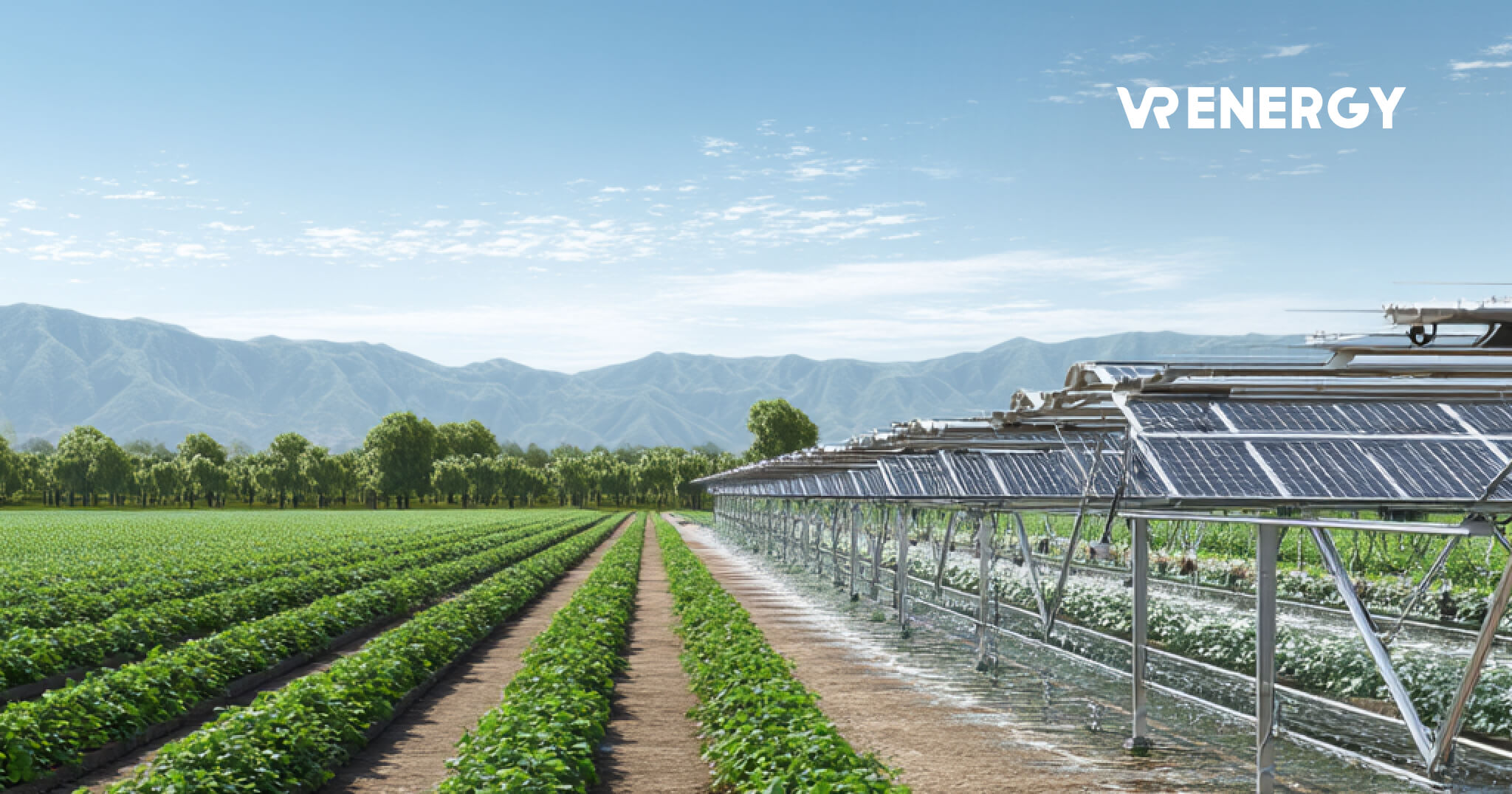
Solar energy is revolutionizing agriculture through advanced applications like automated irrigation systems and agricultural drying technology.
Automated Irrigation Systems
Solar-powered automated irrigation systems help farmers optimize water supply to crops. Solar pumps can operate stably even in off-grid areas.
Benefits of solar irrigation systems:
- Reduced operating costs: No electricity charges
- Automatic operation: Less work for farmers
- Suitable for remote areas: No grid connection needed
- Environmental protection: Uses clean energy
Agricultural Drying
Solar agricultural drying technology helps farmers preserve products effectively, especially important for export products like coffee, cashews, and dried fruits.
Solar drying systems combined with heat pump technology can:
- Reduce drying time compared to traditional methods
- Ensure uniform product quality
- Reduce losses and increase product value
- Meet international export requirements
Industrial Production
In industry, solar energy is widely applied from manufacturing plants to industrial zones. Large enterprises are investing in large-scale solar power systems to reduce production costs and fulfill environmental commitments.
Benefits of solar energy in industrial production:
- Reduced electricity costs: Especially important for high-electricity industries
- Supply stability: Reduced dependence on the grid
- Improved brand image: Shows environmental responsibility
- Regulatory compliance: Meets international environmental standards
CSP (Concentrated Solar Power) technology is applied in heavy industries like metallurgy and chemicals, where high temperatures are needed for production processes.
Transportation
The transportation sector is witnessing strong development of solar-powered vehicles and infrastructure. From solar buses to EV charging stations with integrated solar panels.
Typical applications in transportation:
- Solar buses: Reduce emissions and operating costs
- EV charging stations: Combine solar energy and storage
- Traffic signs: Use LED and solar panels
- Traffic monitoring systems: Cameras and wireless devices
New Technologies & 2025 Trends
Revolutionary Materials
The solar industry is witnessing breakthroughs in materials and technology. Perovskite solar cells are expected to deliver significantly higher energy conversion efficiency than traditional silicon technology.
Notable advances:
- Perovskite cells: Potential for high laboratory efficiency
- Tandem cells: Combine multiple material layers to increase efficiency
- Solar glass: Applications in construction and architecture
- Flexible cells: Suitable for many special applications
Solar glass is being developed for integration into buildings, ensuring aesthetics while generating electricity. This technology has great potential in green construction.
IoT & AI Integration
IoT (Internet of Things) and AI (Artificial Intelligence) technologies are being integrated into solar energy systems to optimize performance and reduce operating costs.
Smart features include:
- Remote monitoring: Track performance via smartphone
- Production forecasting: Use AI for weather prediction
- Predictive maintenance: Early detection of potential problems
- Automatic optimization: Adjust system to actual conditions
Smart monitoring systems help users track and control solar energy systems remotely, ensuring optimal operation and early problem detection.
Guidance on Choosing the Right Solution

Assessing Usage Needs
Choosing the right solar energy solution must start with accurately assessing usage needs. Factors to consider include electricity consumption, usage time, and installation conditions.
| Assessment Factor | Households | Businesses | Agriculture |
| Suitable capacity | Small scale | Large scale | Medium scale |
| Usage time | Mainly evenings | Office hours | By season |
| Storage requirement | May not be needed | Necessary | Very important |
| Priority | Cost savings | Production stability | Grid independence |
Geographic and climate factors also significantly affect system efficiency. Areas with lots of sun will have higher efficiency, while cloudy regions need more careful calculation of battery storage capacity.
Budget & Support Policies
Financial planning for solar projects should consider support policies from government and financial institutions. There are many preferential loan programs and technical support for renewable energy projects.
Financial support sources:
- FIT policy: Preferential electricity selling prices
- Bank loans: Favorable green energy loan packages
- International support: Programs from WB, ADB
- Tax incentives: Tax exemption and reduction policies
When planning investment, calculate total costs including equipment, installation, operation and maintenance throughout the system’s lifecycle.
Optimizing Solar Energy Investment Efficiency
After understanding the 7 main applications of solar energy, choosing the right solution will determine investment efficiency and long-term benefits. Each application has specific characteristics regarding technology, scale and usage objectives.
To ensure solar project success, the most important thing is professional consultation from experienced providers. They will help accurately assess needs, design optimal systems and support throughout the implementation process.
Solar energy is not just a future trend but has become a practical solution for today. With continuous technology development and policy support, this is the right time to invest in clean energy, bringing both economic benefits and contributing to environmental protection.


 Xem thêm








