


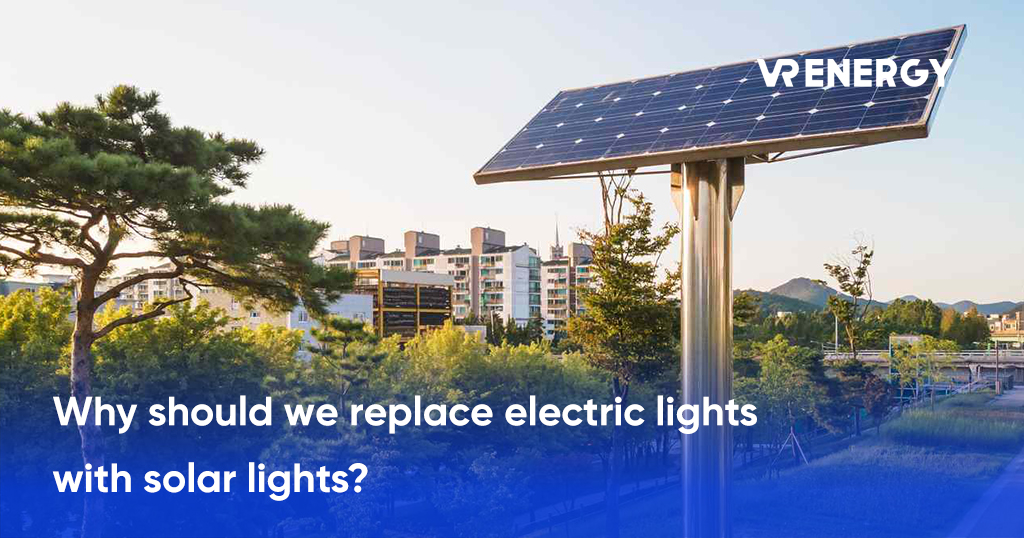
Every month, rising electricity bills are a constant worry for many families, especially when lighting needs cannot be reduced. Meanwhile, natural resources are becoming increasingly scarce, and climate change is happening rapidly. This is the time when we need a more sustainable solution – solar lights. So why are these lights recommended as a replacement for traditional electric lights? Let’s find out!
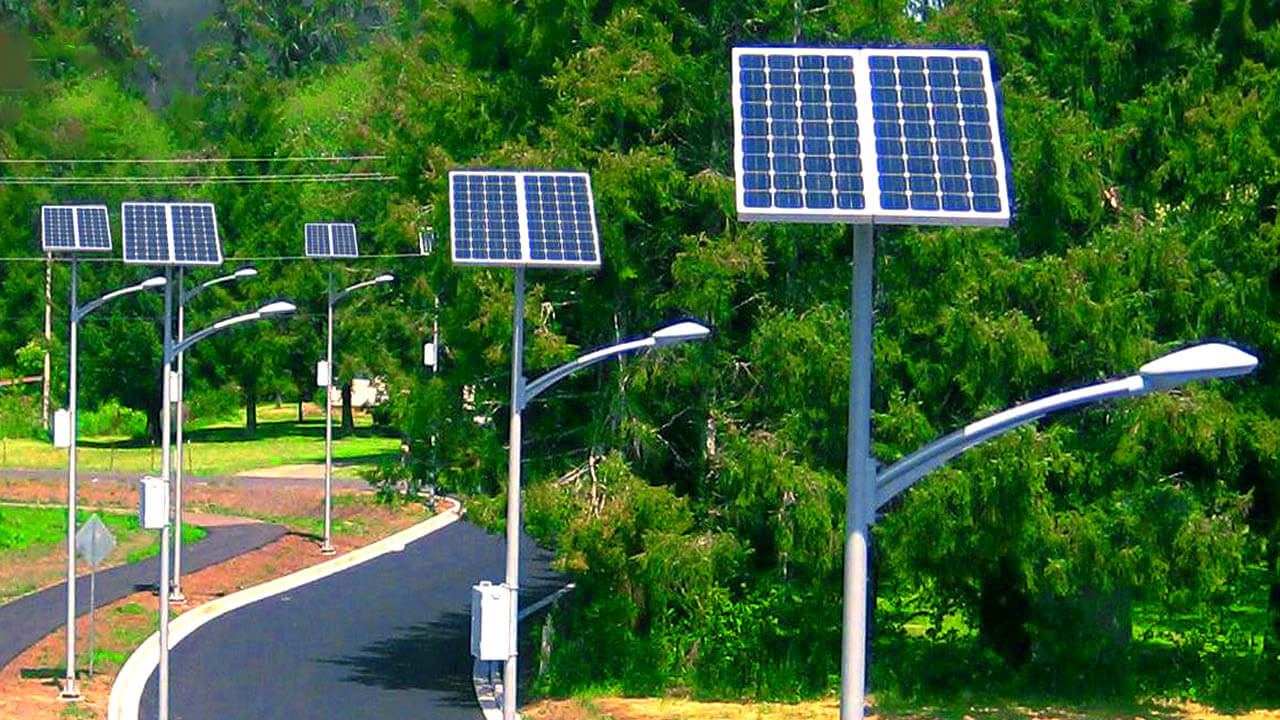
Structure and Operating Principle of Solar Lights
Solar lights consist of four essential components: solar panels, storage batteries, LED lights, and a control system. Each component plays a specific role, helping the lights operate efficiently and durably.
- The solar panel is the core component, responsible for absorbing light and converting it into electricity. These panels are usually made of monocrystalline silicon, consisting of multiple layers such as protective glass, encapsulation film, photovoltaic cells, back sheet, and a sturdy aluminum frame. Thanks to the photovoltaic effect, when sunlight hits, electrons in the photovoltaic cells are excited and generate direct current (DC). A single photovoltaic cell can produce about 0.45V, while the total output power depends on the panel size and light intensity.
- The storage battery supplies power to the light at night. Common battery types include lithium-ion (high energy density, long lifespan), nickel-metal hydride (NiMH), and lead-acid batteries. Due to the energy conversion efficiency from sunlight being only about 23%, the rest is lost as heat or reflection, so the battery needs good storage capacity to ensure the light can work for multiple nights even in cloudy weather.
- LED lights are chosen for their high lighting efficiency and durability, lasting up to 50,000 hours of use. LED technology significantly saves energy, consuming only about 10% of the power compared to incandescent bulbs while still providing strong, even illumination.
- The control system acts as the center, managing battery charging and light operation. This component includes light sensors, a charge controller, and sometimes motion sensors. When it gets dark, the light sensor will activate the LED lights, and when it gets bright, the system will automatically turn off the lights to start a new charging cycle. Some high-end versions also integrate temperature compensation, lightning protection, and prevention of overcharging or discharging, ensuring battery life even in harsh weather conditions.
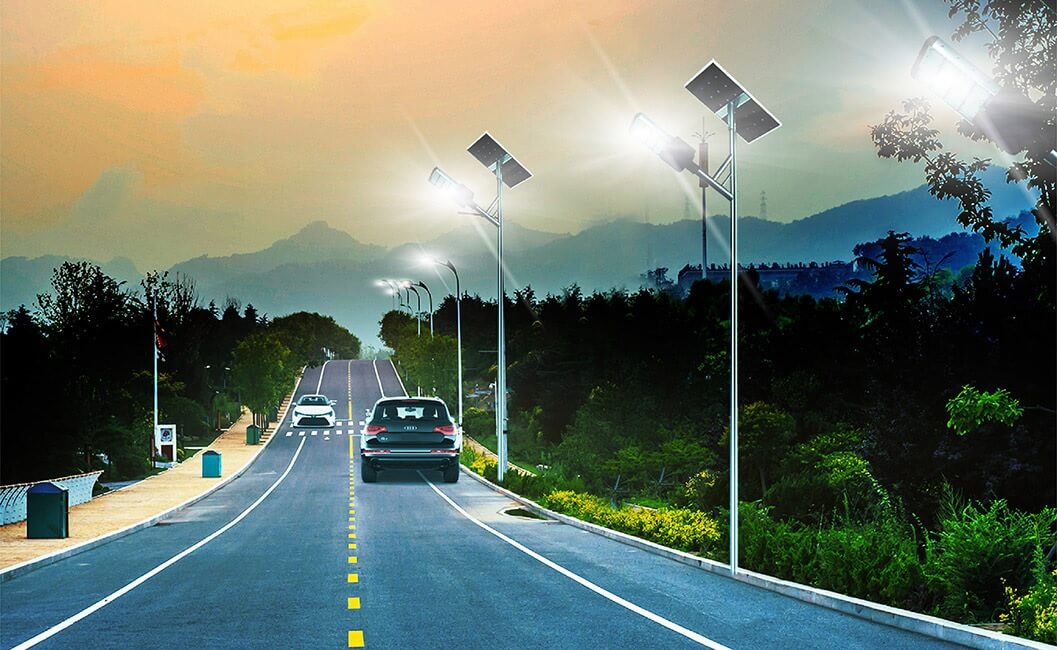
Operating Process
Solar lights operate through a closed cycle, repeating daily with two main stages:
Daytime – Absorption and Energy Storage
When the sun rises, the photovoltaic panel collects light and converts it into DC power. This power is directed through the charge controller before being stored in the battery, preventing overvoltage or short circuits and ensuring stable and safe system operation.
Nighttime – Automatic Lighting
When the ambient light drops below a certain level, the sensor will activate the LED light, using the stored power to illuminate. The light will maintain brightness throughout the night until daylight returns. This cycle is completely automatic, requiring no human intervention. To achieve optimal performance, the lights should be installed in open areas, avoiding shade from trees or obstacles.
Can Solar Lights Fully Replace Electric Lights?
In recent years, solar lights have become increasingly popular due to their ability to effectively replace traditional electric lights. Instead of relying on the grid, these lights utilize sunlight, converting it into electricity through photovoltaic panels and storing it in batteries for use when needed. This not only saves costs but also offers significant environmental benefits.
Outstanding Advantages
Reducing Electricity Costs
Since they operate entirely on solar energy, solar lights do not consume grid electricity, significantly reducing electricity bills. This is an ideal solution for areas with high electricity costs or places without a stable power supply.
Easy Installation, Safe to Use
No need for complex wiring, the lights can be installed anywhere with sunlight, from gardens and streets to remote areas. As a result, the risk of electric leakage or fire hazards is greatly reduced.
Long Lifespan, Low Maintenance
Integrated LED lights can last up to 15 years, photovoltaic panels are durable for over 25 years, and Lithium LiFePO4 storage batteries typically last from 5 to 8 years. These components are easily replaceable, helping reduce repair costs in the long run.
Environmentally Friendly
Using clean energy helps reduce CO₂ emissions, minimizing negative impacts on the climate and aligning with the current trend of sustainable development.
Smart and Flexible Operation
Some modern solar light models come equipped with automatic sensors that can adjust brightness according to the environment or switch on/off upon detecting movement, saving energy and improving lighting efficiency.
Limitations to Consider
Performance Depends on Weather
During rainy days or cloudy weather, battery charging time may decrease, affecting nighttime lighting duration.
High Initial Investment Cost
Although cost-effective in the long term, the initial purchase and installation cost of solar lights are usually higher compared to traditional electric lights.
Regular Cleaning and Maintenance Required
To ensure maximum performance, the solar panels need regular cleaning to prevent dust from reducing charging efficiency, and the storage system should be checked to avoid malfunctions.
If you are looking for a cost-saving, safe, and environmentally friendly lighting solution, solar lights are a worthwhile consideration. However, before deciding to install, consider your local weather conditions, initial budget, and maintenance capacity to ensure the most effective use.
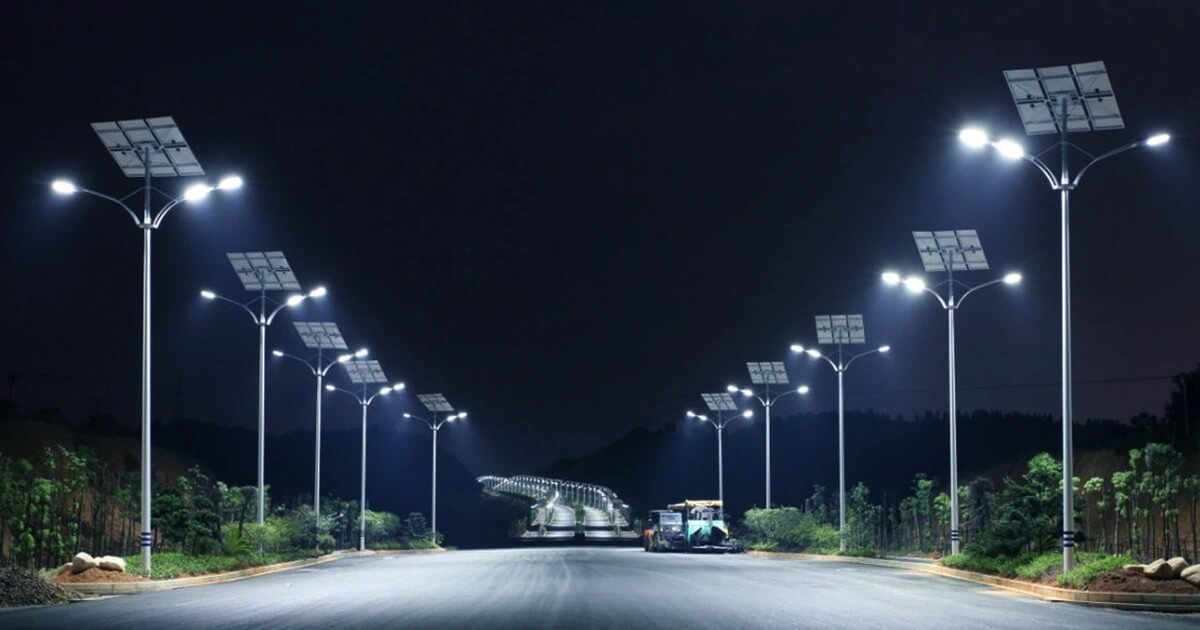
Replacing traditional electric lights with solar lights not only helps reduce electricity costs but also contributes to environmental protection and sustainable energy use. With increasingly advanced technology, today’s solar light models offer high durability, efficient lighting, and easy installation, suitable for various spaces. This is not only an economical solution but also an inevitable trend in the future, helping reduce dependence on the power grid and moving towards a greener, more economical, and sustainable lifestyle. If you are looking for a smart and eco-friendly lighting option, solar lights are definitely a solution worth considering.


 Xem thêm








