


Applying technology to monitor and manage solar power systems is an inevitable trend to help optimize performance, save costs and improve equipment durability.
Using the Solar Power Monitoring App not only helps users easily control power output but also supports timely incident detection, optimizes operations and increases economic benefits. This is also an important solution to help improve proactive energy management, ensuring stable and sustainable system operation.
Learn about Solar Power Tracking App
The solar power monitoring app is a tool that supports monitoring, analyzing and managing solar power systems effectively, helping users control power output, detect problems promptly and optimize operations to ensure the highest efficiency. Applying technology to energy management not only helps save costs but also contributes to improving equipment durability and optimizing profits from solar power.

Currently, solar power monitoring applications can be classified according to their functionality and management level. Here are some popular types of Apps:
- Real-time power output monitoring app : This type of app helps users continuously monitor power generation capacity, power consumption and surplus power. Thanks to that, owners can adjust their power usage plan appropriately to save and optimize energy sources.
- Performance analysis and fault alerting apps : These apps provide detailed reports on system performance, analyzing data to detect abnormalities such as power loss, equipment failure or weather effects. As a result, users can quickly handle problems to ensure stable system operation.
- Apps to manage and optimize electricity consumption : In addition to monitoring solar power systems, some Apps also help users control the electricity consumption of devices in their homes or businesses. These apps provide recommendations to optimize electricity usage, reduce waste and save operating costs.
- Apps integrating AI and IoT technology : These are modern applications that use artificial intelligence (AI) and the Internet of Things (IoT) to automatically adjust, analyze data and optimize the operation of solar power systems. Thanks to that, users can easily control and improve energy efficiency without manual intervention.
Each type of App has its own advantages. Depending on the usage needs and system scale, users can choose the appropriate application to achieve optimal efficiency in monitoring and managing solar power.
Part 1: Benefits of using Solar Power Tracking App
Benefit 1: Real-time monitoring of power output
Real-time monitoring of solar power output plays an important role in ensuring the system operates stably and achieves high efficiency. When using the monitoring App, users can:
- View instant power production metrics, including instantaneous power, total daily output, and overall system performance.
- Receive notifications when there are sudden changes in power output, helping to promptly detect problems that may affect system operation.
- Evaluate electricity consumption and adjust usage plans appropriately to optimize profits from solar power.

Benefit 2: Analyze system performance to optimize operations
To maximize efficiency, performance analysis is essential. Solar monitoring apps provide in-depth analysis features that help users:
- Compare system performance over time to detect performance trends and adjust as needed.
- Evaluate the efficiency of converting solar energy into electricity, helping to provide solutions to improve performance such as cleaning the panels or adjusting the tilt angle.
- Get detailed reports on electricity production by day, month and year, helping to plan optimally in the long term.
Benefit 3: Detect problems quickly, minimize losses
One of the biggest risks of solar power systems is that failures can significantly reduce performance or cause economic losses. By using the Solar Power Monitoring App, users can:
- Get alerts as soon as the system shows signs of abnormality, such as a sudden drop in power output or inverter failure.
- Quickly identify the cause of the problem based on recorded data, helping to shorten repair time and limit losses.
- Proactively maintain the system based on performance history and recommendations from the application.
Benefit 4: Manage and save operating costs
Cost management is an important factor for solar power systems, especially in businesses or households with high electricity demand. Using the tracking App helps:
- Calculate self-consumed electricity and surplus electricity sold to the grid, helping investors accurately assess profits.
- Optimize electricity usage by adjusting the operating time of large power consuming devices to the time when the system produces maximum electricity.
- Reduce maintenance costs thanks to early fault detection and data-based routine maintenance planning.
Benefit 5: Integrating AI and IoT technology improves monitoring efficiency
Artificial intelligence (AI) and Internet of Things (IoT) technologies are increasingly being integrated into solar power monitoring apps, bringing many outstanding benefits:
- Automatically analyze data and recommend performance optimization solutions.
- Learn from your electricity usage habits to adjust your energy consumption strategy more efficiently.
- Connect to smart home devices to automatically adjust your electrical system, maximizing the benefits of solar energy.
The application of the solar power monitoring App not only helps users easily control the system but also brings many economic and technical benefits, helping to optimize the process of electricity production and consumption.
Part 2: How to choose and use an effective solar power tracking app
Criteria for choosing the right App for the system
Choosing the right Solar Monitoring App plays an important role in monitoring and managing the performance of the system. To ensure that the application can fully meet the needs, users need to consider the following criteria:
- Real-time monitoring capabilities : A good App should provide real-time power output data, helping users get an accurate grasp of how well their system is performing and detect any problems that may occur.
- Analysis and reporting features : The application should be able to analyze performance, provide charts and detailed reports on power output, inverter performance, as well as system power consumption.
- Error and incident warning capabilities : Some advanced Apps will send notifications as soon as an abnormality occurs, helping users proactively handle problems and minimize losses.
- Device Compatibility : Users should check if the app supports their type of inverter, panels, and energy storage system. An optimal App should be able to connect easily to a variety of devices.
- Friendly interface, easy to use : An effective App is not only powerful in features but also easy to operate, helping users quickly get acquainted and make the most of monitoring functions.
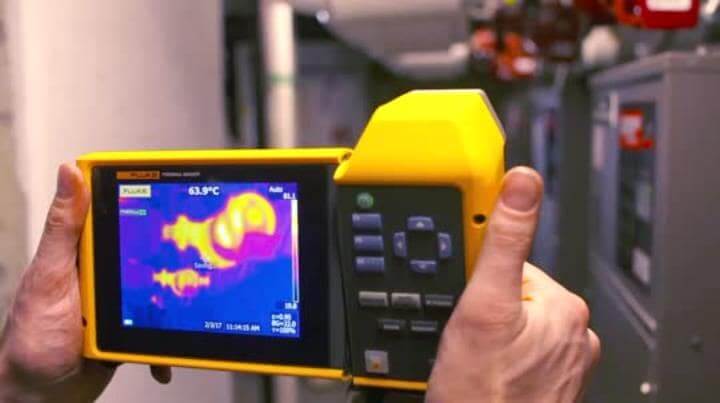
The above criteria will help users choose the most suitable application for the solar power system, ensuring highly effective management and monitoring capabilities.
Basic installation and usage instructions
After choosing the right App, users need to follow the installation and usage steps to maximize the benefits of the solar power monitoring system.
Step 1: Download and install the application
Users can search and download solar power monitoring applications from app stores such as Google Play or App Store. Some Apps require scanning the QR code on the inverter to quickly connect to the system.
Step 2: Register an account and connect to the system
After installation, users need to create a personal account and enter system information, including inverter type, number of panels and storage capacity (if any). Some Apps support connection via WiFi or Bluetooth to automatically synchronize data.
Step 3: Configure and monitor power parameters
After successful connection, users can access the main interface of the application to monitor indicators such as:
- Total electricity generated
- Real-time operating capacity
- Electricity consumption and electricity sold to the grid
- System performance by day, month, year
Step 4: Check warnings and receive problem notifications The application will automatically send warnings when there is a problem such as inverter failure, sudden drop in power output or system connection problems. Users should check regularly to handle it promptly.
Step 5: Export reports and analyze performance Some Apps support exporting detailed reports on system performance over a certain period of time. This helps users evaluate operating status and plan effective maintenance.
With this basic setup and usage process, users can take full advantage of the Solar Tracking App to monitor and optimize system performance.
Experience in optimizing energy monitoring efficiency
To achieve the highest efficiency in monitoring and managing solar power, users need to apply some of the following optimization experiences:
- Regularly check data from the App : Monitoring daily power output indicators helps to detect any unusual changes in the system early.
- Seasonal Performance Comparison : Solar power systems are greatly affected by weather and climate conditions. Users should analyze seasonal data to adjust their electricity usage plans appropriately.
- Schedule regular maintenance : Through data from the App, users can determine when to clean the panels or check the inverter to maintain optimal performance.
- Integration with smart devices : Some Apps support connection with IoT devices to automatically adjust the power consumption system, helping to maximize the benefits of solar power.
- Financial performance assessment : Use reports from the App to calculate profits from solar power, helping users have reasonable financial strategies and optimize operating costs.
By combining the above experiences, users can make the most of solar power monitoring technology to ensure the system operates stably, sustainably and brings the highest economic benefits.
Conclude
Using the Solar Power Monitoring App not only helps users control power output accurately, but also optimizes system performance, detects problems in time, and minimizes losses. Thanks to smart monitoring technology, users can easily monitor real-time data, analyze performance, and make reasonable operating decisions to save costs and increase profits.
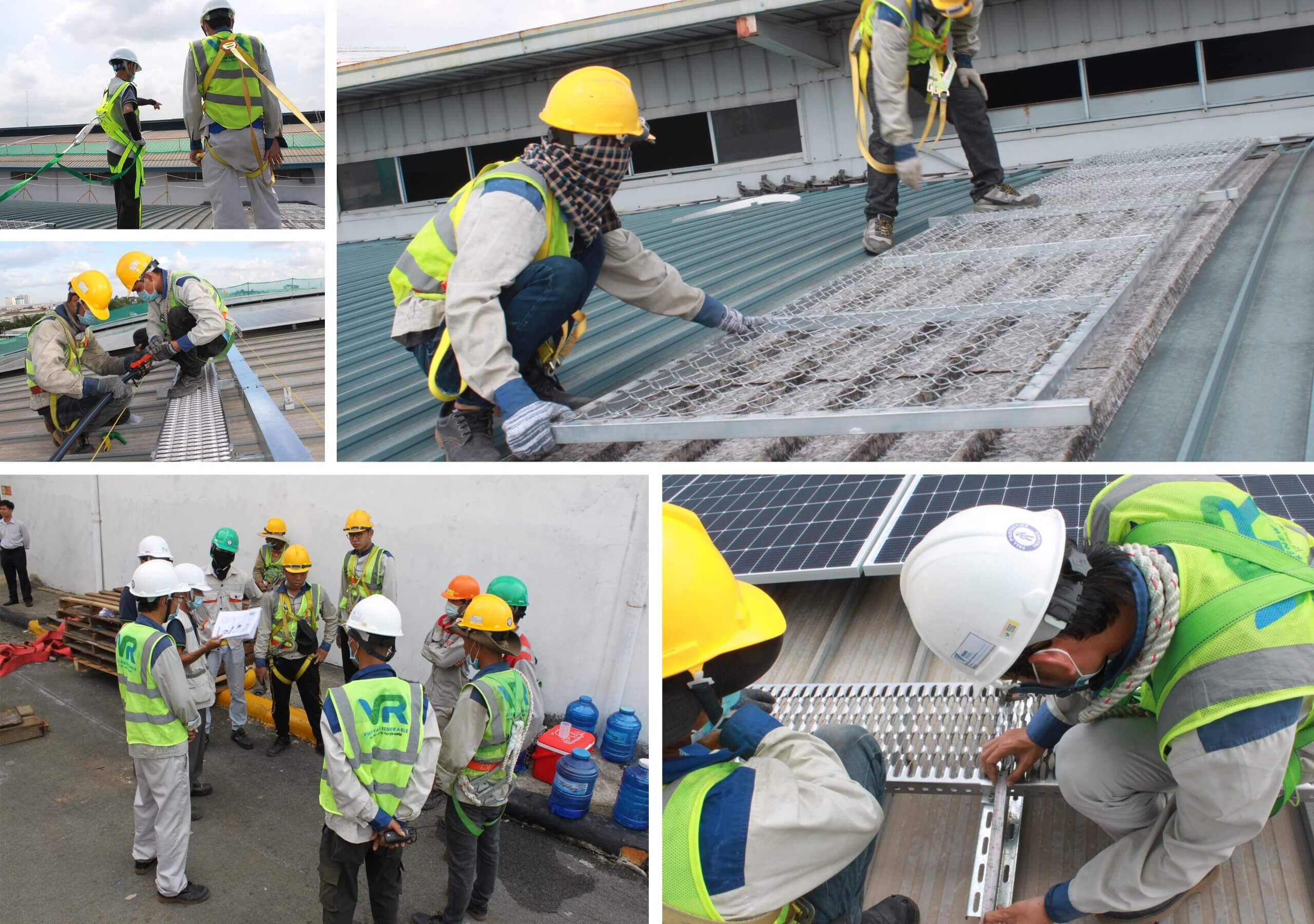
In addition, integrating AI and IoT into solar power monitoring applications also opens up opportunities for more efficient energy management, helping the system operate stably and sustainably over time. Whether it is a household or a business, applying these monitoring Apps will contribute to optimizing green energy sources, towards a future that is economical and environmentally friendly.
With the outstanding benefits that the Solar Power Monitoring App brings, this is an indispensable solution to improve the efficiency of electricity use, ensure smooth system operation and maximize the potential of renewable energy sources. If you own a solar power system, choose a suitable monitoring application right away to optimize operations and maximize the benefits of this clean energy source!


 Xem thêm








