


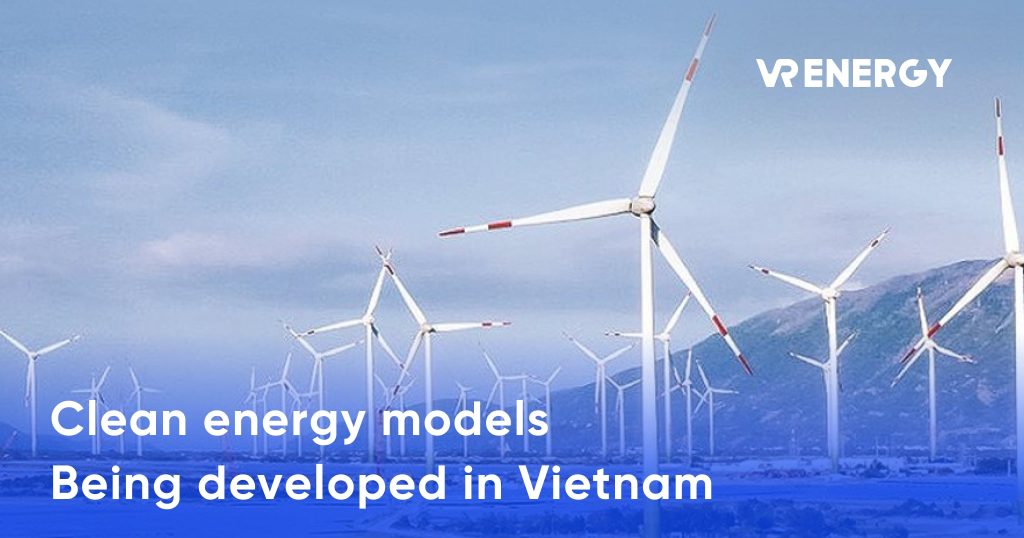
Clean energy is becoming an important element in Vietnam’s sustainable development strategy. You realize that, although there have been many efforts to invest in renewable energy projects, the results have not been as expected. So, what are the clean energy models currently being deployed and bringing high efficiency in Vietnam? The article below will help you answer your questions and learn more about clean energy models being developed in Vietnam.
What is clean energy?
Clean energy, also known as renewable energy, is the process of producing and using energy from natural sources that are renewable and do not pollute the environment. Clean energy sources include solar, wind, biomass, hydropower and geothermal. Methods of using clean energy include exploiting and converting energy from these sources into electricity or heat to serve human daily activities.
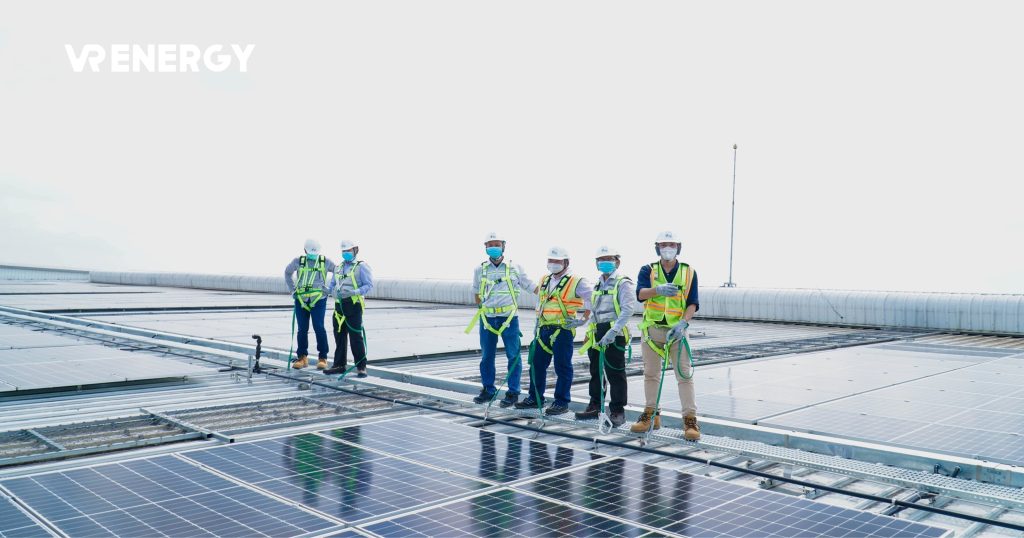
Using clean energy effectively will bring many environmental and economic benefits, reduce greenhouse gas emissions, protect natural resources and ensure sustainable development. Clean energy has three main parts: extraction, conversion and use. When ensuring these three factors, the clean energy development strategy will be successful and bring long-term benefits to the community.
If this is your first time learning about this topic, you can learn details in the article: What is clean energy?
Clean energy models are being developed in Vietnam
Clean energy models being developed in Vietnam are becoming increasingly important and diverse, meeting the country’s growing energy needs in the context of sustainable development. These models not only help reduce environmental pollution but also make an important contribution to national energy security.
Specifically, in our country the following clean energy models can be developed:
Solar energy model
The first step in developing a solar model is to understand how it works.
The operating principle of solar energy is based on converting sunlight into electricity through photovoltaic (PV) panels. When sunlight shines on the panels, it creates direct current (DC), which is then converted into alternating current (AC) for domestic and industrial use.

Popular types of solar models:
- Rooftop solar power: This is a solar power system installed on the roofs of households, office buildings, and factories. This system is usually compact, easy to install and directly uses the electricity produced.
- Grid-connected solar power: This system connects directly to the national grid. The electricity produced from the panels is fed into the grid, helping to reduce electricity consumption costs and being able to sell excess electricity to power companies.
- Large solar power stations: These are large-scale solar power projects, often built on spacious plots of land. These stations are capable of producing large amounts of electricity, serving the needs of both communities and businesses.
Typical solar power projects are being implemented in Vietnam
- Trung Nam solar power project: With a capacity of 450 MW, this is the largest solar power project in Vietnam, located in Ninh Thuan province.
- Phuoc Ninh solar power project: Located in Ninh Thuan province with a capacity of 330 MW, this project contributes significantly to the country’s renewable electricity supply.
- Da Nang solar power project: This is one of the typical rooftop solar power projects, serving industrial and residential zones in Da Nang city.
Analyze the advantages and disadvantages of solar energy models
| Advantage | Defect |
| Reduce carbon emissions | High initial investment costs |
| Endless source of energy from the sun | Performance depends on weather conditions |
| Reduces electricity costs for users | A large area is required to install a solar battery system |
| Technology is increasingly improving, costs are decreasing | Requires technical maintenance and management of solar power systems |
Wind energy model
Wind energy works by converting the kinetic energy of the wind into electricity. When wind blows through the blades of a wind turbine, it rotates the blades, and this motion is transmitted to the generator through a rotating shaft. The generator then converts kinetic energy into electricity, which is used directly or connected to the national grid.
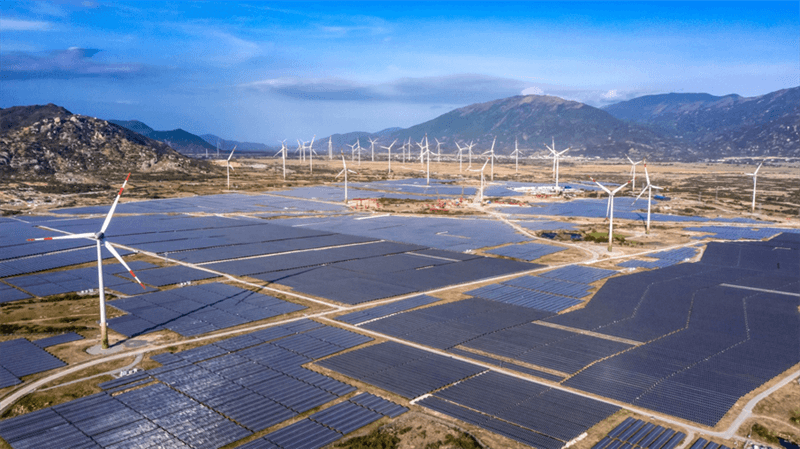
Popular types of wind energy models:
- Onshore wind power: This is a wind turbine system installed on land. Onshore wind power is often easier to install and maintain, but performance can be affected by terrain obstacles such as trees and hills.
- Offshore wind power: This system is installed at sea, where wind speeds are higher and more stable than on land. Offshore wind power has higher installation and maintenance costs, but has greater power generation potential because it is not limited by terrain.
Typical wind power projects are being implemented in Vietnam
- Bac Lieu wind power project: With a total capacity of 99.2 MW, this project includes 62 wind turbines installed offshore Bac Lieu province, making an important contribution to the region’s renewable electricity supply.
- Hoa Binh 1 wind power project: Deployed in Bac Lieu province with a capacity of 50 MW, this project is a typical example of onshore wind power development in Vietnam.
- Ninh Thuan wind power project: Located in Ninh Thuan province, with a capacity of 40 MW, this project uses modern wind turbines, contributing to exploiting the abundant wind potential of the Central region.
Analyze the advantages and disadvantages of wind energy models
| Advantage | Defect |
| Minimize carbon emissions and environmental pollution | High initial investment and maintenance costs |
| The source of energy is abundant and inexhaustible | Performance depends on weather and terrain conditions |
| Create jobs and promote local economic development | Needs a large area and can affect the landscape |
| Reduce dependence on fossil energy | Noise and impact on wildlife |
Effective methods of deploying wind energy models will help Vietnam not only meet increasing energy demand but also ensure sustainable development, environmental protection and national energy security.
Biomass energy model
“Biomass energy” is no longer a strange concept in the field of renewable energy. Biomass energy works on converting organic materials into energy. This process involves direct combustion of biomass or conversion of biomass into other forms of biofuels such as biogas, ethanol or bio-oil. When biomass is burned, the heat energy produced is used to create steam, which turns turbines and produces electricity.
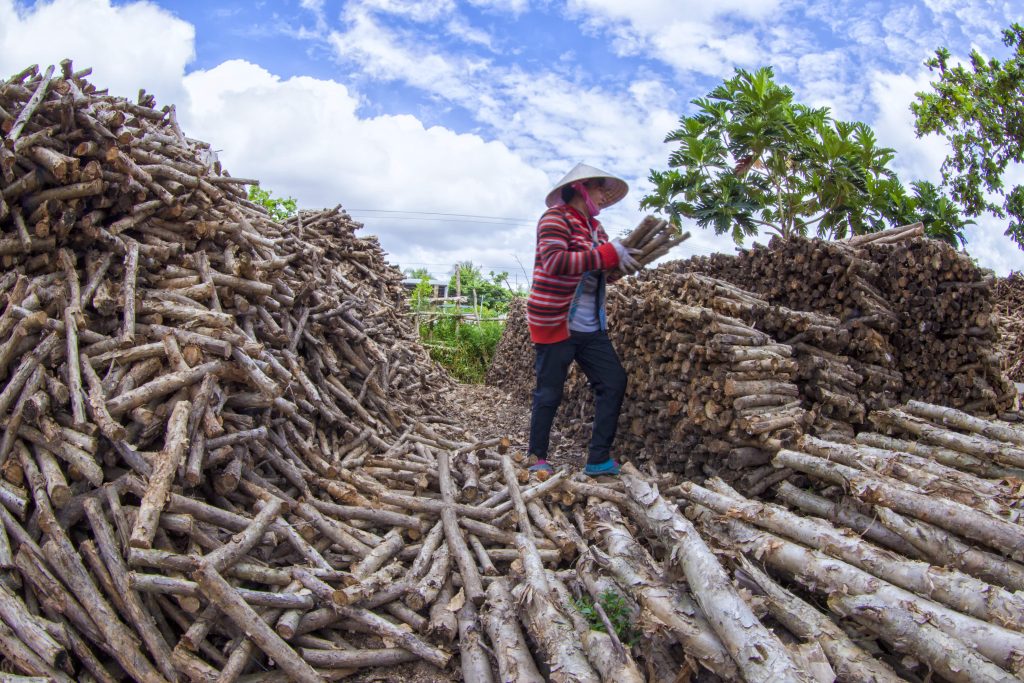
Common sources of biomass raw materials:
- Agricultural waste: Includes straw, sugarcane bagasse, rice husks, corn stalks and other crops. This is an abundant source of raw materials and is easily collected from agricultural activities.
- Forestry waste: Includes tree branches, sawdust, and wood chips from wood exploitation and processing activities. These materials are often discarded or burned in the open, causing waste and pollution.
- Household waste: Includes organic waste from kitchens, gardens and parks. Recycling and using household waste helps reduce the amount of waste going to landfills and contributes to environmental protection.
Typical biomass energy projects are being implemented in Vietnam
- An Khe biomass power plant: Located in Gia Lai province with a capacity of 95 MW, using sugarcane bagasse to produce electricity, contributing to agricultural waste management and clean energy production.
- Ca Mau biomass power plant: With a capacity of 100 MW, using waste products from crops and livestock to generate energy, helping to reduce pollution and provide stable electricity.
- Hau Giang biomass project: Implemented in Hau Giang province, this project uses agricultural and forestry waste products to produce electricity, contributing to reducing carbon emissions.
Analyze the advantages and disadvantages of the biomass energy model
| Advantage | Defect |
| Minimize waste and carbon emissions | High investment and operating costs |
| Using abundant and renewable raw materials | Requires complex management and operation |
| Contribute to the development of rural economy and forestry | Can cause pollution if not managed well |
| Creates a stable and continuous source of energy | The energy conversion efficiency is not high |
In addition, our country still has the potential to develop other clean energy models such as wave energy, tidal energy and biofuel energy, which all have great potential and can make an important contribution to sustainable development and environmental protection in Vietnam. Investing and developing these models not only meets increasing energy demand but also helps minimize negative impacts on the environment, contributing to national energy security and sustainable development. country.
Trend of using clean energy in Vietnam
The trend of using clean energy in Vietnam is growing strongly, reflecting the country’s efforts to minimize negative impacts on the environment and ensure energy security. Vietnam has recognized the importance of transitioning to renewable energy sources such as solar, wind and biomass. The Government has implemented many policies to encourage and support investment in clean energy projects, such as tax exemptions, grants, and favorable conditions for businesses.
Along with that, large renewable energy projects such as Trung Nam solar power, Bac Lieu wind power and An Khe biomass power plant have been implemented, contributing to increasing the rate of clean energy use in the total national electricity output. However, clean energy development in Vietnam still faces many challenges such as high initial investment costs, incomplete infrastructure and lack of advanced technology. However, with continuous efforts from the government, businesses and communities, Vietnam is gradually moving towards a more sustainable and green future.
Conclude
Vietnam has great diversity and development potential for clean energy models such as solar, wind, biomass, ocean waves, and tidal energy. These models not only help reduce environmental pollution but also make an important contribution to ensuring energy security and sustainable economic development. The development and use of clean energy is a key element in the country’s sustainable development strategy, helping Vietnam not only meet growing energy demand but also reduce dependence on fossil fuels, reduce greenhouse gas emissions and protect the environment.
To achieve this goal, there needs to be the cooperation of the entire society, from the government, businesses, to the community. Investing in technology, improving infrastructure, and raising people’s awareness of the benefits of clean energy are necessary steps. Only with cooperation and efforts from all parties can we build a green and sustainable future for future generations. Let’s act together today to develop and use clean energy effectively and sustainably!


 Xem thêm








