


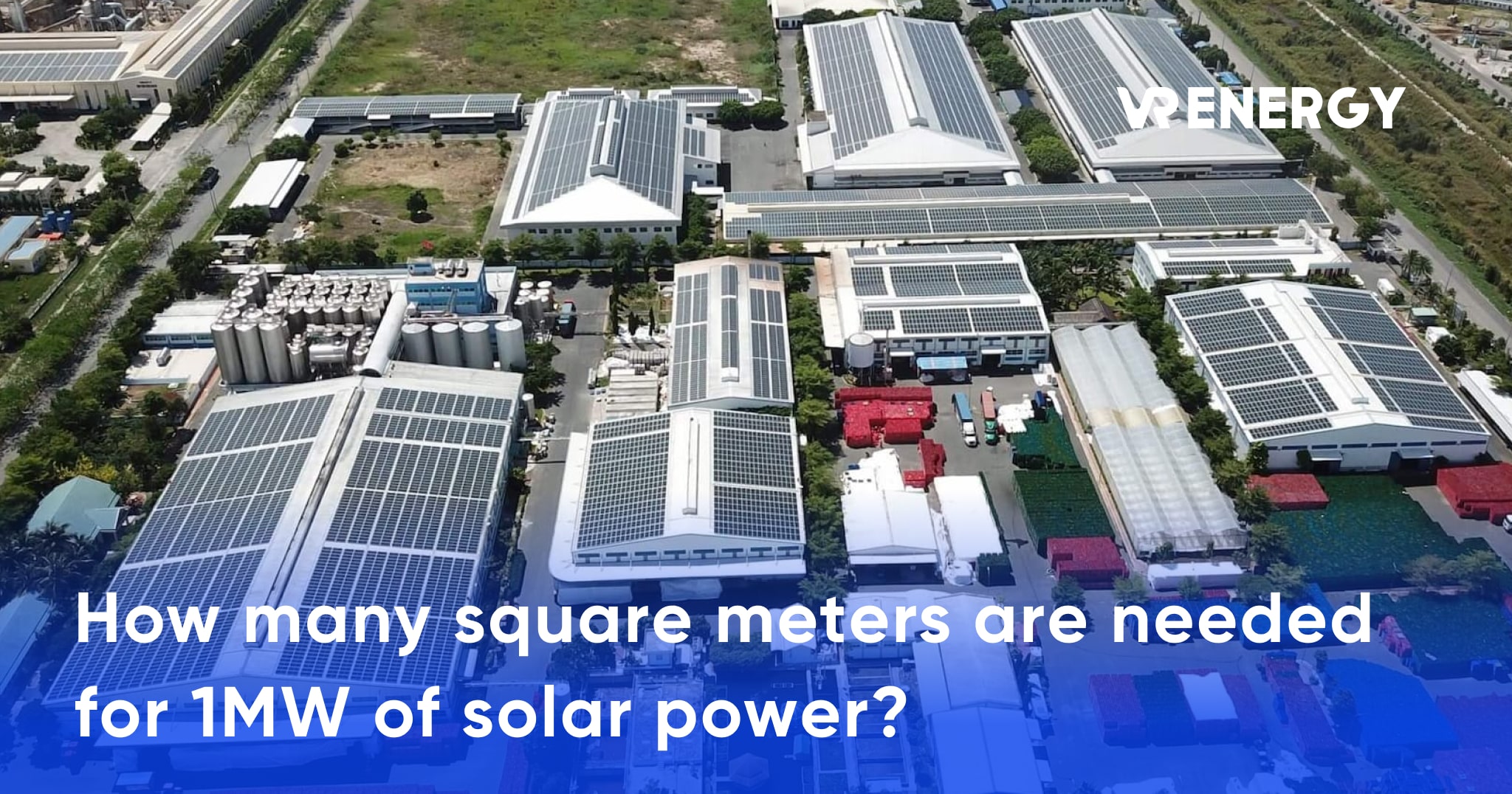
Widely used in renewable energy projects , solar power is increasingly becoming a superior solution to reduce electricity costs and protect the environment. However, when deploying a solar power system with a large capacity such as 1MW, many people still wonder about the area needed for installation and ensuring operational efficiency.
So, how many square meters does 1MW of solar power need to maximize its energy? This article will help you answer the above question through detailed instructions on how to calculate the installation area, as well as factors to consider when deploying a solar power system. Surely this information will be useful, helping you plan an effective investment and save costs for your solar power system.
Benefits of using solar power
Solar power is a renewable, clean and abundant energy source, bringing many benefits to both individuals and the community. Using solar power helps reduce monthly electricity costs, especially for households, businesses and industrial zones with high electricity demand.
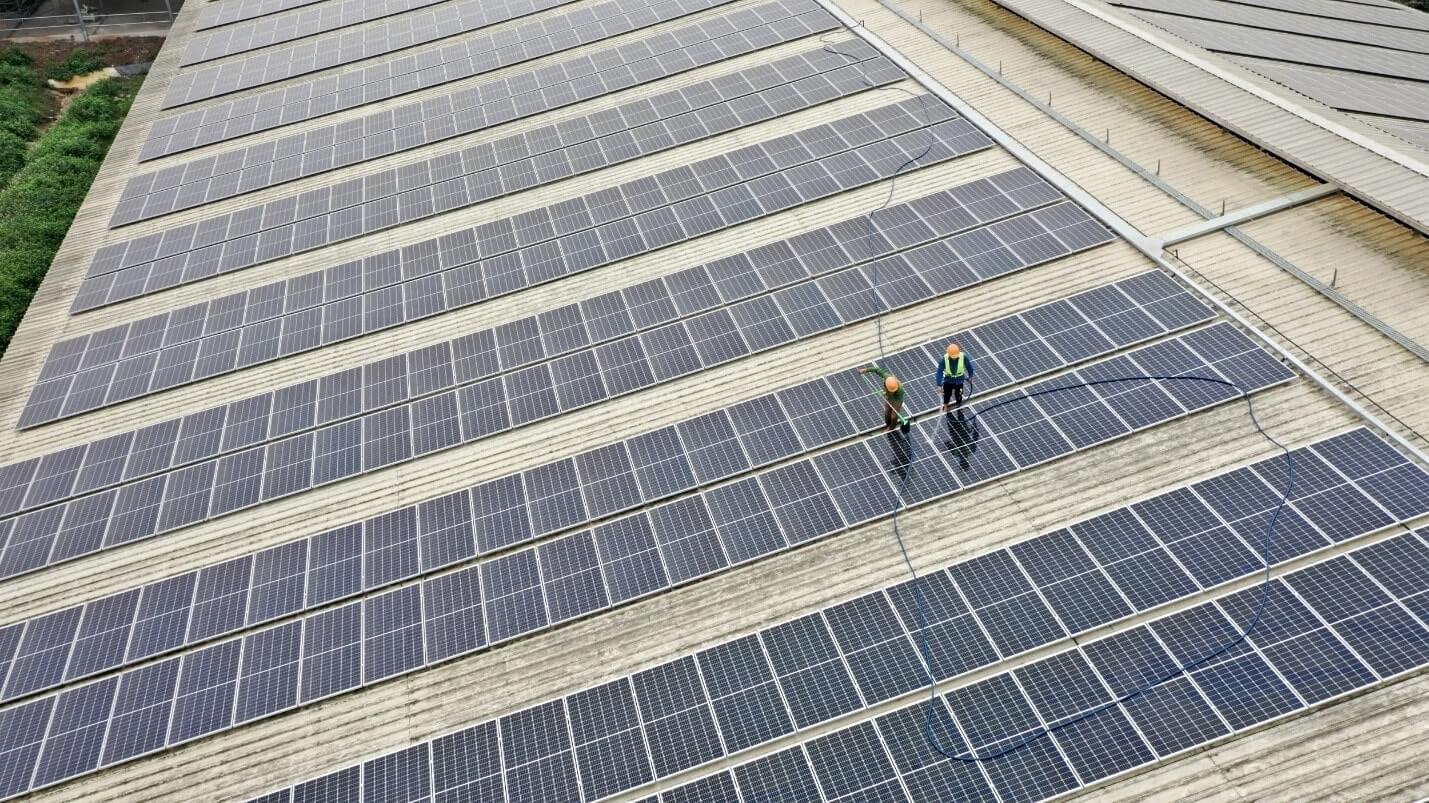
In addition to saving costs, the use of rooftop solar power also contributes to environmental protection, reducing CO2 emissions , thereby supporting the common effort in combating climate change. Installing a solar power system also helps reduce the load on the national grid, ensuring stability and safety in power supply.
In particular, with the development of technology, solar power systems are increasingly easy to install, maintain and have a long life, bringing long-term efficiency to users. Not only that, the application of solar power can also create additional income from selling excess electricity to the national grid.
So how to make the most of the benefits that solar power brings? This question is certainly of interest to many people who want to invest in solar power systems. Let’s learn more about the benefits as well as the factors to consider when implementing a solar power system in the following content.
Factors affecting solar power installation area
Determining the appropriate area for installing a solar power system is a key factor in determining the efficiency of the system, directly affecting the capacity, investment costs and profitability. To optimize the area used and ensure maximum efficiency, the following factors must be carefully considered.
Factors affecting solar power installation area:
- Optimizing system capacity: The larger the installation area, the higher the solar power capacity. However, expanding the area does not always bring high efficiency if other factors such as tilt angle or type of solar panels are not properly calculated. Understanding the factors will help you choose the right area to achieve optimal capacity.
- Increase space efficiency: Choosing high-efficiency panels helps to minimize the space used while still ensuring the necessary capacity. High-efficiency panels can convert more energy from sunlight, saving installation space.
- Save on investment costs: Factors such as the type of solar panels and installation techniques directly affect the initial investment costs. Choosing the right technology and optimizing the area used will help you minimize costs, bringing higher profits in the long run.
- Adaptation to geographical and climatic conditions: The installation area is also affected by the climatic and geographical conditions of each area. In areas with strong sunlight, the installation area can be smaller while still achieving the desired capacity, while in areas with less sunlight, the installation area will be larger.
- Minimize risks and maintenance costs: Factors such as panel durability and installation techniques will determine the lifespan and maintenance costs. Choosing the right technology and materials will help minimize damage, save maintenance costs and increase the life of the system.
By understanding the factors that affect the installation area, you will be able to make reasonable decisions, optimize costs and ensure the solar power system operates effectively.
How to calculate the area required for a 1MW solar power system
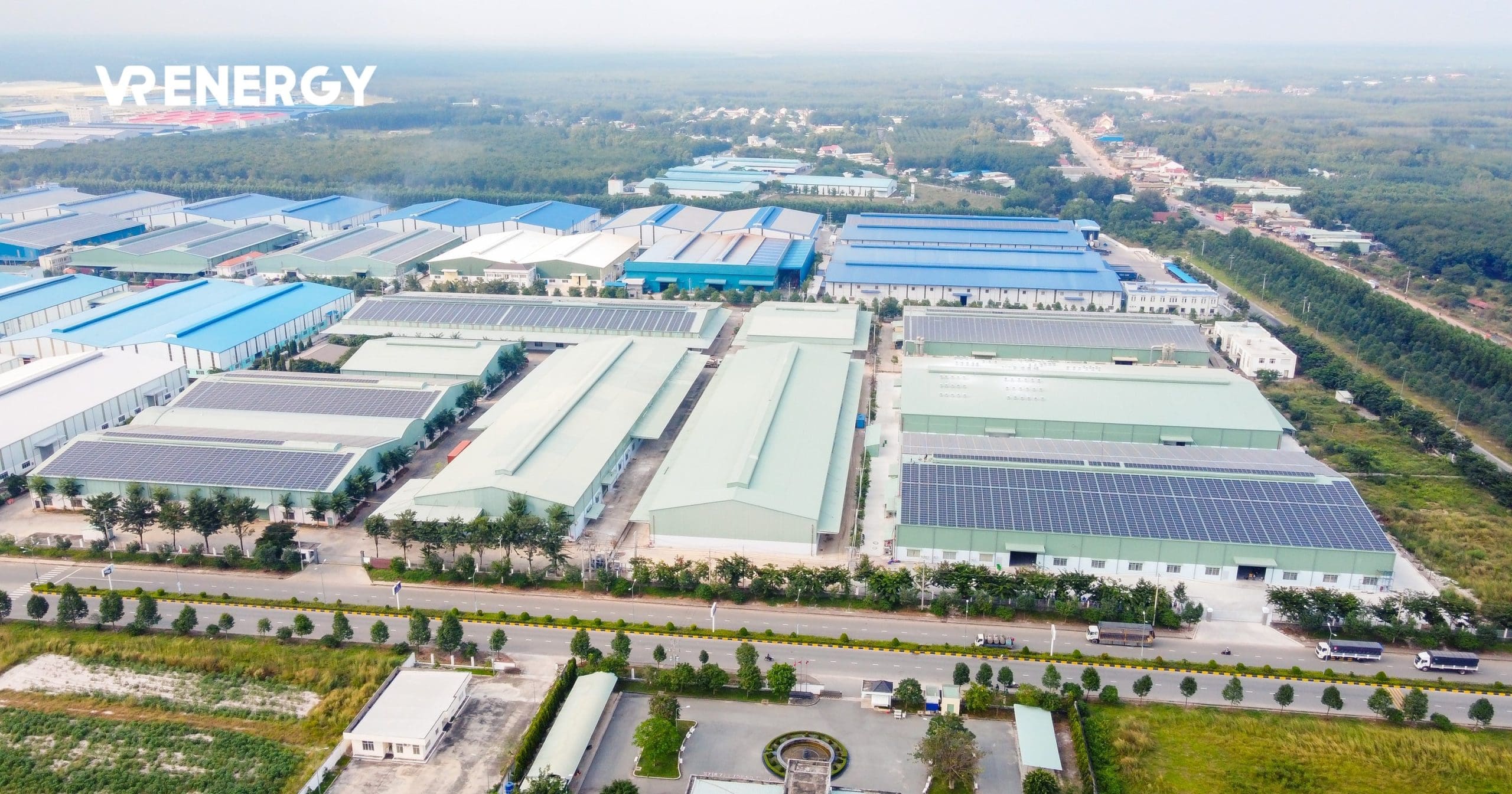
In the installation of solar power systems, the required area is an important factor, directly affecting the efficiency of energy use and investment costs. To calculate the area for a 1MW solar power system, you need to consider the following basic factors.
Factors to consider when calculating installation area:
- Solar panel type: Panels come in different wattages and efficiencies, so the area required will depend on the type of panel you choose. High-efficiency panels will require less space to achieve the same power output than lower-efficiency panels.
- Panel capacity: The capacity of each solar panel directly affects the number of panels to be installed. To calculate the area, you need to know the capacity of each panel and from there calculate the number of panels needed for a 1MW system.
- System efficiency: The conversion efficiency of a solar power system, i.e. its ability to convert sunlight into electricity, will affect the area required. A system with a high efficiency will require less area to produce 1MW of electricity.
- Lighting conditions in the installation area: The installation location is also an important factor. In areas with high sunlight, the installation area will be smaller than in areas with low light. You need to calculate the amount of solar radiation in that area to determine the appropriate area.
- Tilt and orientation: Installing solar panels at the right tilt and orientation optimizes the collection of sunlight. This also affects the installation area, as panels installed at the right orientation and angle will increase efficiency, reducing the required area.
- Calculating the area: To calculate the area for a 1MW system, you need to base it on the power specifications of each panel and the efficiency of the entire system. For example, if the panel has a power of 450W and the area of each panel is 2 m², you will need about 2,222 panels to achieve 1MW. Then, calculate the total area of all these panels.
Note: The area required for installation will also depend on the arrangement of the panels for maximum efficiency, minimizing gaps and avoiding covering the panels during operation.
Factors to consider when installing a 1MW solar power system
When installing a 1MW solar power system, there are a number of important factors that you need to keep in mind to ensure the system operates efficiently and durably throughout its life. Following the correct technical procedures and choosing the right materials will help you optimize the system’s capacity and save on maintenance costs.
- Installation location: Choosing the installation location is a prerequisite factor that determines the performance of the system. The system should be installed in a place with direct sunlight throughout the day, avoiding areas with shade or obstacles such as trees and tall buildings.
- Installation area: To achieve 1MW of power, the area required will depend on the type of solar panel you choose. For example, a larger panel will require less area to achieve the same power. You need to calculate the area accurately to avoid wasting space and maximize efficiency.
- Racking system and mounting structure: The racking system must be sturdy and able to withstand harsh weather conditions such as strong winds and heavy rain. The racking must also be installed at the correct tilt angle to optimize the ability to collect sunlight throughout the year.
- Solar panel quality: Choosing high-quality solar panels with high conversion efficiency and long life is an important factor to reduce maintenance costs and improve efficiency. You should choose panels from reputable brands with quality certification.
- Control system and inverter: Inverter system plays an important role in converting electricity from DC to AC for domestic use. Choosing an inverter that is suitable for the capacity of the system and ensures optimal conversion efficiency is essential. In addition, a control system is needed to monitor and manage the operation of the system.
- Wiring and protection system: Ensure that the wiring system is installed according to technical standards, without exposure, short circuit or overload. In addition, the installation of protective devices such as fuses and circuit breakers is necessary to ensure the safety of the system.
- System maintenance and cleaning: To keep the system running smoothly, you need to plan regular maintenance and cleaning for the panels and related equipment. This will help the system maintain high performance and extend the life of the equipment.
- Performance monitoring and adjustment: After installation, it is very important to monitor and supervise the performance of the system. You need to check regularly to detect and fix problems promptly, thereby adjusting the system accordingly, ensuring the most effective operation.
With the above factors, you will be able to install and operate a 1MW solar power system effectively, helping to optimize profits and save costs for the future.
Solutions to optimize solar power installation area

Although the area required for a 1MW solar power system is quite large, there are still many solutions to optimize the area used, ensure high efficiency and minimize investment costs. Below are some solutions to help you optimize the area for solar power installation:
Choosing high efficiency solar panels
Choosing a solar panel with a high conversion efficiency is an important factor in saving space. Large panels such as 450W or more will help you achieve 1MW of power in a smaller area than low-power panels. This helps maximize space efficiency, reducing installation and maintenance costs.
Increase the tilt angle of the solar panel
Installing the solar panel at the right tilt angle increases the ability to collect sunlight, optimizes power and reduces the required area. The best tilt angle will depend on the geographical and climatic conditions of the installation area. Depending on the season and direction of the sun, you can adjust the tilt angle to achieve the highest efficiency without expanding the installation area.
Use of adhered solar panel or thin film solar panel technology
Adhesive or thin-film solar technology can be a space-saving solution, especially in areas where space is limited. These panels are lightweight and can be installed on flat surfaces or roofs, saving space while still ensuring energy efficiency.
Installation according to the “hanging solar panel” model
Another space-saving solution is to install solar panels in a “hanging panel” model. This model prevents panels from overlapping, reduces the space between panels, and increases space efficiency. Panels can be hung on special brackets, which saves space and ensures that sunlight shines directly on the panel surface.
Enhance intelligent monitoring and control system
To optimize your space usage, you should also invest in a smart control system that monitors the performance of each panel. This system will help you detect and fix inefficient areas, and adjust the system to suit each season or weather condition. This will help you maximize the installation space without having to expand.
Choose the optimal installation location
The choice of installation location also greatly affects the usable area. You should choose areas with little shade, where sunlight shines directly on the panels throughout the day. In addition, if possible, install the system on the roof, terrace or unused areas to save land area.
With solar space optimization solutions, you can increase the efficiency of your space without sacrificing system performance. Choosing the right technology, adjusting the installation angle, and regularly monitoring performance will help you save costs and maximize the profits from your solar system.
Conclude
A 1MW solar power system is an efficient energy solution that helps save costs and protect the environment. However, to achieve the highest efficiency, optimizing the installation area and choosing the right technology is extremely important. Solutions such as choosing high-efficiency panels, adjusting the appropriate tilt angle, and using new technology will help you maximize space and save costs.
With the huge benefits that solar power brings, this is the ideal time to invest in solar power systems. Mastering knowledge and applying optimal solutions will help you achieve long-term efficiency. Start your journey of green energy conversion and cost optimization today to contribute to a sustainable future.


 Xem thêm








