


What is noteworthy about the solar power planning in 2025? What policies will affect the development of solar power in Vietnam? What are the opportunities and challenges for investors in this field? These are the questions that many businesses and individuals interested in renewable energy are looking for answers to.
Understanding these questions, the article below will help you have an overview of the solar power planning in 2025. Specifically, we will learn about the development orientation, influencing factors and solutions to optimize investment efficiency in this field. If you are interested in opportunities from solar power, take some time to explore this article right away!
Overview of solar power planning in 2025
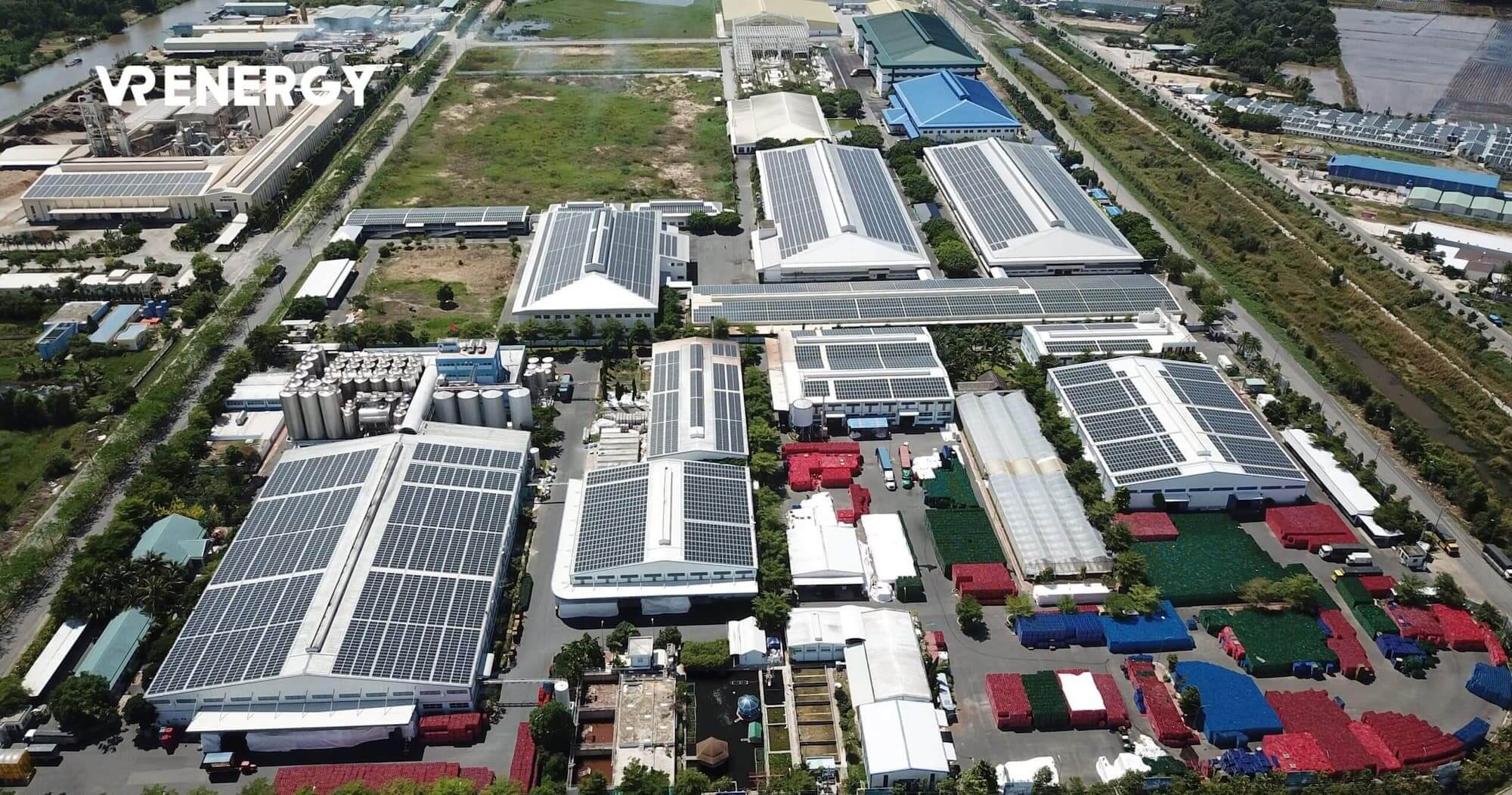
Solar power is one of the clean energy sources that plays an important role in the sustainable energy development strategy in Vietnam. In recent years, the solar power industry has made great strides, contributing to reducing dependence on fossil fuels, reducing greenhouse gas emissions and meeting the growing electricity demand of the economy.
Goals and orientations for solar power development in 2025
According to the power planning orientation, 2025 marks an important stage in promoting solar power to become a stable and sustainable source of electricity supply. The Government aims to expand installed capacity, optimize connection mechanisms and encourage the development of solar power models suitable for each region, from rooftop solar power for households and businesses to large-scale solar power farms.
Factors affecting solar power planning
The development of solar power in 2025 is affected by many factors, including:
- Policies and regulations : Support mechanisms, feed-in tariffs (FITs) , and regulations related to grid connection will determine the growth rate of the industry.
- Technology : Improvements in solar panel technology, energy storage systems and smart operating solutions will help optimize performance and reduce costs.
- Market and investment : The increasing demand for electricity along with the green transition trend will encourage businesses and investors to strongly participate in this field.
The importance of solar power planning
A suitable plan will help to exploit the maximum potential of solar power, ensure stable and sustainable power supply, and create favorable conditions for people and businesses to access clean energy sources. On the contrary, without reasonable planning, massive development can put pressure on the power grid system, unbalance supply and demand and affect investment efficiency.
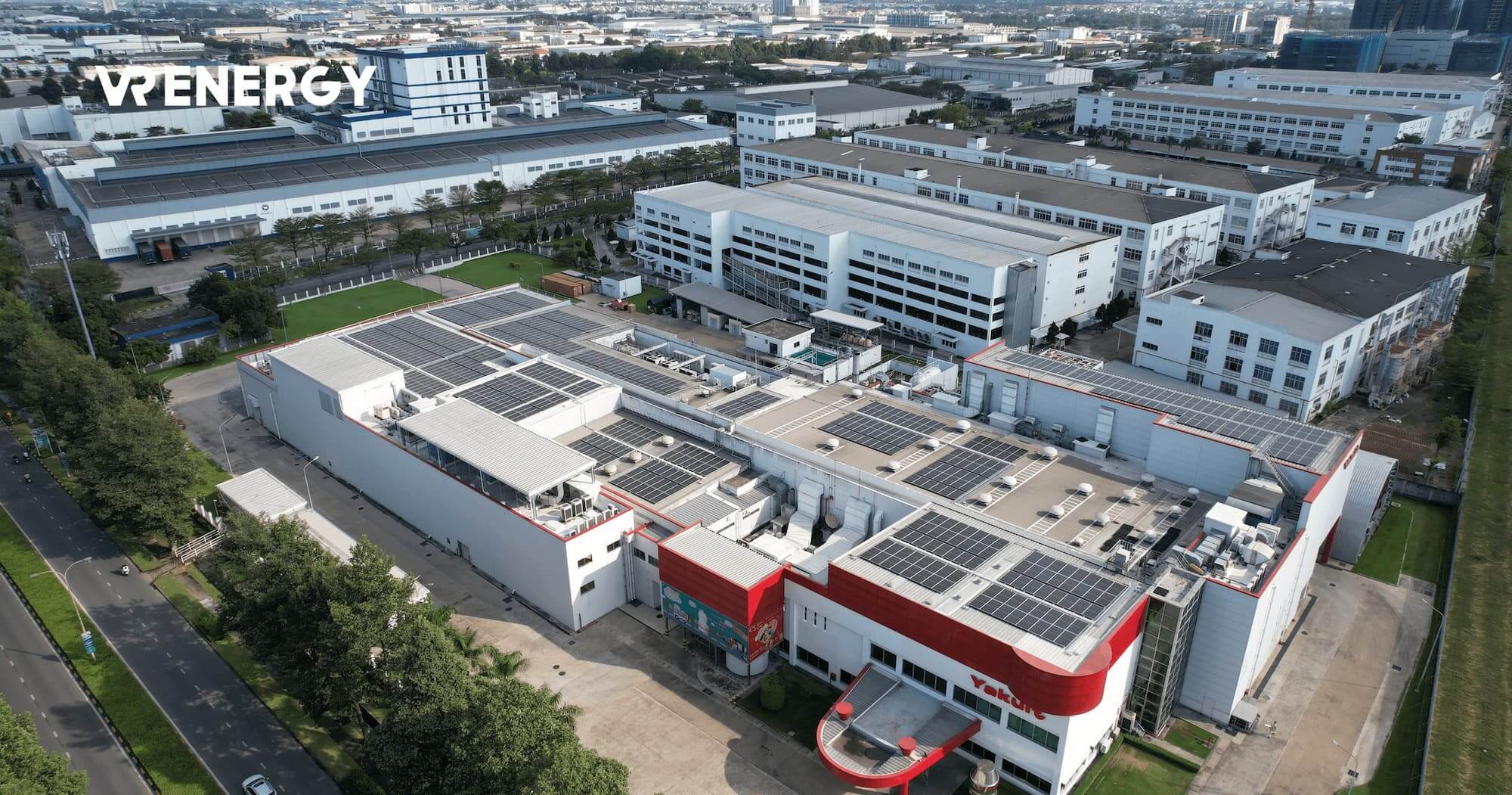
With strong development potential and opportunities, the 2025 solar power plan promises to create an important step forward in the energy transition in Vietnam, bringing long-term benefits to the economy and the environment.
Factors affecting solar power planning in 2025
Factor 1: Government policies and regulations
The 2025 solar power plan is greatly influenced by policies and regulations issued by the Government. In particular, support mechanisms such as preferential electricity purchase prices (FITs), grid connection policies and tax incentives play an important role in attracting investment in this field.
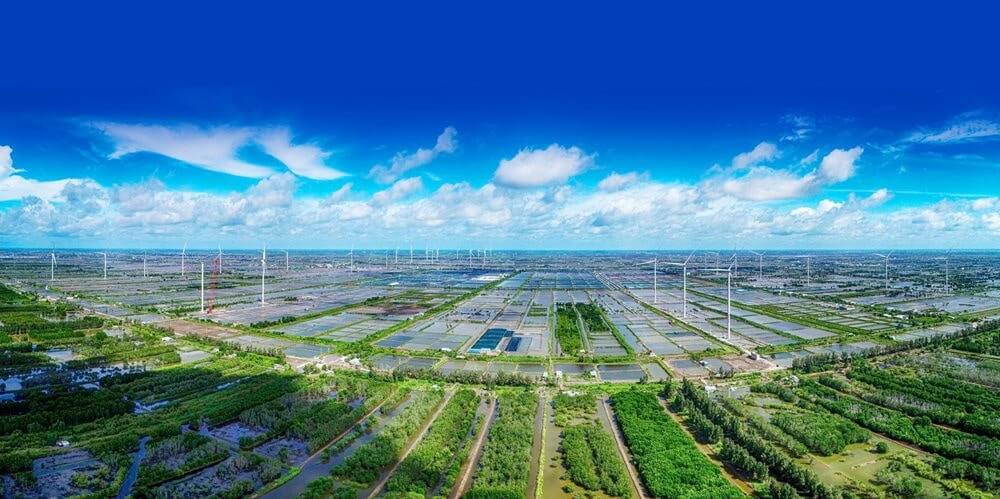
One of the factors that determines the speed of solar power development is the stability of policies. If the Government maintains long-term and transparent investment incentive policies, the solar power industry will have favorable conditions to expand its scale. On the contrary, if policies change continuously and inconsistently, investors may face risks, slowing down the development of the industry.
In addition, regulations on technical standards and grid connection also directly affect the feasibility of solar power projects. Simplifying licensing procedures, financial support and ensuring grid infrastructure is ready to receive renewable energy sources will help the 2025 solar power plan achieve higher efficiency.
Factor 2: Demand and potential for solar power development in Vietnam
Vietnam is a country with favorable conditions for developing solar power thanks to abundant solar radiation, especially in the Central and Southern regions. With a high total number of sunshine hours, exploiting solar energy becomes a feasible solution to supplement the national power system.
Vietnam’s electricity demand is also increasing due to the strong development of industry, commerce and residential areas. This poses an urgent need to expand clean and sustainable electricity supply. Solar power not only helps meet electricity demand but also contributes to reducing dependence on fossil fuels, reducing CO₂ emissions and protecting the environment.
In addition, the potential for solar power development is also promoted by the increase of rooftop solar power models in industrial parks, businesses and households. This is a solution to help reduce pressure on the national grid, while bringing direct economic benefits to users by reducing electricity bills.
Factor 3: Technology and investment costs
Technological developments play a key role in the 2025 solar power plan. Advances in solar panels, battery storage systems and smart control technologies help improve efficiency, extend system life and optimise operating costs.

Solar investment costs are also on the decline thanks to improvements in manufacturing technology. The cost of solar panels has dropped significantly over the years, making solar projects more financially attractive. In addition, system optimization solutions, such as smart inverters, solar tracking systems, and artificial intelligence (AI) for energy management, are helping to improve operational efficiency and shorten payback periods.
However, one of the major challenges remains the initial investment cost and access to capital. Despite the reduction in equipment costs, the implementation of a large-scale solar power project still requires significant capital. If there is a good financial support policy from the Government or credit institutions, investors will have a greater opportunity to participate in this field.
In general, the solar power planning for 2025 is influenced by many factors, from policies, market demand to technology and investment costs. To maximize the potential of solar power, Vietnam needs a synchronous development strategy, creating a favorable environment to attract investment and promote the transition to clean energy in a sustainable manner.
Compare and choose solar power development model
When choosing a solar power development model, it is important to carefully consider factors such as investment scale, electricity demand, grid connection and economic efficiency. Here are some ways to compare popular solar power models and make the most appropriate decision.
Rooftop Solar and Farm Solar
The two most popular models today are rooftop solar power and farm solar power , each model has its own advantages and disadvantages:
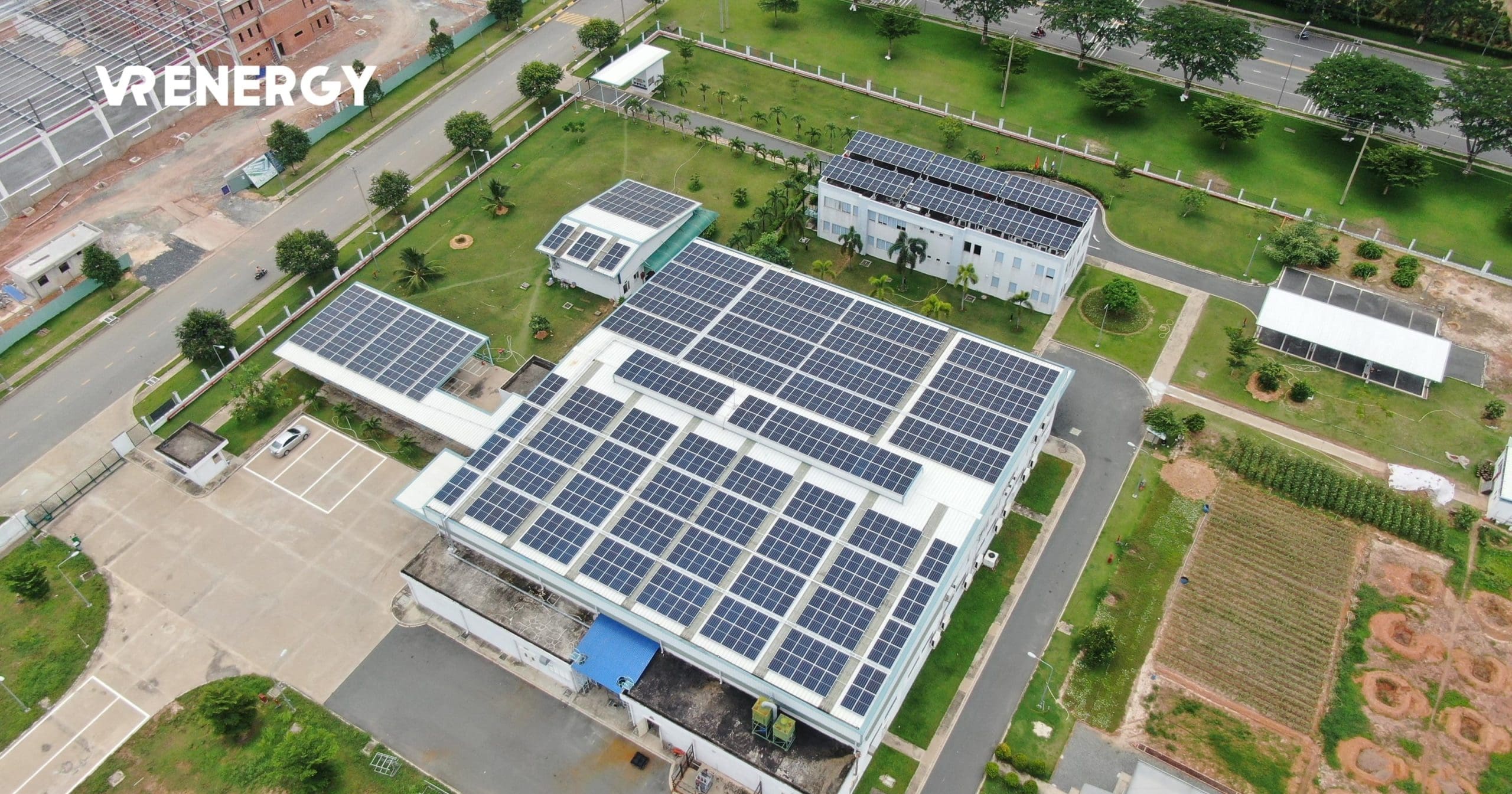
- Rooftop solar power : This is a suitable solution for households, small businesses and industrial parks with large roof areas. The advantage of this model is to take advantage of available space, helping to reduce electricity bills without having to rent land. In addition, the initial investment cost is often lower than that of farm solar power. However, the installed capacity is limited by the roof area and the load capacity of the project.
- Solar farm : Suitable for large-scale projects that need to supply electricity to the national grid or serve industrial production. Solar farm can achieve larger capacity, optimizing electricity output thanks to solar tracking systems. However, this model requires large land funds and higher investment costs, and may encounter difficulties in connecting to the grid if the infrastructure is not ready.

Off-grid Solar and Grid-connected Solar
In addition to classification by installation location, solar power can also be divided into two main operating models: independent and grid-connected .
- Independent solar power : Is a system that operates independently of the grid, often using storage batteries to provide electricity at night or on days with little sunshine. This model is suitable for areas without a grid or where the grid is unstable, such as remote areas and remote islands. The advantage is that it is not dependent on the grid, but the investment cost is higher due to the need for an additional energy storage system (battery).
- Grid-connected solar power : This is a more common model, in which the solar power produced can be used directly or sold back to the grid when there is surplus. The advantage of this system is that it does not require battery storage, reduces investment costs and can take advantage of the electricity purchase policy from EVN. However, this model depends on the grid system and can be affected when the grid is out of power or overloaded.
Selecting investors and technology providers
Choosing the right investor and technology provider is an important factor to ensure the efficiency and longevity of the solar power system. Here are some criteria to consider when choosing:
- Compare prices : Before deciding, consult quotes from different suppliers to get an overview of market prices. In addition to the equipment price, you should also calculate the total installation and operating costs to make a choice that fits your budget.
- Product quality : Not only pay attention to price, the quality of solar panels, inverters and mounting systems is also an important factor. Choose products with international certifications for performance and durability such as TUV, IEC, CE , ensuring stable performance over a long period of time.
- Support Services : A reputable supplier will not only provide equipment but also technical support, long-term warranties and regular maintenance services. Having a dedicated team of experts to support you throughout the life of your system will help minimize risk and ensure optimal performance.
- Supplier Reputation : Find out about the supplier’s experience and customer list. Companies that have been operating in the solar power industry for many years often have a deep understanding of the market and provide better solutions. Reading reviews from previous customers is also a good way to check the quality of service.
By analyzing and evaluating the above factors, investors can choose the solar power model that best suits their needs and financial conditions, while ensuring long-term benefits from this renewable energy source.
Solutions to optimize solar power investment efficiency
Investing in solar power is a sustainable trend, helping to save energy costs and protect the environment. However, to achieve the highest efficiency, investors need to consider and apply solutions to optimize the costs of installation, operation and system management. Below are some solutions to help improve the efficiency of solar power investment.
Reduce installation and operating costs
Installation cost is one of the biggest factors affecting the profitability of solar power projects. To optimize this cost, investors can apply some of the following measures:
- Choosing the right equipment : The most expensive solar panel is not always the best choice. Choosing a solar panel with the right efficiency for local conditions, along with a high-quality inverter, will help optimize the initial investment cost while ensuring long-term performance.
- Make use of available space : For businesses, installing solar panels on rooftops or parking lots helps save on land rental costs while optimizing space usage.
- Reduced operating costs : Performing regular maintenance, properly cleaning panels, and using automated monitoring technology will help reduce operating costs and increase system life.

Although the initial investment costs may be high, if these costs are optimized, investors will shorten the payback period and increase profits in the long term.
Application of advanced technology in monitoring and maintenance
Modern technology plays an important role in improving the efficiency and prolonging the life of solar power systems. Some of the advanced technologies that are being widely applied include:
- Remote monitoring system : Using monitoring software helps to monitor power output, detect technical errors and optimize system performance automatically. As a result, investors can quickly handle problems without manual intervention, saving time and maintenance costs.
- Solar panel cleaning robots : Instead of manual cleaning, cleaning robots can effectively clean the surface of solar panels, ensuring maximum performance without damaging the system.
- Artificial Intelligence (AI) in Energy Management : AI can analyze data from systems to make forecasts of power output, optimize power usage, and provide early warnings of potential problems.
The application of these advanced technologies not only helps reduce maintenance costs but also improves efficiency, ensuring the solar power system operates stably for a long time.
Financial support and incentive policies
The government and financial institutions are having many supporting policies to promote the development of solar power, helping to reduce the financial burden for investors. Some important policies include:
- Tax incentives and investment fee exemptions : Many countries, including Vietnam, apply import tax exemption or reduction policies for solar power equipment, as well as corporate income tax exemptions for the first few years of operation.
- Feed-in tariff (FIT) policy : The price of purchasing electricity from solar energy is regulated in each phase, helping investors have a stable source of income from selling excess electricity to the national grid.
- Loan support : Some banks and financial institutions offer green credit packages with preferential interest rates to support businesses and households investing in solar power. Access to these sources of capital will help reduce initial financial pressure and speed up project implementation.
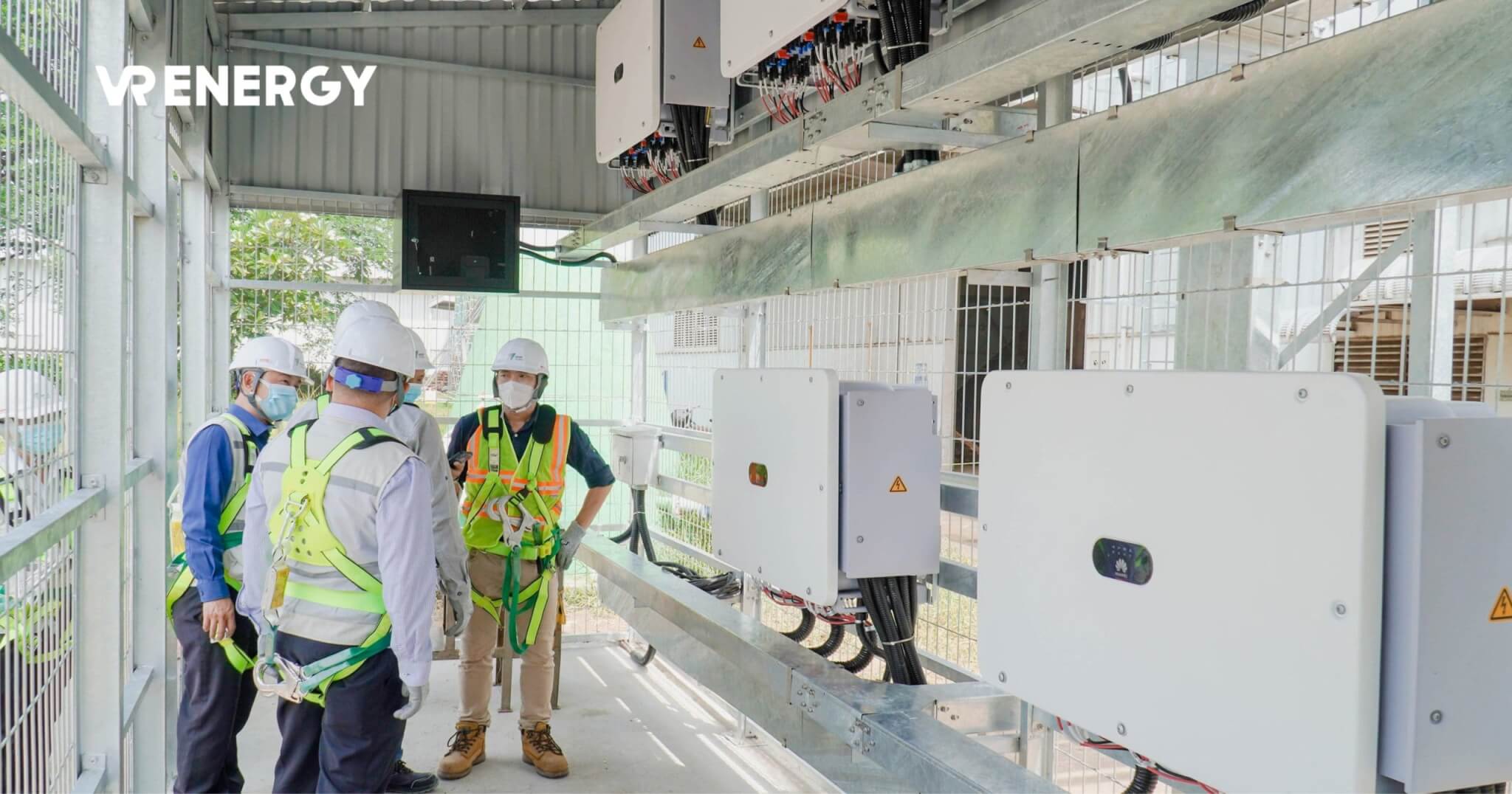
Cost optimization – Improve investment efficiency
By applying the above solutions simultaneously, investors can optimize the economic efficiency of solar power projects. Reducing installation and operating costs, combined with the application of advanced technology and taking advantage of support policies, will help increase profits, shorten payback time and ensure long-term sustainability of the project.
Hopefully, the above information will help investors have a more comprehensive view of solutions to optimize the efficiency of solar power investment. If you are considering implementing a solar power project, do not forget to research carefully and choose the appropriate strategy to achieve the best results!
Conclude
The 2025 solar power plan plays an important role in Vietnam’s clean and sustainable energy development strategy. With support from government policies, abundant potential for solar radiation, and advances in technology, the solar power industry is facing many opportunities to make a breakthrough. However, it also comes with challenges in terms of investment costs, grid infrastructure, and policy stability.
To make the most of this potential, investors need to choose the right development model, apply advanced technology and take advantage of financial support policies to optimize investment efficiency. At the same time, closely monitoring new regulations and market trends will help businesses and individuals make informed decisions, ensuring long-term economic benefits.
Hopefully, the information in this article will help you have a more comprehensive and in-depth view of the solar power planning in 2025. If you are interested in investing or deploying a solar power system, please research carefully and prepare a suitable strategy to maximize efficiency and contribute to the sustainable development of the renewable energy industry in Vietnam!


 Xem thêm








