


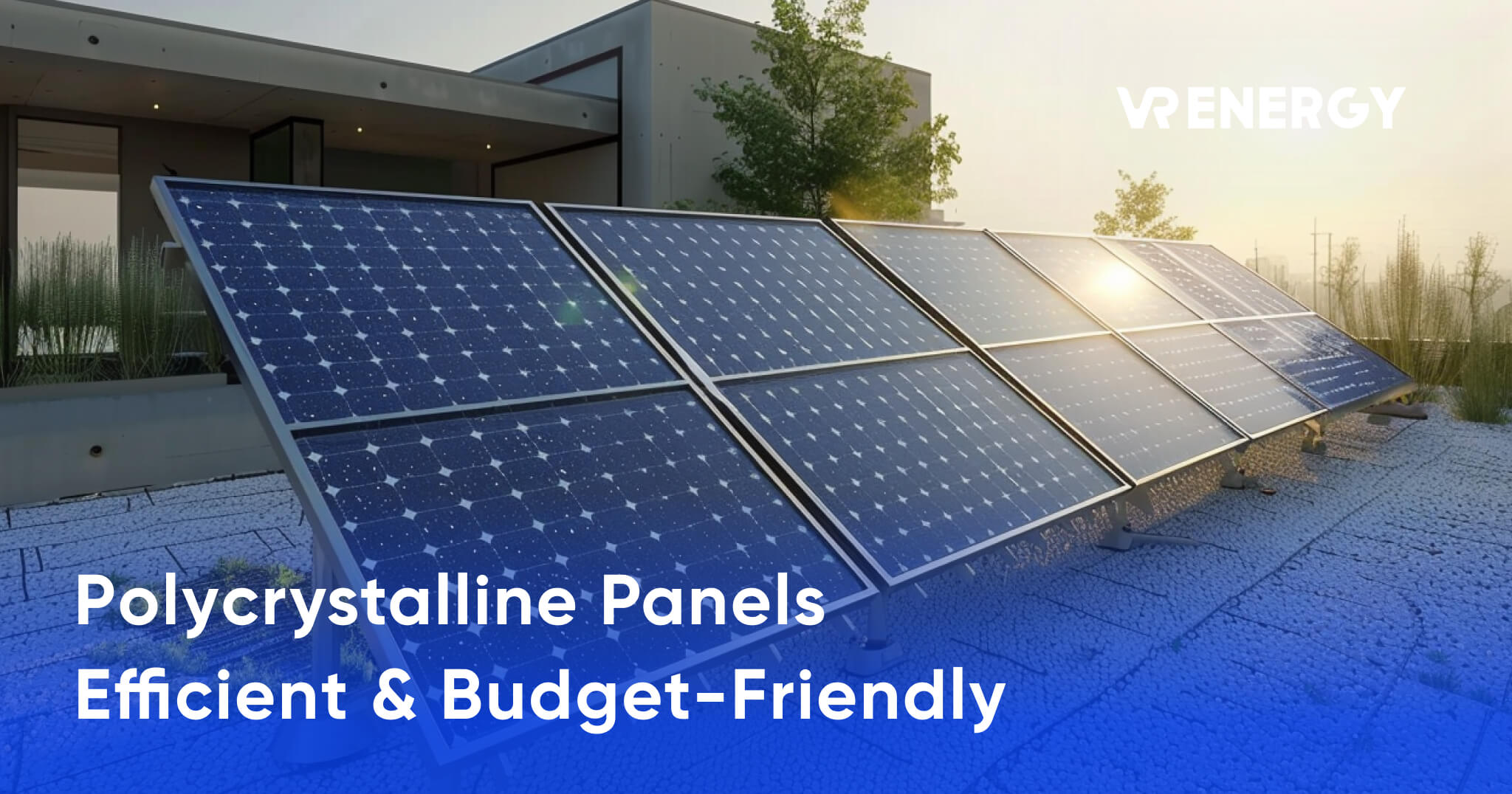
Polycrystalline Solar Panels: Cost Savings, Optimal Efficiency
⚠️ IMPORTANT DISCLAIMER:
Information in this article is for reference and educational purposes
Before investing, please consult experts and reputable suppliers
Actual performance may vary depending on specific installation conditions
Prices and technical specifications may change over time
Polycrystalline solar panels are becoming a popular choice for Vietnamese households thanks to their optimal balance between efficiency and investment cost. With lower costs compared to monocrystalline panels and continuously improving efficiency, poly panels provide suitable clean energy solutions for many users.
This article will help you understand polycrystalline panel technology, from structure and operating principles to selection and maintenance guidance, to make the smartest investment decision for your home solar energy system.
What Are Polycrystalline Panels? Technology & Structure
Polycrystalline Silicon Production Process
Polycrystalline solar panels are manufactured by melting silicon in high-temperature furnaces, then allowing natural cooling to form silicon blocks with multiple small crystals. This process is simpler than the Czochralski method used to produce monocrystalline silicon, resulting in lower production costs.
The polycrystalline structure has many grain boundaries between small crystals, creating higher resistance compared to monocrystalline structure. This affects conversion efficiency but provides reasonable production costs, suitable for many applications.
Modern manufacturers have applied many technical improvements like PERC (Passivated Emitter and Rear Cell) technology to enhance poly panel efficiency, narrowing the gap with monocrystalline panels.
Poly Panel Identification Features
Polycrystalline panels have characteristic blue color with light-dark patterns creating unique textures on the surface. This differs clearly from the uniform black color of monocrystalline panels.
Poly panel cell design typically has complete square shape, optimizing space usage on the panel. Meanwhile, monocrystalline panels usually have cut corners creating octagonal shapes due to manufacturing process.
Modern poly panels have various power levels (typically from 250W to 400W+), suitable for many applications from households to large commercial projects.
Detailed Comparison: Poly vs Mono Panels
Comprehensive Comparison
| Criteria | Poly Panels | Mono Panels | Notes |
| Efficiency | 15-17% | 17-22% | Gap is narrowing |
| Cost | 10-15% lower | Higher | Initial investment savings |
| Lifespan | 25+ years | 25+ years | Equivalent warranty |
| Required area | 5-10% more | Less | Difference not too large |
Efficiency under standard STC (Standard Test Conditions) according to IEC
Performance in Real Conditions
Polycrystalline panels operate efficiently in Vietnam’s tropical climate conditions. Good heat resistance and less severe impact from high temperatures (temperature coefficient about -0.4%/°C) make poly panels suitable for areas with intense sunlight.
Under high solar radiation conditions (average 4.6-5.2 kWh/m²/day in Vietnam), poly panels demonstrate stable and reliable performance. This is especially important in areas with abundant year-round sunshine.
Poly panels also have capability to operate in diffused light conditions, suitable for cloudy days or less than ideal weather conditions.
Economic Efficiency Analysis
Polycrystalline panels typically deliver good economic efficiency due to low initial investment costs. Although efficiency may not match monocrystalline panels, the cost-to-performance ratio ($/W) is often more favorable.
For projects with wide installation areas, cost savings from poly panels can be used to install more panels, compensating for efficiency differences.
Example illustration:
- 5kW system with poly panels: ~80-100 million VND
- 5kW system with mono panels: ~90-110 million VND
- Savings: 10-15% investment cost
Market reference prices June 2025, may vary by supplier
Why Choose Poly Panels for Households
Investment Cost Advantages
Polycrystalline panels have lower investment costs compared to monocrystalline panels, helping reduce initial financial burden for households. This is especially important when investment budget is limited.
With the same budget, you can install poly panel systems with larger capacity compared to mono panels, potentially increasing total electricity production.
Many banks currently offer preferential loan packages for solar system installation (interest rates from 6-8%/year), making investment easier.
Suitable for Wide Roofs
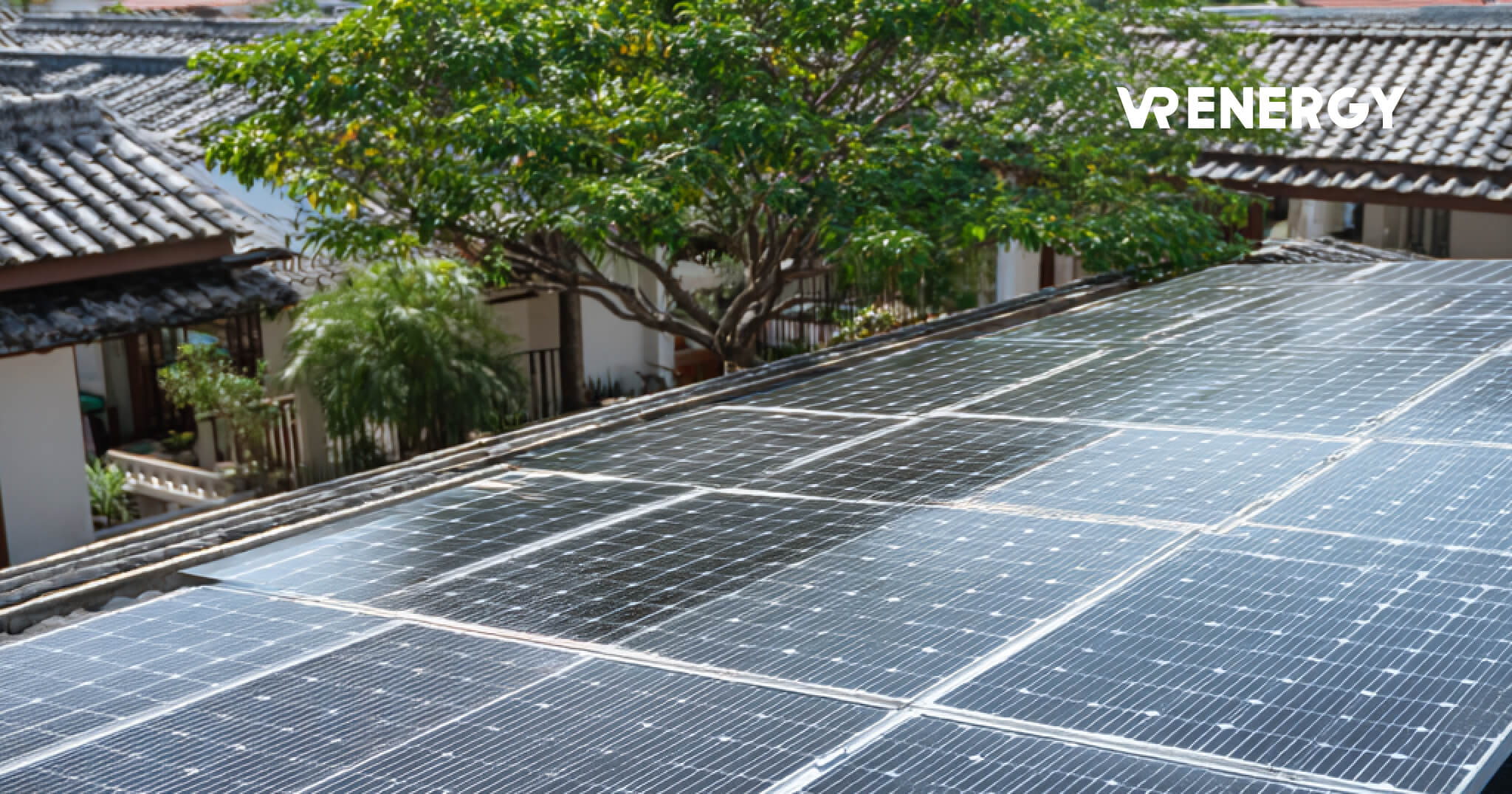
Polycrystalline panels are ideal for houses with large roof areas (30m² and above), where using many panels doesn’t cause space problems. This is common in rural areas or houses with large roof designs.
Poly panels can be flexibly installed on various roof types like tile, metal, or concrete roofs. This high adaptability makes poly panels a versatile choice.
Poly panel systems are designed to withstand harsh weather conditions (winds up to 200km/h, snow 5400Pa), including strong winds and heavy rain, ensuring stable operation in Vietnam’s climate conditions.
Simple Maintenance & Low Costs
Polycrystalline panels have relatively simple structure, leading to easier maintenance. Cleaning and periodic inspection can be performed simply without complex equipment.
Poly panel maintenance costs are typically reasonable (about 1-2% of investment cost/year) compared to other technologies. This includes component replacement costs and professional maintenance services.
With proper maintenance schedule, poly panels can maintain stable performance throughout product lifecycle without complex technical intervention.
Selection & Installation Guide for Poly Panels
Important Selection Criteria
Investment budget: Clearly determine available budget for solar system investment. Poly panels suit those prioritizing initial cost savings while wanting effective systems.
Available area: Assess roof area usable for panel installation. Poly panels need slightly more area than mono panels to achieve same capacity, but still within reasonable limits.
Geographical location: Consider climate conditions and sunshine amount in the area. Poly panels operate efficiently in areas with good and stable solar radiation.
Usage purpose: Determine main goal is saving monthly electricity costs or maximizing efficiency. Poly panels suit the goal of balancing efficiency and cost.
Installation Process
- Survey & design: Technical team will conduct actual site survey of roof conditions, measure area and assess load capacity. Then design systems suitable for specific needs and conditions.
- Permits & licensing: Complete installation permit procedures with EVN and relevant authorities. Includes grid connection registration and necessary legal procedures according to Decree 135/2024/ND-CP.
- Construction installation: Proceed with installing mounting frames, panels, inverters and cable systems. Ensure compliance with safety and technical standards.
- Testing & trial operation: Perform electrical safety checks, measure technical parameters and test systems to ensure stable operation.
- Handover & guidance: Hand over system to customers with usage instructions, maintenance guides and necessary warranty documents.
Choosing Reputable Suppliers
When selecting poly panel suppliers, consider factors like:
- Quality certifications: IEC 61215, IEC 61730, UL 1703
- Warranty policy: Minimum 10-year product warranty, 25-year performance warranty
- After-sales service: Wide maintenance network
- Market reputation: Operating experience, customer reviews
Evaluate pricing comprehensively, including product costs, installation and maintenance services to get best value for investment.
Maintenance & Optimizing Poly Panel Performance
Periodic Maintenance Schedule
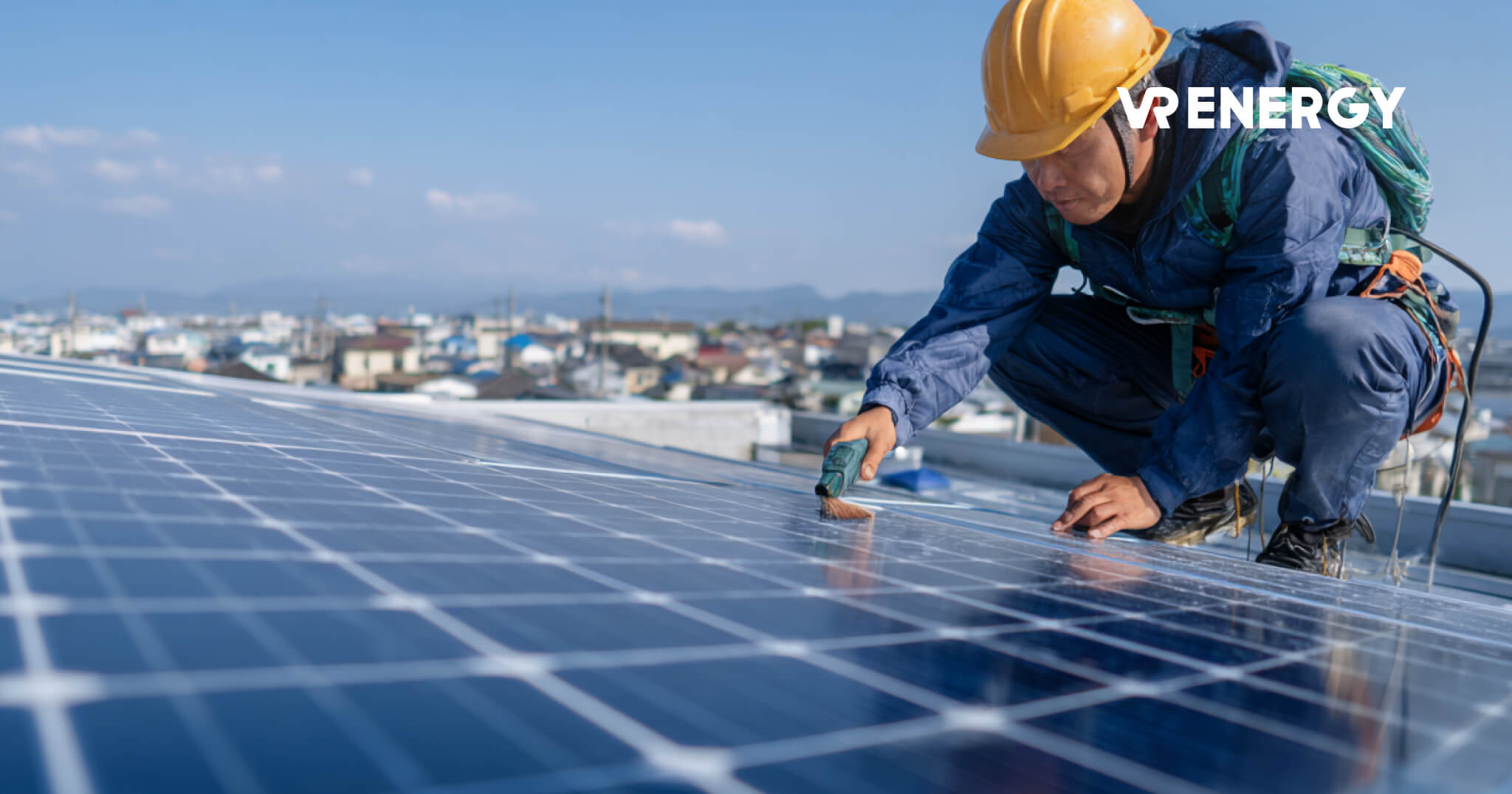
Monthly inspection: Visual observation of panel surface condition, check for dust, leaves or obstacles causing shading. Clean surface with clean water and soft brush when necessary.
Quarterly maintenance: Measure basic electrical parameters and check system operating condition. Check cable condition and connections to ensure no loosening or oxidation.
Annual inspection: Perform comprehensive system inspection including overall performance evaluation, connection system check and inverter condition. This is also appropriate time to evaluate if any maintenance or component replacement is needed.
Common Troubleshooting
Abnormal performance reduction: When detecting system showing signs of performance reduction (decrease more than 20% from normal), need to check causes which may be due to dust accumulation, shading or technical failures. Most cases can be resolved by cleaning or removing obstacles.
Cracks on panels: Small cracks on glass surface usually don’t severely affect performance immediately. However, need monitoring to assess spread level and decide replacement when necessary.
Inverter errors: Inverter is important component and may encounter failures. Most basic errors can be resolved by resetting system or checking electrical connections.
⚠️ SAFETY ADVISORY: When encountering technical failures, should contact suppliers or certified technicians for handling.
Technology Upgrades
PERC (Passivated Emitter and Rear Cell) technology has been applied to poly panels to improve efficiency by 1-2%. Upgrading to this technology can provide performance benefits.
Bifacial (dual-sided) panels are also an upgrade option, allowing energy collection from both sides of the panel, potentially increasing total electricity production by 5-20%.
After long usage periods (15-20 years), considering system upgrades may provide better efficiency compared to continuing use of old technology.
Frequently Asked Questions
Are Poly Panels Durable in Harsh Conditions?
Polycrystalline panels are designed to withstand harsh weather conditions including high temperatures (-40°C to +85°C), high humidity and strong winds. International standard tests show poly panels have high durability and long lifespan.
Poly panel resistance capability is particularly suitable for Vietnam’s tropical climate, which presents many weather challenges like intense heat, heavy rain and storms.
Should Poly Panels Be Combined with Battery Storage?
Combining poly panels with battery storage systems can provide benefits, especially ability to use electricity at night and during grid outages.
Need to consider additional investment cost for battery storage (additional 30-50% of system cost) compared to benefits provided. For areas frequently experiencing power outages or high evening electricity demand, this is worth considering.
Do Poly Panels Have Negative Environmental Impact?
Solar panels in general and poly panels specifically have positive environmental impact through reducing greenhouse gas emissions. Poly panel manufacturing process is also relatively environmentally friendly with energy payback time of about 1-2 years.
At end of lifecycle, poly panels can be recycled with high efficiency (90-95% materials), recovering most valuable materials. This contributes to circular economy and sustainable development.
Conclusion
Polycrystalline solar panels represent reasonable balance between efficiency, cost and reliability. With advantages in pricing, high adaptability and easy maintenance, poly panels are suitable choices for many Vietnamese households and businesses.
Understanding characteristics, advantages and disadvantages, and operating methods of poly panels will help you make appropriate investment decisions. When properly installed and maintained, poly panel systems can provide economic benefits and contribute to using clean, sustainable energy.
FINAL RECOMMENDATION: To achieve optimally operating poly panel systems, consult certified solar energy experts from VRenergy. Proper design suited to your house’s specific conditions will ensure highest investment efficiency and long-term satisfaction with the decision to switch to renewable energy.


 Xem thêm








