


The solar power system is one of the sustainable solutions to optimize clean energy sources. However, during the stormy season, this system faces many risks from strong winds, hail, lightning, and flooding, which can affect both the performance and lifespan of the equipment. Proactively protecting the solar power system not only ensures safety but also optimizes operating costs and extends usage time. In this article, we will explore essential measures to protect the solar power system during the stormy season, ensuring stable and efficient operation.
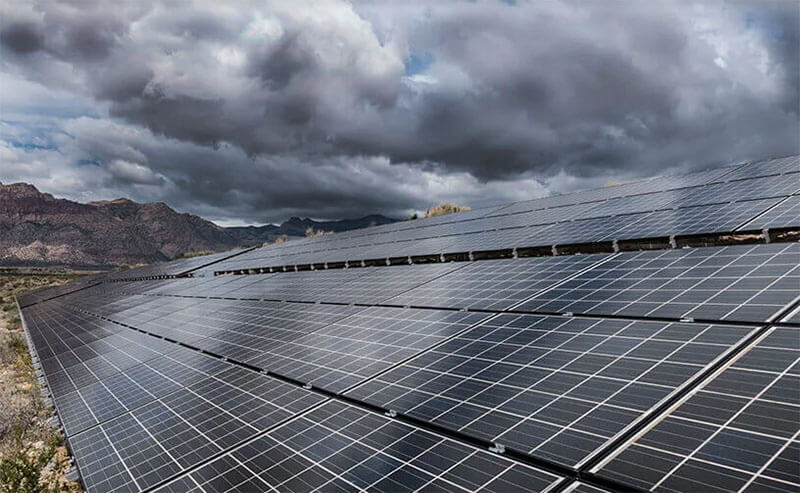
How Do Storms Affect Solar Panels?
Impact on Electricity Output
Rain, especially when accompanied by thick clouds, reduces the amount of sunlight reaching the panels, leading to a decrease in power output. On mildly cloudy days, efficiency may drop by about 10-25%, but with heavy cloud cover, the reduction can be up to 50%. This is because the diffused light through the cloud layer is not strong enough to optimally stimulate the photovoltaic cells. However, rain also brings an unexpected benefit: it helps wash away dust, pollen, and debris accumulated on the panel surface, keeping them cleaner and potentially more efficient after the rain.
Durability and Performance
Not only affecting power output, extreme weather like storms can physically damage solar panels. Strong winds can create uplift forces, increasing the risk of panels being displaced or even blown off the mounting structure. A typical example is Storm Arwen in November 2021, which destroyed hundreds of glass panels at the Low Burntoft farm near Wolviston, Teesside.
Additionally, flying debris during storms, such as tree branches or loose materials, can crack the panel surface, affecting efficiency due to microcracks in the silicon layer. Prolonged heavy rain accompanied by flooding can also damage the system. Although modern panels are designed to be waterproof, if water penetrates the electrical wiring or inverter, it can lead to short circuits, component corrosion, and reduced equipment lifespan. Storm DANA in Spain is an example where floodwaters damaged the cable insulation and significantly reduced the performance of the PV system.
Resistance Capacity
Despite facing many weather-related risks, modern solar panels are designed to withstand harsh conditions. They use tempered glass, aluminum frames, and vacuum back sheets to enhance durability against rain, wind, and even hail. Some panel models are tested to withstand wind speeds of up to 140 mph, making them suitable for areas prone to strong storms.
In general, while weather can affect the performance and lifespan of solar panels, with continuously improving technology, they remain a sustainable choice for solar power systems, even under severe weather conditions.
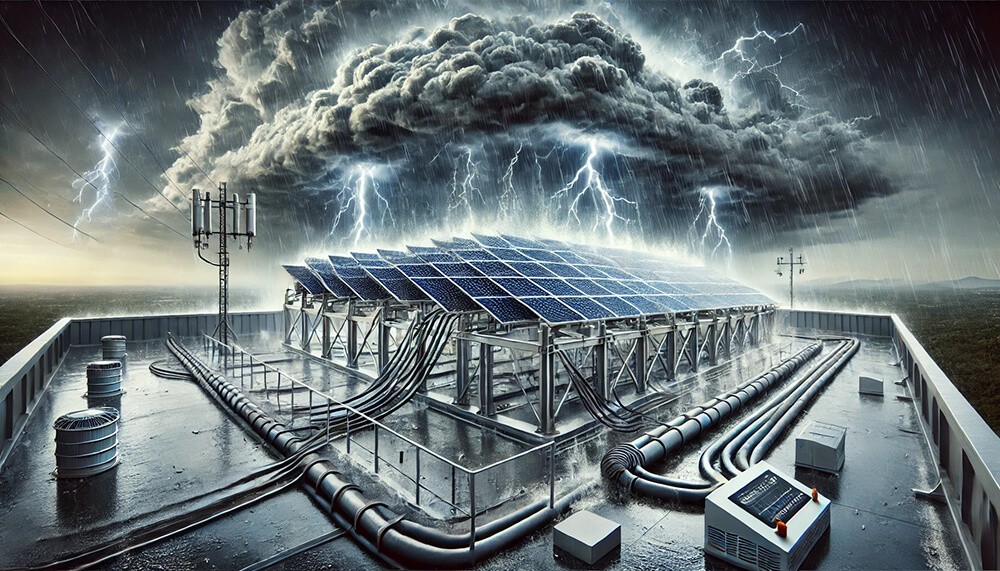
Measures to Protect Solar Power Systems During the Stormy Season
Although designed to withstand harsh weather, solar power systems can still be affected by heavy rain, strong gusts, and lightning strikes. Without proper protection, key components like panels, inverters, and mounting systems are susceptible to damage, causing operational disruptions. Therefore, it is essential to proactively reinforce and protect the system before the stormy season arrives.
Protection Against Rain and Flooding
Heavy rain not only impacts system performance but can also pose safety risks if water seeps into electrical equipment. Some important measures include:
- Seal all junctions and connection boxes thoroughly to prevent water intrusion, which can cause short circuits or component damage.
- Conduct regular inspections to detect signs of rust, cracks, or water leakage, especially after prolonged heavy rain.
- Choose a safe installation location, avoiding low-lying areas prone to flooding. If relocation is not possible, elevate the system to minimize the risk of rising water levels.
- Ensure proper drainage systems are in place, keeping gutters and drainage channels clear to prevent water accumulation around the installation area.
Although solar panels are water-resistant, other electrical equipment such as inverters are highly sensitive to moisture. Therefore, regular inspection and maintenance are essential.
Storm and Wind Protection
Strong winds, especially during major storms, can loosen the support frames, blow away the panels, or cause damage due to collisions with objects. To minimize risks, consider the following:
- Use solar panels that meet high wind resistance standards, featuring tempered glass to withstand impacts. Many systems today can endure gusts of over 200 km/h, comparable to standards in hurricane-prone areas like Florida.
- Reinforce the installation system, ensuring that the support frames and mounting brackets are securely anchored to the roof or ground, complying with local construction standards.
- Trim surrounding trees and clear objects that might be blown away by the wind to prevent debris from hitting and damaging the panels.
- Disconnect the power source before a storm arrives, turning off circuit breakers and safety switches to reduce the risk of electrical fires caused by power surges.
Some users choose to shield or disassemble panels during storms, but for fixed systems, the most important factor is that the initial installation design meets the required standards.
Lightning Protection
Lightning strikes can cause severe damage, even destroying the entire system if proper protection measures are not in place. To minimize risks, follow these steps:
- Properly ground the entire system, including the metal frames, support structures, and electrical devices. This helps safely direct lightning currents into the ground, protecting the equipment from damage.
- Install a lightning rod at the highest point near the system to attract strikes, reducing the risk of direct hits to the panels or inverters.
- Use surge protection devices (SPDs) for both AC and DC power to safeguard the system from electrical surges caused by lightning.
- Maintain a safe distance between DC wires and metal components on the roof to minimize the risk of electromagnetic induction during lightning events.
- Regularly inspect the grounding system to ensure that connections are free of rust and maintain good electrical conductivity.
Natural disasters are unavoidable, but with proper preventive measures, solar power systems can operate reliably even during rainy and stormy seasons. Regular maintenance not only reduces risks but also extends the system’s lifespan, ensuring a stable and safe power supply for households and businesses.
Protecting the solar power system during the rainy and stormy seasons not only minimizes the risk of damage but also ensures stable performance, extending the lifespan of the equipment. Proactively inspecting, reinforcing, and implementing safety measures such as water, wind, and lightning protection are essential, especially in areas frequently affected by extreme weather.
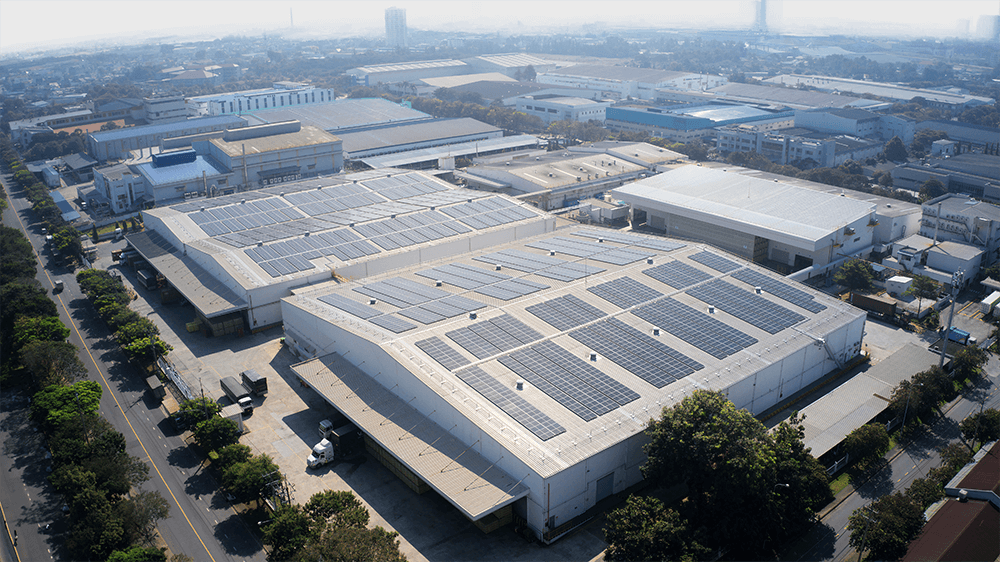
To ensure long-lasting operation, combine quality equipment selection, proper installation techniques, and regular maintenance. If you need in-depth support, don’t hesitate to contact VREnergy for suitable solutions. A well-protected solar power system not only gives you peace of mind during the rainy and stormy seasons but also maximizes economic and environmental benefits throughout its lifespan.


 Xem thêm








