


Solar Energy Equipment: Complete Catalog & System Selection Guide 2025
Rising grid electricity costs and increasing demand for clean energy have motivated many households and businesses to explore solar energy systems. However, selecting appropriate equipment from hundreds of products in the market is not simple.
This article provides comprehensive guidance on essential solar energy equipment, from main solar panels to supporting accessories, helping you build efficient systems and save long-term costs.
3 Popular Solar Energy System Types in Vietnam
Grid-Tied Systems (On-Grid) – Electricity Cost Savings Solution
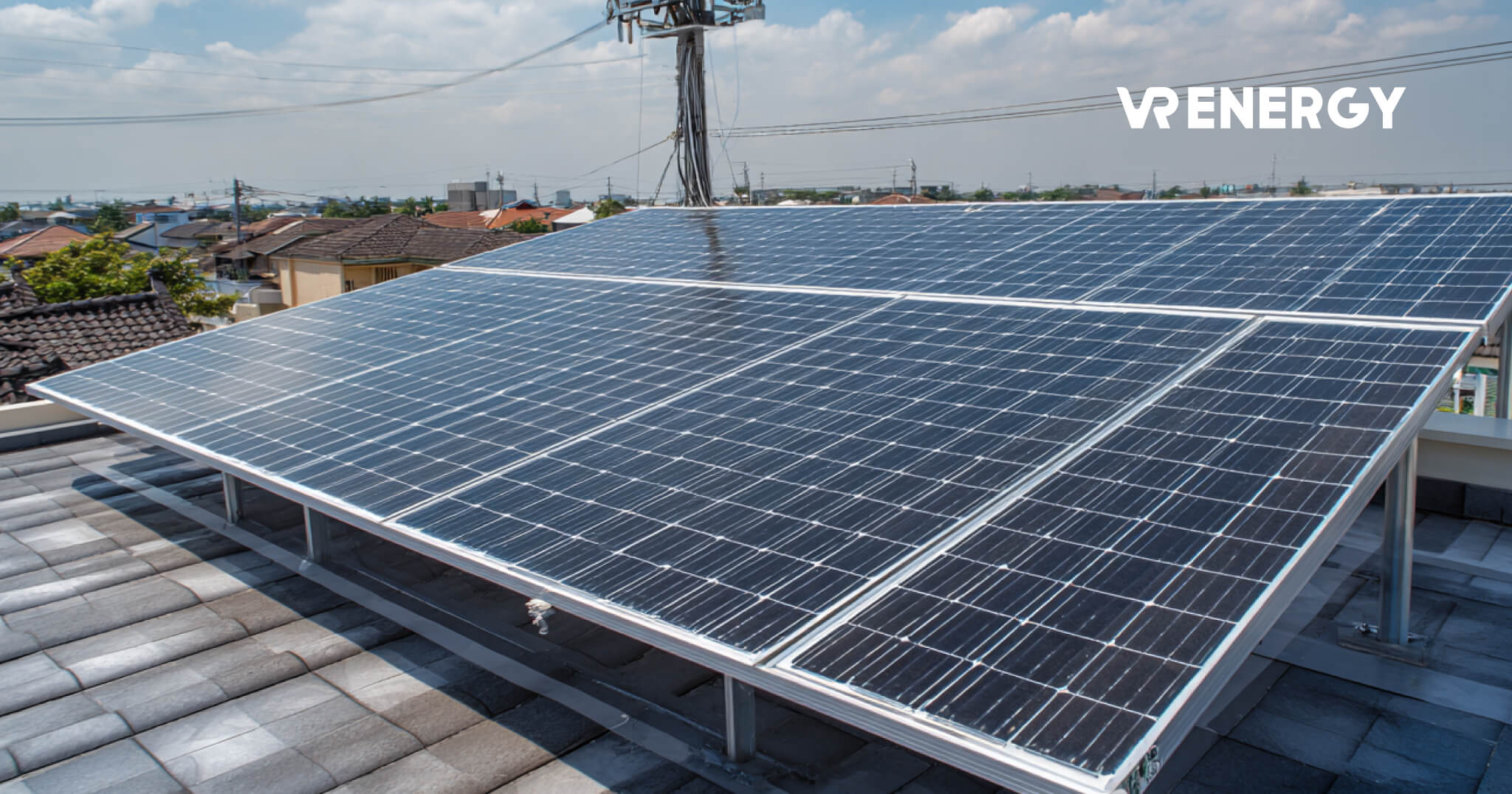
Grid-tied systems connect directly to the national electrical grid without requiring energy storage batteries. Electricity from solar panels is converted through inverters and used immediately or can be processed according to current policies when excess is generated.
Advantages:
- Lowest investment cost due to no battery storage requirement
- High efficiency with no energy losses through batteries
- Simple maintenance with fewer complex devices
- Can utilize excess electricity according to policies
Disadvantages:
- Does not operate during grid outages
- Dependent on energy policies
- No backup power source
Suitable for: Households and businesses in areas with stable electrical grids, prioritizing cost savings.
Off-Grid Systems – Energy Independence
Off-grid systems operate completely separate from the electrical grid, using battery storage to provide continuous electricity.
Advantages:
- Independent operation, not dependent on electrical grid
- Suitable for remote areas without grid electricity
- Complete energy autonomy
Disadvantages:
- High investment cost due to battery storage system comprising large proportion
- Requires careful calculation of battery storage capacity to meet demands
- More complex maintenance, especially for battery storage
Suitable for: Remote areas, resorts, telecommunications stations, areas without electrical grid.
Hybrid Systems – Combining Both Advantages
Hybrid systems combine grid-tied capabilities with energy storage, able to operate both with and without grid electricity.
Advantages:
- Saves electricity costs and provides backup power
- Flexible operation
- Optimizes energy usage
Disadvantages:
- Usually highest investment cost among residential system types
- Complex system requiring hybrid inverter
- Higher technical installation requirements
Suitable for: Premium households, businesses needing stable power supply, areas with frequent power outages.
Detailed Comparison Table of 3 System Types
| Criteria | Grid-Tied | Off-Grid | Hybrid |
| Investment cost | Lowest | High | Highest |
| Complexity | Simple | Medium | Complex |
| Backup power | No | Yes | Yes |
| Excess electricity handling | Policy dependent | No | Policy dependent |
| Suitable for | Cities | Remote areas | Flexible |
Main Equipment Catalog and Selection Criteria 2025
Solar Panels – The “Heart” of the System
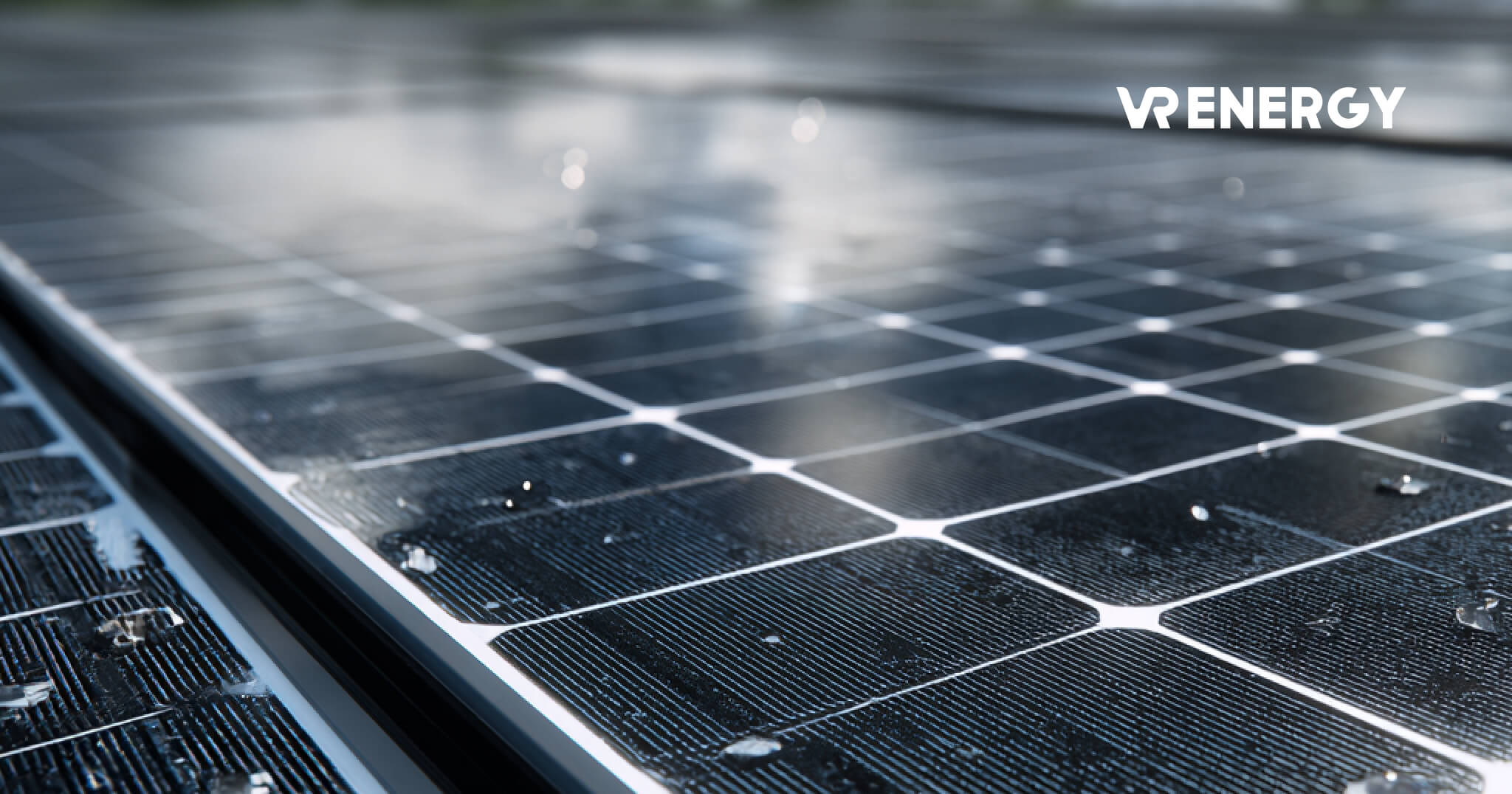
Comparison of 3 Popular Panel Technologies
Mono PERC (Monocrystalline PERC)
- Efficiency: typically achieves 20-22%
- Advantages: High efficiency, good performance in low-light conditions
- Disadvantages: Higher cost
- Suitable for: Limited roof area, high efficiency requirements
Polycrystalline (Poly)
- Efficiency: typically 15-19%
- Advantages: Affordable cost, stable technology
- Disadvantages: Lower efficiency, requires larger area
- Suitable for: Projects with wide roof areas, limited budgets
Thin-Film
- Efficiency: typically below 15%
- Advantages: Thin and light, flexible, less efficiency impact from temperature increase compared to crystalline silicon panels
- Disadvantages: Low efficiency, requires very large area
- Suitable for: Special applications, roofs with weight limitations
Reputable Solar Panel Brands
Highly rated solar panel brands in the market include:
- JinkoSolar: Brand with large global market share, stable quality products at competitive prices
- Longi Solar: Focuses on advanced technology, products typically have high efficiency
- Canadian Solar: Long-standing reputable brand with good customer support network
- JA Solar: Specializes in high-quality panel production with good reliability
- Trina Solar: Provides diverse products suitable for various needs
Choosing Solar Panels Suitable for Vietnam’s Climate
In tropical climate conditions like Vietnam, consider:
- Temperature coefficient: Choose panels with low temperature coefficient to minimize losses in hot weather
- Corrosion resistance: Prioritize panels with anodized aluminum frames and UV-resistant tempered glass
- Quality certifications: Prioritize panels meeting IEC 61215 and IEC 61730 standards. UL 1703 certification suitable for export projects or North American markets
Inverters – The “Brain” of Solar Systems
Inverter Classification by Function
String Inverter
- Advantages: Low cost, easy installation and maintenance
- Disadvantages: Reduced efficiency with partial shading
- Suitable for: Roofs without shading, small to medium systems
Micro Inverter
- Advantages: Optimizes individual panels, unaffected by shading
- Disadvantages: High cost, many devices requiring maintenance
- Suitable for: Complex roofs, with shading, high optimization requirements
Hybrid Inverter
- Advantages: Integrates battery charging, smart energy management
- Disadvantages: High price, more complex
- Suitable for: Hybrid systems, energy storage requirements
Reputable Inverter Brands
- Huawei: Famous for smart technology and good monitoring capabilities
- SMA: German brand with high quality and superior durability
- Growatt: Competitive price/performance ratio, suitable for many projects
- Sungrow: Provides diverse products from residential to industrial
- SolarEdge: Specializes in individual panel optimization solutions
Important Technical Criteria When Choosing Inverters
- Conversion efficiency: Prioritize high-efficiency inverters to minimize energy losses
- Number of MPPTs: More MPPTs help optimize when panels are installed in different directions
- IP Rating: Need good protection standards against water and dust in Vietnam’s weather conditions
- Certifications: Need international certifications and compliance with domestic standards
Battery Storage Systems – Continuous Energy
Battery Storage Classification by Technology
Lead-acid (AGM, GEL)
- Advantages: Low cost, mature technology
- Disadvantages: Shorter lifespan, lower efficiency
- Applications: Budget-limited systems, small capacity
Lithium (LiFePO4)
- Advantages: High lifespan, good efficiency
- Disadvantages: High investment cost
- Applications: Premium systems, high reliability requirements
Battery Storage Lifecycle Cost Comparison
| Battery Type | Price Characteristics | Charge Cycles | Lifespan | Notes |
| Lead-acid | Low | Limited | Shorter | Requires frequent replacement |
| LiFePO4 | High | Many | Long | Long-term costs may be lower |
Important Supporting Accessories & Components
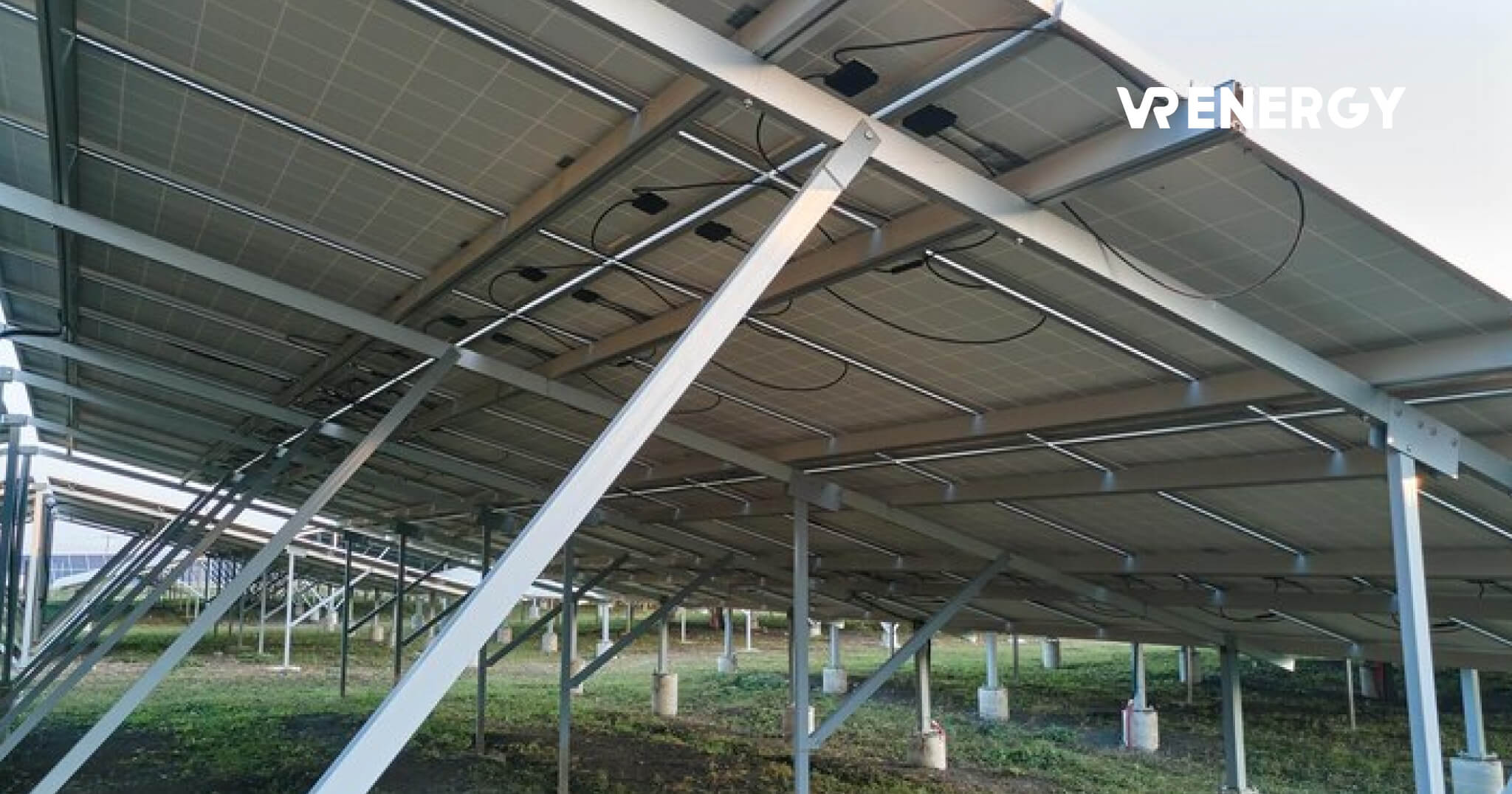
Mounting Frames & Installation Systems
Frame materials:
- Aluminum alloy: Light, good corrosion resistance
- Galvanized steel: Durable, cheaper but heavier
Installation methods:
- Sloped roofs: Use aluminum rails fixed parallel to roof
- Flat roofs: Need support frames with appropriate tilt angles
- Ground installation: Requires concrete foundation, sturdy steel frames
Protection & Safety Equipment
Lightning protection systems (SPD): Need SPD on both DC and AC sides to protect equipment from indirect lightning strikes.
Circuit breakers:
- MCB: AC circuit overload protection
- DC Breaker: DC circuit disconnection during maintenance
- RCBO: Leakage protection, important for rooftop systems
Grounding system: Need separate grounding for solar systems according to technical standards.
Monitoring & Control Systems
- Monitoring software: Most modern inverters have mobile applications to track electricity production, early fault detection
- Data logger: Device collecting operational data, sending alerts during failures
- IoT solutions: Smart systems can automatically adjust consumption loads based on solar panel production
Standard Installation Process & Important Notes
Step 1: Site Survey & System Design
Installation location assessment:
- Roof direction: Optimal is South-facing, Southeast and Southwest acceptable
- Tilt angle: Suitable for geographical location of each region
- Shading: Avoid shading from trees, tall buildings during sunny hours
Capacity calculation: Based on long-term electricity bills to determine average consumption needs, then calculate appropriate system capacity.
Step 2: Safe & Technically Correct Construction
Installation procedure:
- Install mounting frames and secure firmly
- Install panels on frames, ensuring safety distances
- Connect DC wiring according to correct polarity
- Install inverter in well-ventilated location, avoiding direct sunlight
- Connect AC to electrical panel according to residential electrical standards
Safety standards:
- Use specialized cables for solar systems
- Install independent grounding system
- Use complete protective equipment
Step 3: System Acceptance & Handover
Technical inspection:
- Test DC and AC voltages
- Check insulation
- Test inverter and monitoring system operation
Legal procedures: For grid-tied systems, need to complete procedures according to current regulations.
Important Notes for Installation in Vietnam
Tropical climate:
- Ensure good ventilation for inverters
- Use corrosion-resistant materials in humid environments
- Consider storm impact when designing mounting frames
Technical standards: Comply with electrical safety standards and solar system regulations.
Solar Energy System Investment Cost & Efficiency 2025
Cost Overview by Installation Capacity
Solar energy system costs depend on many factors:
- Small systems (3-5kW): Suitable for households with average electricity consumption
- Medium systems (5-10kW): Appropriate for households with high electricity consumption or small businesses
- Large systems (over 10kW): For businesses, factories with large electricity consumption needs
Profitability Analysis
Factors affecting efficiency:
- Current electricity consumption level
- Light conditions in the area
- Equipment quality and degradation over time
- Government support policies
Payback period: Usually varies depending on system type and specific project conditions.
Comparison with Traditional Grid Electricity
Long-term, solar energy systems have cost advantages with low operating costs after completing initial investment, while grid electricity costs tend to increase over time.
System Maintenance & Performance Optimization
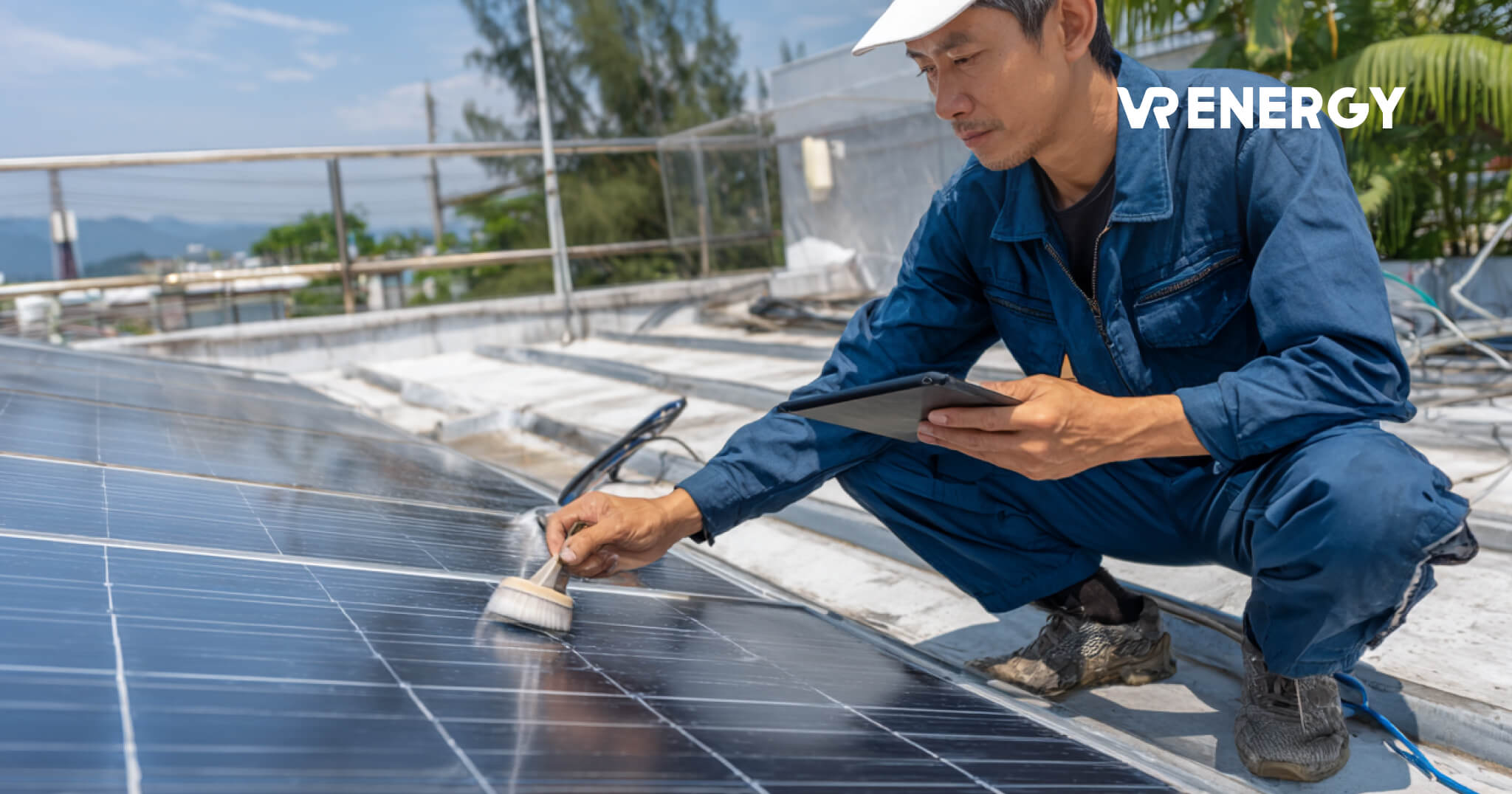
Regular Maintenance Schedule
Monthly:
- Check electricity production through monitoring applications
- Observe solar panel surface condition
Quarterly:
- Clean panels with clean water
- Check cable connections
- Check inverter operation
Annually:
- Comprehensive system inspection by technicians
- Measure performance and compare with design
- Maintain protection equipment
Common Troubleshooting
Reduced panel performance:
- Causes: Dirt, shading, panel damage
- Solutions: Clean, remove shading, replace damaged panels
Inverter errors:
- Causes: Overheating, connection errors, component failure
- Solutions: Improve ventilation, check connections, contact warranty service
System Upgrade & Expansion Capability
- System expansion: Can add panels if inverter has excess capacity and sufficient installation area
- Technology upgrades: Add battery storage or upgrade smart inverters for existing systems
Solar Technology Trends 2025-2030
Next-Generation Solar Panel Technology
- Perovskite panels: New technology being researched with high efficiency potential, but still needs time to stabilize durability
- Tandem panels: Combine multiple panel technologies to increase overall efficiency
- Transparent panels: Applications on windows and building glass, generating energy without obstructing views
Advanced Storage Solutions
- New battery technology: New storage battery types with high capacity and long lifespan being developed
- AI applications: Smart energy management systems using artificial intelligence to optimize operations
Market & Policy Forecasts
With manufacturing technology development, equipment costs tend to decrease over time. Renewable energy support policies are also being developed with attention.
FAQ – Frequently Asked Questions About Solar Energy Equipment
Equipment & Technology Questions
Which panels are best for Vietnam’s climate?
Mono PERC panels from reputable brands are suitable choices with high efficiency and good durability in tropical conditions.
What inverter type should I choose for residential systems?
String inverters from reputable brands typically meet household needs well with reasonable price/performance ratios.
Are LiFePO4 storage batteries worth investing in?
LiFePO4 batteries have high lifespan and good efficiency, suitable for systems requiring high reliability.
Cost & Efficiency Questions
What are solar energy system installation costs?
Costs depend on capacity, equipment quality, and installation methods. Need specific quotes from suppliers.
What is the actual payback period?
Payback period depends on many factors like electricity consumption level, light conditions, and support policies.
Can excess electricity be utilized?
Depending on current policies, users may benefit from excess electricity according to regulated mechanisms.
Installation & Maintenance Questions
Can solar be installed on metal roofs?
Yes, if roof structure is sufficiently strong. Technical assessment needed before installation.
Do systems operate noisily?
Inverters have slight noise when operating but typically don’t affect daily activities.
What is the average system lifespan?
Solar panels have long lifespans, inverters typically operate stably for many years. With proper maintenance, systems can operate efficiently for extended periods.
Towards Sustainable Energy Solutions
Choosing appropriate solar energy equipment requires careful consideration of usage needs, installation conditions, and investment budget. With continuous technology development, solar energy solutions are becoming increasingly efficient and economical.
To make accurate investment decisions, consulting experts and reputable suppliers will help you get optimal systems that meet long-term energy needs sustainably and economically.


 Xem thêm








