


Thin-film solar cells are emerging as a promising renewable energy technology, offering unique advantages over traditional panels. With design flexibility, reasonable production costs, and stable performance in harsh conditions, this technology is attracting attention from investors and businesses.
What Are Thin-Film Solar Panels?
Thin-film solar panels use extremely thin layers of semiconductor materials (1-4 micrometers) to convert sunlight into electrical energy. Unlike traditional silicon panels with thickness of 150-200 micrometers, thin-film panels significantly save materials and production costs.
Current market position (2024):
- Account for 11.2% of global solar panel market
- 18% growth compared to 2023
- Forecast to reach 15% market share by 2030
3 Dominant Thin-Film Technologies
CdTe (Cadmium Telluride)
- Commercial efficiency: 16-18%
- Production cost: $0.40-0.50/Wp
- Advantages: Low cost, simple manufacturing process
- Applications: Large-scale projects
CIGS (Copper Indium Gallium Selenide)
- Commercial efficiency: 15-17%
- Production cost: $0.60-0.80/Wp
- Advantages: High flexibility, can be curved
- Applications: BIPV, special designs
a-Si (Amorphous Silicon)
- Commercial efficiency: 6-8%
- Production cost: $0.30-0.40/Wp
- Advantages: Lowest cost, good performance in low light
- Applications: Small electronic devices
Outstanding Advantages
1. Stable Performance at High Temperatures
Temperature coefficient 15-25% better than silicon panels:
- CdTe panels: -0.25%/°C
- Silicon panels: -0.45%/°C
- Benefit: Maintain 8-12% higher efficiency in tropical climates
2. Design Flexibility & Lightweight
- Weight: 1.5-2.5 kg/m² (vs 11-13 kg/m² silicon panels)
- Load reduction: 75-85%
- Bending radius: 2-5 cm
- Applications: BIPV, old roofs, special architectural designs
3. Low Production Costs
- Use 95% less material than silicon panels
- Save 40-60% production energy
- Highly automated roll-to-roll process
4. Good Performance in Low Light
- CdTe panels maintain 85-90% efficiency at 200W/m²
- Silicon panels only maintain 70-75% under same conditions
- Effective in early morning and evening
Limitations to Consider
1. Lower Efficiency
Commercial efficiency comparison:
- Monocrystalline silicon panels: 20-22%
- CdTe panels: 16-18%
- CIGS panels: 15-17%
- Require 20-40% more area to achieve same capacity
2. Recycling Challenges
- CdTe contains toxic cadmium
- Recycling cost: $15-20/ton
- Currently only 12 specialized recycling facilities globally
3. Limited Vietnam Market
- Market share: <2%
- Number of distributors: 3-5 companies
- Shorter warranty: 10-15 years (vs 20-25 years silicon)
Comprehensive Comparison
| Criteria | CdTe Panels | CIGS Panels | Silicon Panels |
| Efficiency | 16-18% | 15-17% | 20-22% |
| Cost ($/Wp) | 0.40-0.50 | 0.60-0.80 | 0.55-0.75 |
| Weight | 1.8-2.2 kg/m² | 2.0-2.5 kg/m² | 11-13 kg/m² |
| Temperature coefficient | -0.25%/°C | -0.36%/°C | -0.45%/°C |
| Flexibility | High | Very high | Low |
Practical Applications
BIPV (Building Integrated PV)
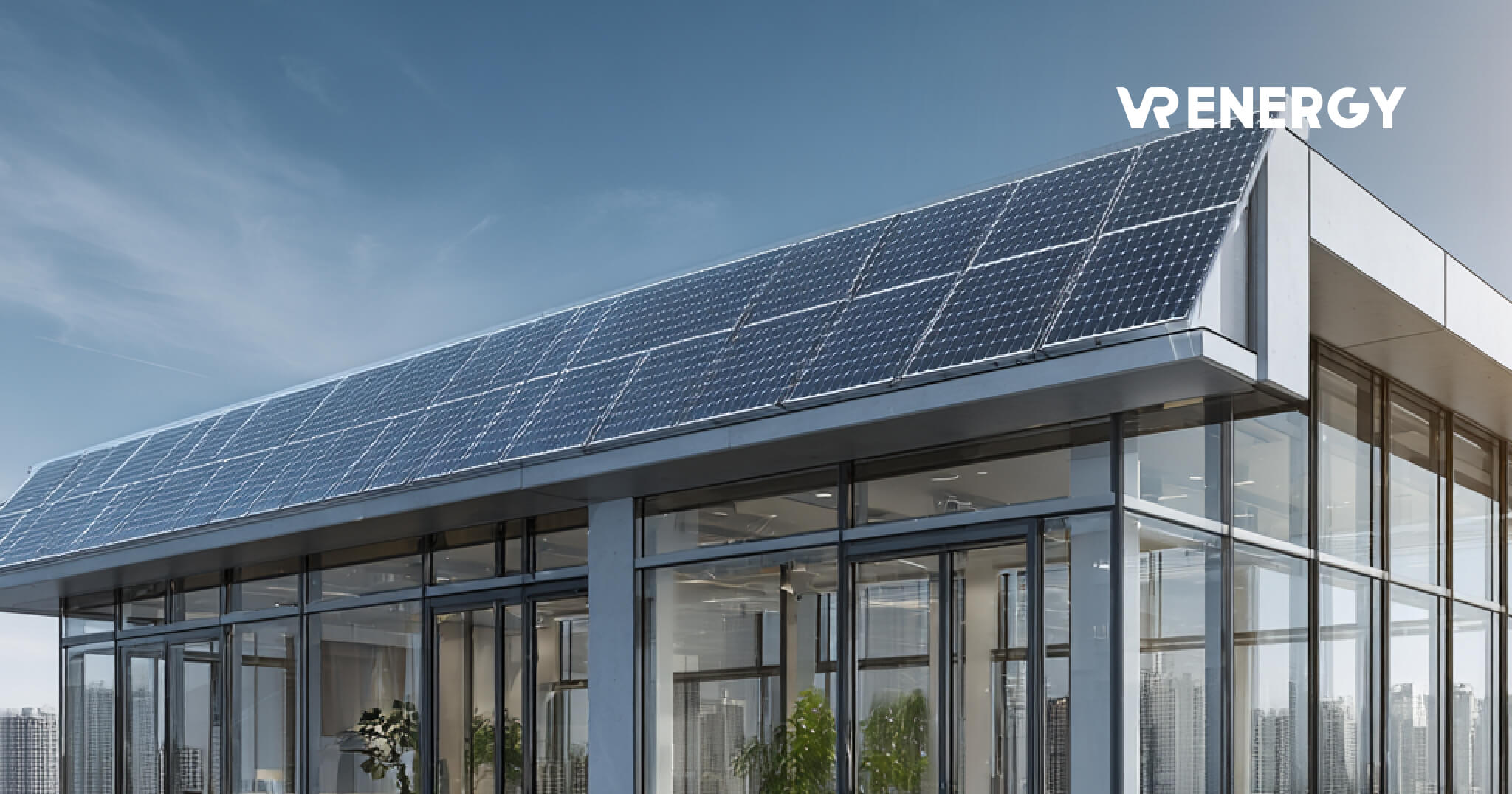
- Market: $2.8 billion USD (2024) → $8.1 billion USD (2030)
- Thin-film panels account for 65% of BIPV market share
- Applications: Roofs, walls, solar windows
Transportation & Mobile
- Electric vehicles: Energy supplement, weight reduction
- Mobile devices: Backpacks, power banks
- Drones & UAV: Extended flight time
Remote Areas
Successful projects in Vietnam:
- Ly Son Island: 450kWp CdTe (2023)
- Sapa School: 50kWp CIGS (2024)
Economic Analysis
Example: 5kWp System in Ho Chi Minh City
Required area:
- CdTe panels (17%): 37.2 m²
- Silicon panels (20%): 31.6 m²
- Difference: +17.7%
20-year cost comparison (TCO):
- CdTe: 91 million VND
- Silicon: 107.3 million VND
- Savings: 16.3 million VND
Selection Guide

Choose Thin-Film Panels When:
- Have wide land area and low land costs
- Prioritize initial investment costs
- BIPV applications or special designs
- High-temperature areas (>30°C frequently)
- Lightweight requirements
Don’t Choose When:
- Limited installation area
- Prioritize maximum efficiency
- Areas without specialized maintenance services
Future Trends
Perovskite Technology
- Record efficiency: 26.7% (Oxford PV, 2024)
- Target cost: $0.20-0.30/Wp
- Challenge: Durability only 2-5 years
AI & IoT Integration
- AI weather forecasting: Increase efficiency 8-12%
- Predictive maintenance: Reduce downtime 25-35%
FAQ
Q: Are thin-film panels suitable for Vietnam’s climate?
A: Very suitable. Perform 8-12% better than silicon panels when temperature >35°C and withstand high humidity.
Q: Cost compared to traditional panels?
A: Save 15-25% initial cost but require 20-40% more area.
Q: What about lifespan?
A: CdTe/CIGS: 20-25 years, a-Si: 15-20 years. Product warranty 10-12 years.
Conclusion
Thin-film solar panels are worth considering for projects with special requirements for design flexibility, low cost, and heat resistance. Although efficiency is 15-25% lower than silicon panels, advantages in lightweight, production costs, and tropical climate adaptation make this technology suitable for many applications in Vietnam.
Recommendation: Carefully evaluate specific project conditions to decide whether to use thin-film panels, paying special attention to area factors and long-term budget.
Disclaimer: Information is for reference purposes. Please consult experts from VRenergy before investing.


 Xem thêm








