


MWT (Metal Wrap Through) technology is a breakthrough innovation in the solar industry, designed to significantly improve photovoltaic cell performance by minimizing cell surface shading and optimizing electrical conductivity.
This development not only changes the way we produce photovoltaic panels, but also opens up new approaches for scientists and investors to utilize renewable energy sources more efficiently.
Discover how this technology works and why it is becoming an indispensable element in the future of the solar industry.
What is MWT (Metal Wrap Through) technology?
MWT technology, short for Metal Wrap Through, is a breakthrough method in the field of photovoltaic cell manufacturing. This process focuses on improving efficiency by reducing the covering of the cell surface and enhancing electrical conductivity.
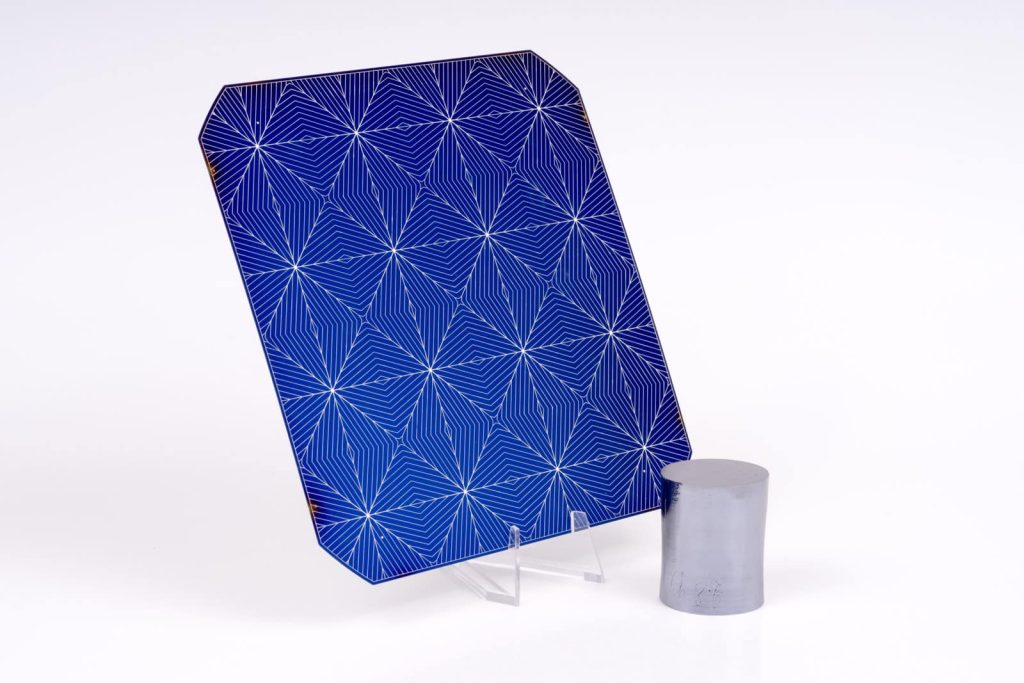
MWT technology not only optimizes the light harvesting process but also ensures that each cell has a higher power generation capacity, thereby contributing to the efficiency of solar projects. This technology brings great opportunities for manufacturers and investors in developing sustainable and efficient energy solutions.
What are the benefits of MWT solar technology?
Metal Wrap Through (MWT) solar cell technology brings significant benefits to the renewable energy industry. With its special design, MWT maximizes the surface area exposed to sunlight by moving the electrode to the back of the cell.
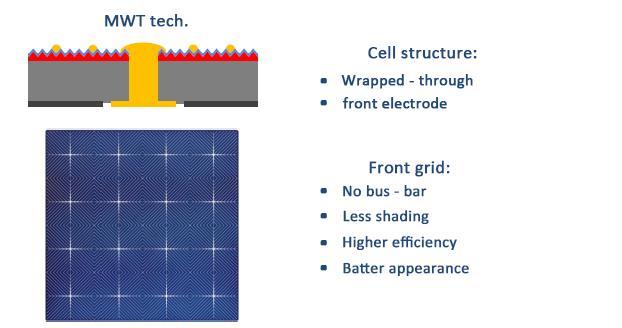
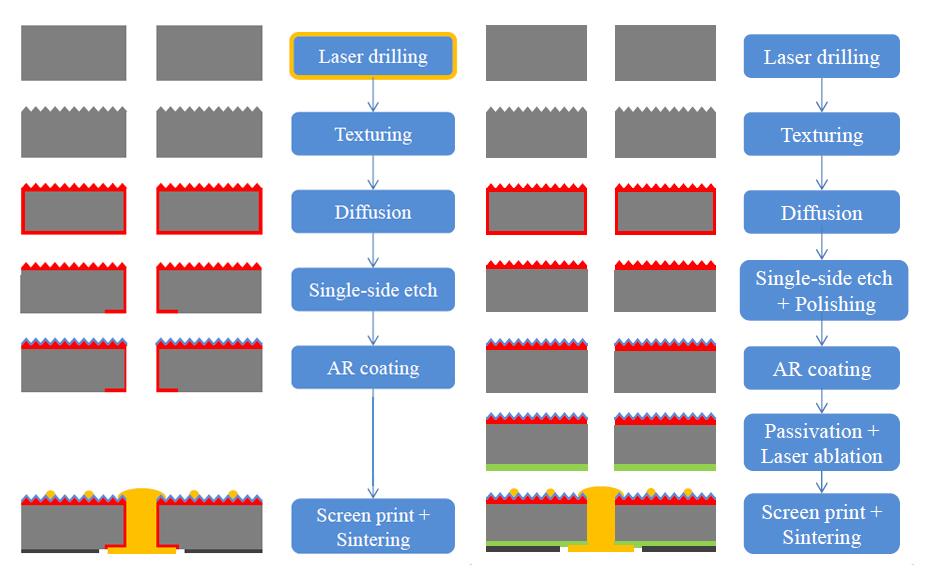
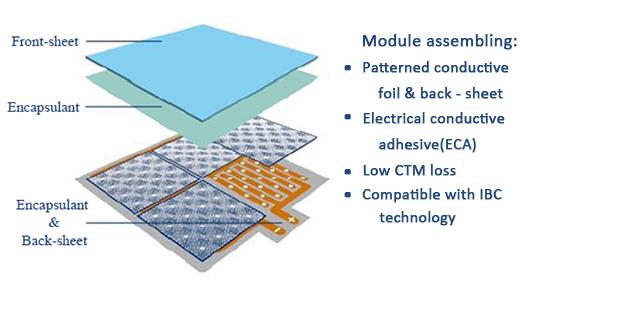
This not only reduces the shading caused by the electrode on the front surface but also improves the efficiency of converting light into electricity. This results in an increase in the overall efficiency of the panel, reducing energy loss while maintaining the economics of production. MWT technology, therefore, not only increases the amount of electricity produced but also supports the reduction of product costs in the long term.
High performance
MWT technology is known for its ability to increase energy conversion efficiency compared to traditional technologies. By placing the electrodes on the back side, MWT minimizes the covering of the light-exposed surface, thereby optimizing the light absorption process and increasing power generation efficiency.
Reliability
MWT photovoltaic cells improve durability and lifetime due to the construction and materials used. The rear electrode arrangement not only protects sensitive components from environmental factors but also minimizes functional degradation over time.
Expense
Although the initial cost of MWT technology may be higher due to manufacturing complexity, the investment value is offset by the long-term benefits in performance and durability, and reduced maintenance and replacement costs.
Flexibility
MWT technology allows flexible application on many different types of photovoltaic panels, supporting maximum product customization according to the specific needs of solar energy projects, from civil to industrial.
These features make MWT an attractive option in the development and deployment of efficient and sustainable solar energy systems.
Applications of MWT technology in the renewable energy industry
In the production of solar panels
MWT (Metal Wrap Through) technology is becoming an important factor in the solar panel manufacturing industry. With the ability to optimize efficiency and minimize energy loss, MWT is applied to many different types of panels, from monocrystalline panels to polycrystalline panels.
Monocrystalline Solar Panels: For this type of panel, MWT helps reduce electrical resistance and increase electrical conductivity, helping to improve the efficiency of the panel. This technology allows the design of conductive paths inside the panel, reducing the area of the surface that is obscured and optimizing light absorption.
Polycrystalline Solar Panels: MWT offers similar benefits to polycrystalline panels. By reducing energy losses at the connections between the solar cells, these panels can achieve higher efficiencies than traditional designs. This technique increases the durability and longevity of the panels, making them an attractive option for large renewable energy projects.
Other areas besides solar energy
MWT is not only limited to the solar energy field but also has the potential for wide application in many other industries.
- Wind Energy: MWT technology can be applied to the production of key components of wind turbines, helping to optimize the efficiency of converting wind energy into electricity. Reducing energy losses and increasing the operating efficiency of these components can lead to a significant increase in the productivity of the entire system.
- Geothermal Energy: In the geothermal energy industry, MWT can be used to improve the equipment that converts thermal energy into electrical energy. This technique helps to optimize the heat transfer process and increase the operating efficiency of the geothermal system.
- Hydropower: MWT technology also has potential applications in the hydropower industry, especially in the design and manufacture of electronic and mechanical components of hydropower plants. The application of MWT can help reduce energy losses and increase the operational efficiency of these systems.
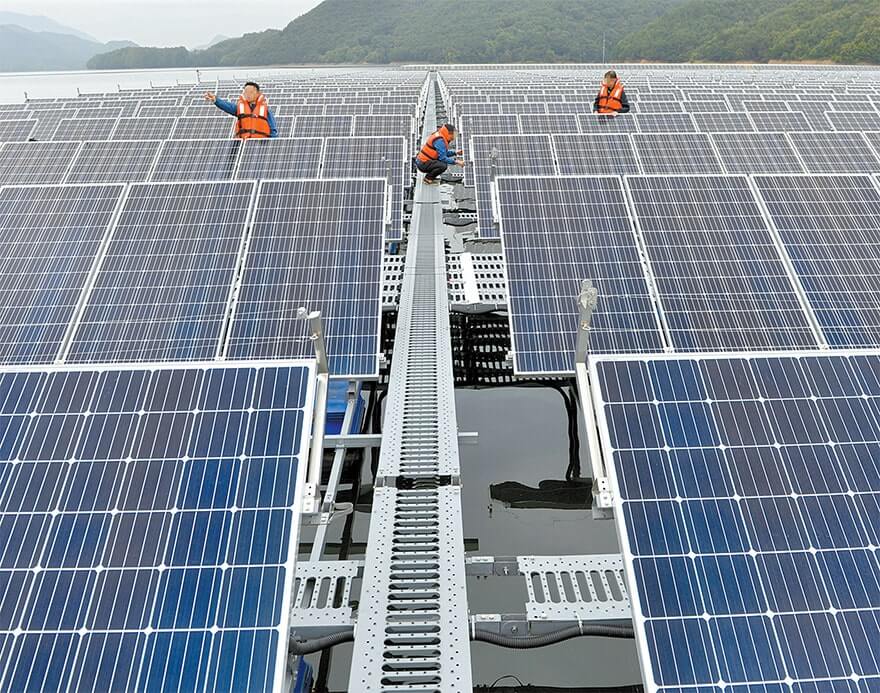
MWT technology is opening up many new opportunities for the renewable energy industry, not only in the production of solar panels but also in many other fields. With advantages in efficiency and durability, MWT promises to be an important factor in the development of clean and sustainable energy sources in the future.
Conclude
Now that you know what MWT technology is, let’s apply it to see the effectiveness. Hopefully today’s article is really useful for you, especially helping you better understand how MWT technology improves efficiency in solar panel manufacturing and other renewable energy fields.
For those of you working in the renewable energy industry, MWT technology will certainly be an important tool and significantly increase the efficiency of your work.


 Xem thêm








