


Self-produced and self-consumed solar power not only helps optimize electricity costs but also contributes to reducing pressure on the national grid, moving towards a sustainable energy solution.
This is a model that many households and businesses are interested in thanks to its ability to utilize solar energy to serve on-site electricity consumption needs, instead of relying entirely on grid electricity. With dual economic and environmental benefits, self-produced and self-consumed solar power is gradually becoming a popular trend in the field of renewable energy.
In this article, VREnergy will provide you with a comprehensive overview of the self-generating and self-consuming solar power system, from the operating principles, implementation steps to the practical benefits that this model brings. You will discover how to optimize the system for maximum efficiency, and receive useful advice from industry experts.
What is self-produced and self-consumed solar power?
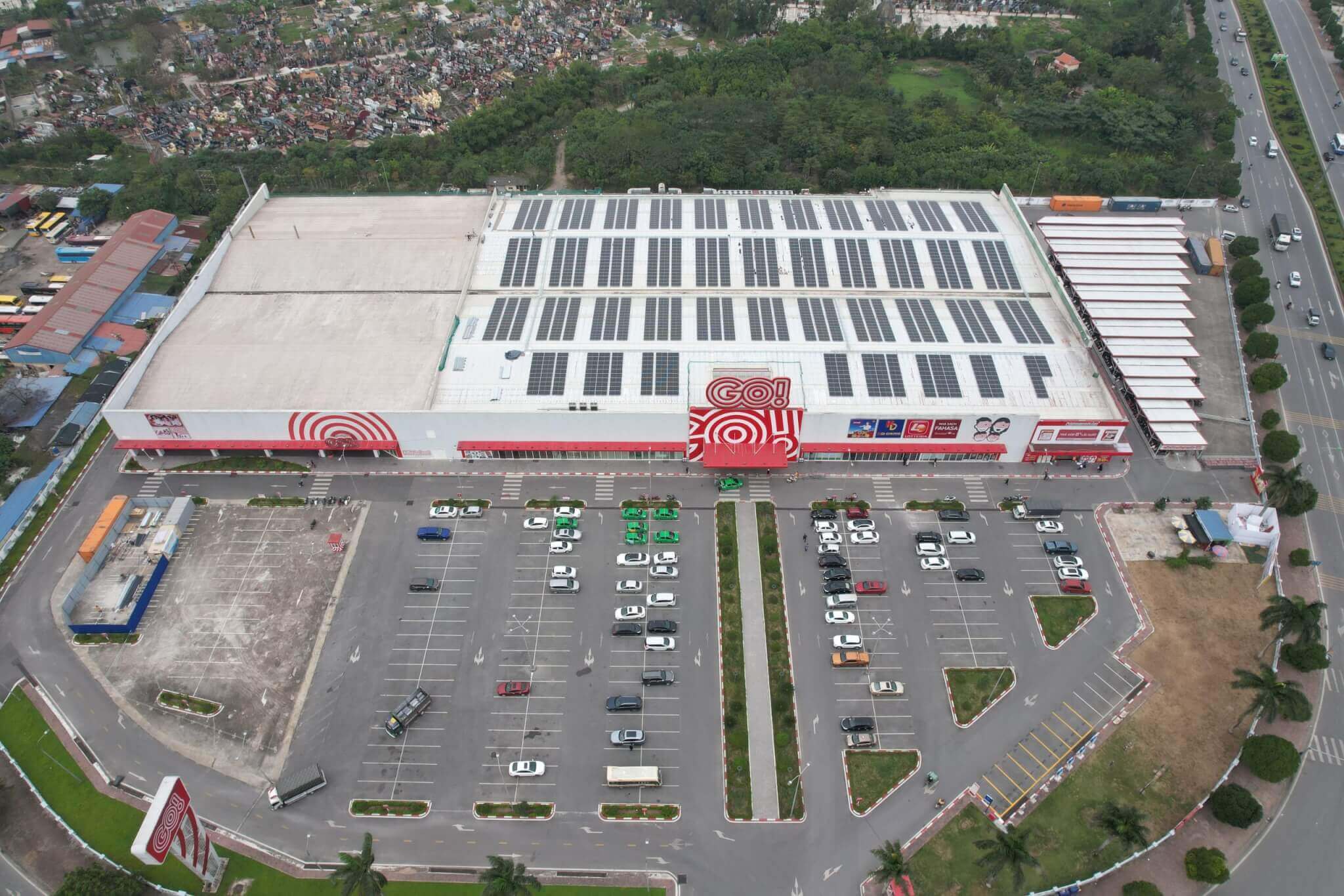
Self-produced and self-consumed solar power is becoming a sustainable energy solution for many households and businesses. This is a model that uses solar energy to produce electricity for on-site consumption, helping to reduce electricity costs and limit dependence on the national grid.
Overview of self-produced and self-consumed solar power
The self-generating and self-consuming solar power system operates on the principle of maximizing the use of renewable energy sources to directly supply electricity to consuming devices. Instead of selling electricity to the grid like the traditional grid-connected solar power model, this model helps optimize the amount of electricity generated for internal use, thereby bringing significant economic and environmental benefits.
Characteristics of self-producing and self-consuming solar power systems
- Self-consumption of electricity on-site : All solar power generated is prioritized for immediate use in daily life or production, helping to reduce monthly electricity bills.
- Grid-independent : The system operates independently or in conjunction with the national grid, helping to reduce pressure on supply and ensure a stable power supply.
- Long-term cost savings : Although the initial investment cost is high, in the long run, self-produced and self-consumed solar power helps significantly reduce operating costs and electricity bills.
- Environmental protection : Using solar energy helps reduce CO₂ emissions, contributing to environmental protection and towards sustainable development.
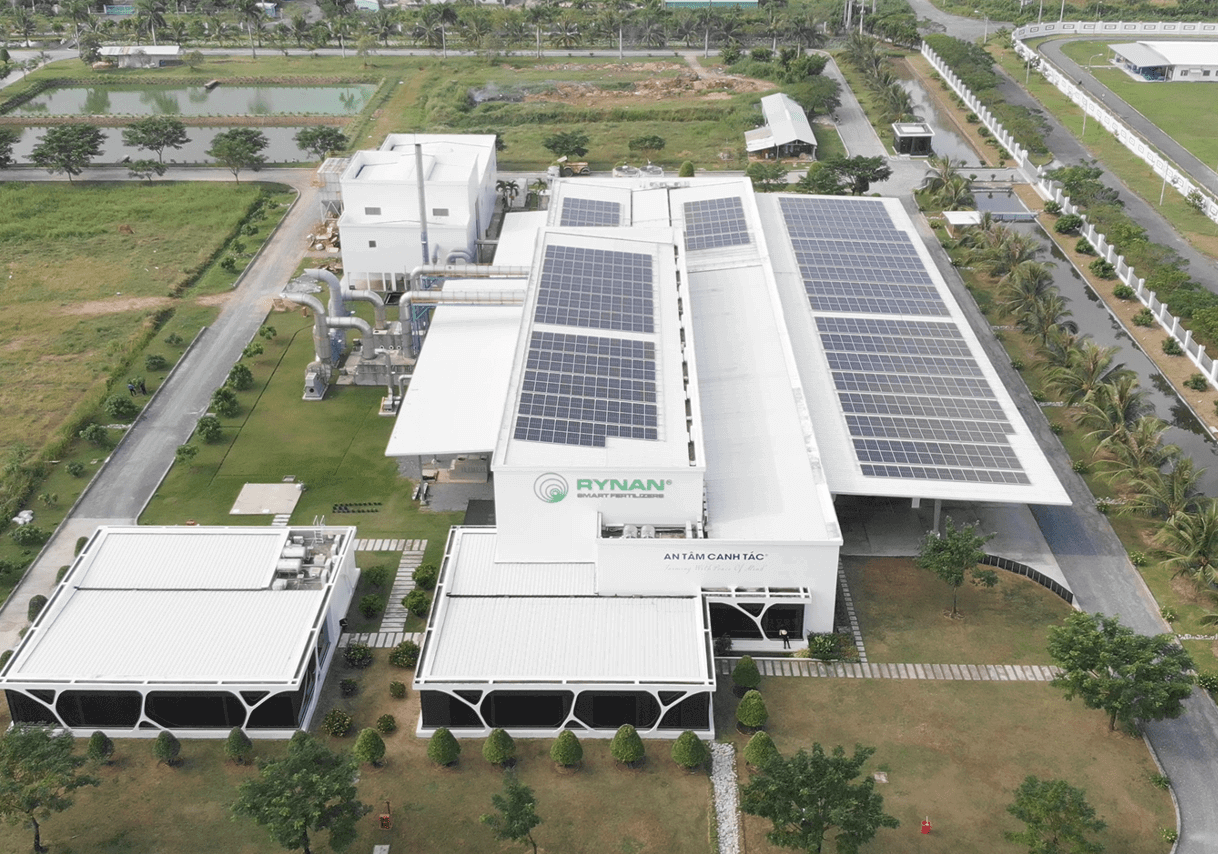
Thanks to its outstanding advantages, the self-produced and self-consumed solar power model is increasingly widely applied, becoming one of the effective solutions for the green energy future.
How does a self-generating, self-consuming solar power system work?
The self-generating and self-consuming solar power system is designed to optimize solar energy sources, helping users make the most of the electricity generated without depending on the national grid. This helps to significantly reduce electricity costs and increase initiative in energy use.
Structure of self-producing and self-consuming solar power system
A basic self-generating and self-consuming solar power system includes the following main components:
- Solar Panels : Absorb sunlight and convert it into direct current (DC).
- Inverter : Converts direct current (DC) from solar panels into alternating current (AC), suitable for electrical appliances used in homes or businesses.
- Charge Controller (if storage is available) : Controls and manages the amount of power stored in the backup battery (if the system has a battery).
- Battery (optional) : Stores electricity for use when it is dark or when solar power output is insufficient.
- Smart monitoring system : Monitor power generation, consumption and system performance.
Instructions for implementing self-producing and self-consuming solar power systems
Step 1: Assess electricity consumption needs
Assessing electricity consumption is the first and most important step to ensure that the self-generating and self-consuming solar power system has the appropriate capacity for actual usage needs. Accurately determining electricity consumption helps optimize investment costs and ensure operational efficiency.
Factors to consider:
- Average monthly electricity consumption : Determine the amount of electricity consumed from the electricity bill or electricity meter.
- Electrical equipment used : List electrical equipment in your home or business, including power consumption and daily usage time.
- Peak power consumption times : Identify time frames with highest power consumption to optimize system capacity.
- Roof conditions and installation space : Evaluate the roof area or installation area to ensure sufficient space for solar panels.
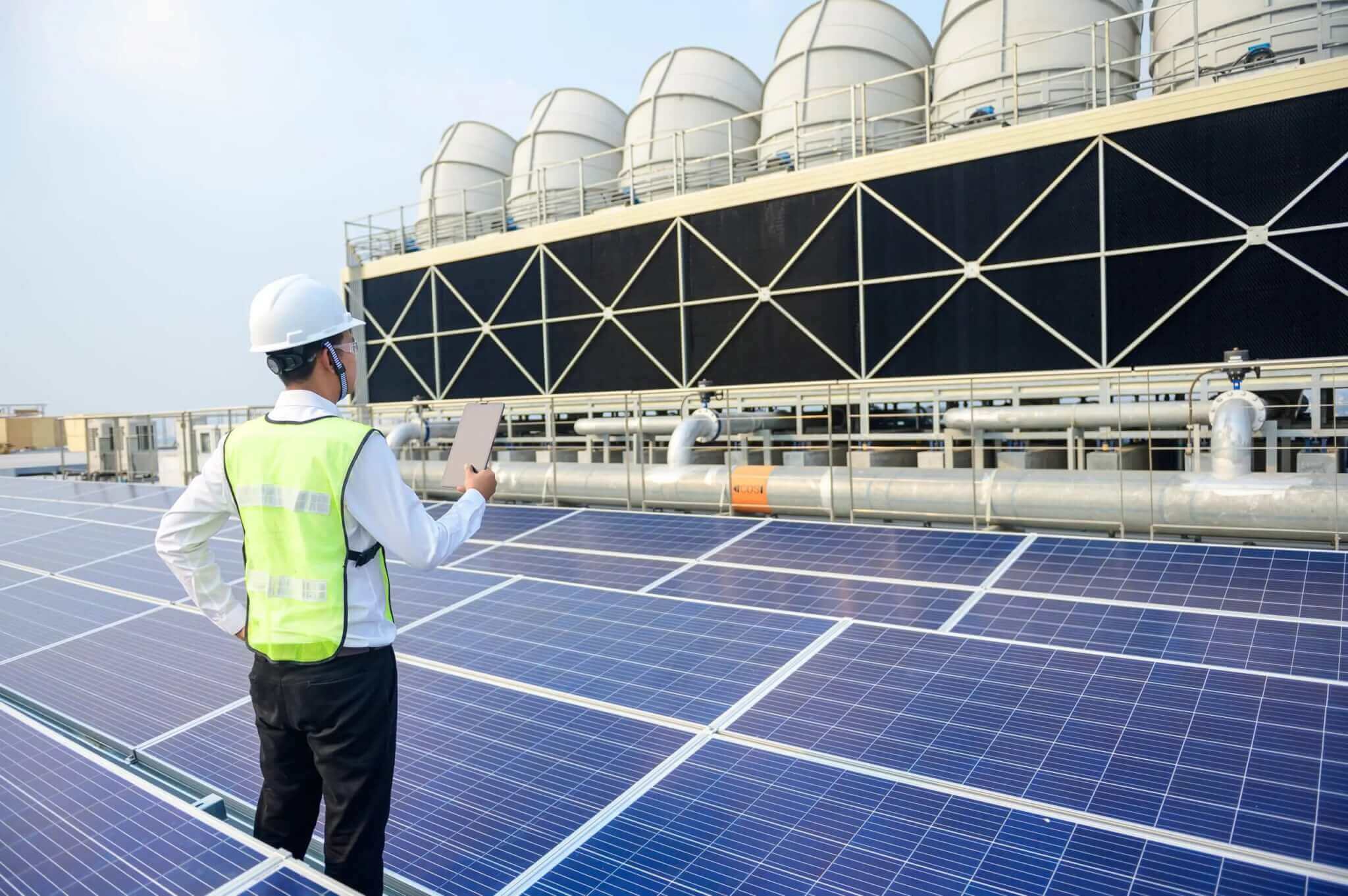
Benefits of accurately assessing electricity consumption:
- Helps to choose the right system capacity, avoiding waste or shortage of electricity.
- Optimize investment costs, minimize payback period.
- Ensure the system operates stably and meets electricity needs for a long time.
Step 2: Choose the right solar panel and equipment
After determining your power consumption needs, the next step is to select the right equipment to optimize system performance.
Choosing solar panels:
- Solar panel type : Currently there are two popular types: Mono-crystalline and Poly-crystalline , in which Mono has higher efficiency but is also more expensive.
- Solar panel capacity : Choose solar panel capacity based on installation area and power consumption.
- Conversion efficiency : Prioritize high-efficiency panels to maximize the amount of electricity generated.
- Reputable brands : Choose products from manufacturers with quality certification to ensure longevity and performance.
Inverter selection:
- Suitable capacity : Choose an inverter with a capacity corresponding to the total capacity of the solar panels.
- Conversion efficiency : Prioritize inverters with high efficiency (>95%) to reduce power loss.
- Smart Features : Inverters with built-in remote monitoring make it easier to monitor system performance.
Other supporting devices:
- Charge controller (if there is a storage battery) : Ensures that the current is charged and discharged properly, prolonging battery life.
- Storage battery (optional) : If you want to use electricity at night or during a power outage, you can install an additional Lithium-ion or Gel storage battery.
- Electrical wiring, circuit breakers, lightning protection : Helps protect the system and ensure electrical safety.
Choosing the right equipment not only helps the system operate stably but also improves performance and reduces maintenance costs in the long run.
Step 3: Install the system and connect electricity
Proper installation is a decisive factor in the efficiency and longevity of a self-generating and self-consuming solar power system. The installation process must comply with technical standards to ensure safety and optimize performance.
System installation steps:
- Prepare the installation surface : Check the roof or installation area, ensure enough space and roof strength.
- Install the bracket : Fix the solar panel bracket firmly, adjust the tilt angle appropriately to maximize the amount of light absorbed.
- Mount the solar panel : Fix the panel on the bracket, making sure it faces the direction with the most sunlight.
- Wiring system connection : Connect wires from solar panels to inverter, from inverter to main electrical box.
- Install the inverter and supporting equipment : Place the inverter in a dry, cool place to ensure operating performance.
- Connect to the grid (if required) : If the system has grid-connected mode, it is necessary to connect to the grid according to the regulations of the electricity industry.
- Electrical safety test : Measure voltage and current parameters, check anti-leakage system and safe grounding.
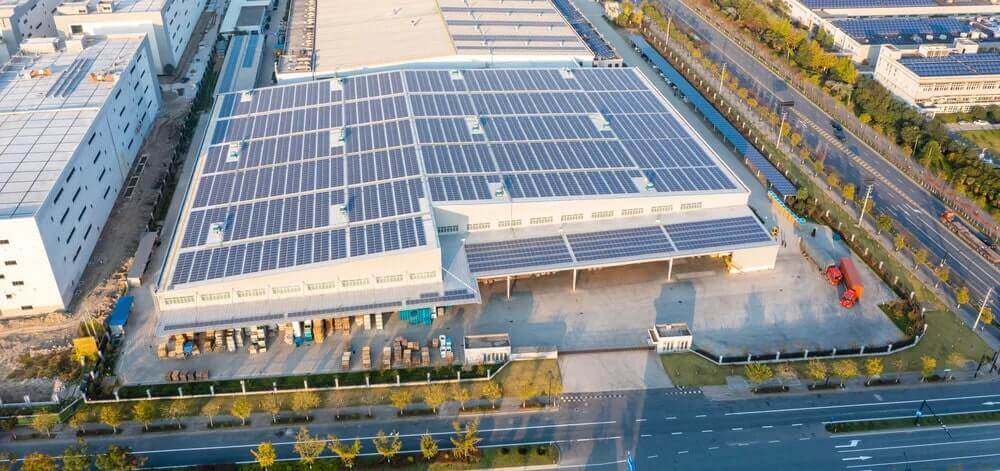
Important notes when installing:
- Ensure that wiring and connections are properly installed to avoid electrical leakage.
- Install the solar panel at the optimal tilt angle to absorb maximum sunlight.
- Use waterproof and anti-rust materials to ensure system durability.
Step 4: System operation and maintenance
After installation, the system needs to be tested and maintained periodically to maintain peak performance.
System operation:
- Final check all electrical connections, measure system output power.
- Start the inverter and monitor operating parameters via the application or display.
- Monitor power generation performance in the early days to detect faults promptly.
Regular maintenance:
- Cleaning solar panels : Clean dust and leaves on the panels every 3-6 months to ensure light absorption efficiency.
- Check the wiring system : Periodically check the condition of the wires, connectors and circuit breakers.
- Inverter monitoring : Monitor inverter performance index, ensure stable performance.
- Maintain storage battery (if applicable) : Check charge-discharge level to extend battery life.
Benefits of regular maintenance:
- Maintain stable system performance, ensuring maximum power output.
- Prevent technical errors that could cause damage or safety hazards.
- Extend system life, helping to optimize long-term investment costs.
Notes when deploying self-produced and self-consumed solar power
Although self-generating and self-consuming solar power systems bring many economic and environmental benefits, the implementation process also comes with some challenges that investors need to be aware of:
Carefully assess your electricity needs: Before installation, you need to accurately determine your actual electricity consumption to choose the appropriate system capacity. If the system is too small, it will not meet your needs, while too large a capacity will cause a waste of investment.
Choose quality equipment that suits your needs:
- Prioritize solar panels with high efficiency and long life.
- Choose an inverter that is suitable for the system capacity and has the ability to monitor remotely.
- If installing a storage battery, consider a battery with high durability and good charge-discharge performance.
Proper installation for optimal performance:
- Solar panels should be installed in a location with the best light, avoiding shade.
- The tilt angle and mounting direction must be calculated to optimize solar energy absorption.
- The wiring and connection system must ensure safety, prevent electrical leakage and withstand harsh weather conditions.
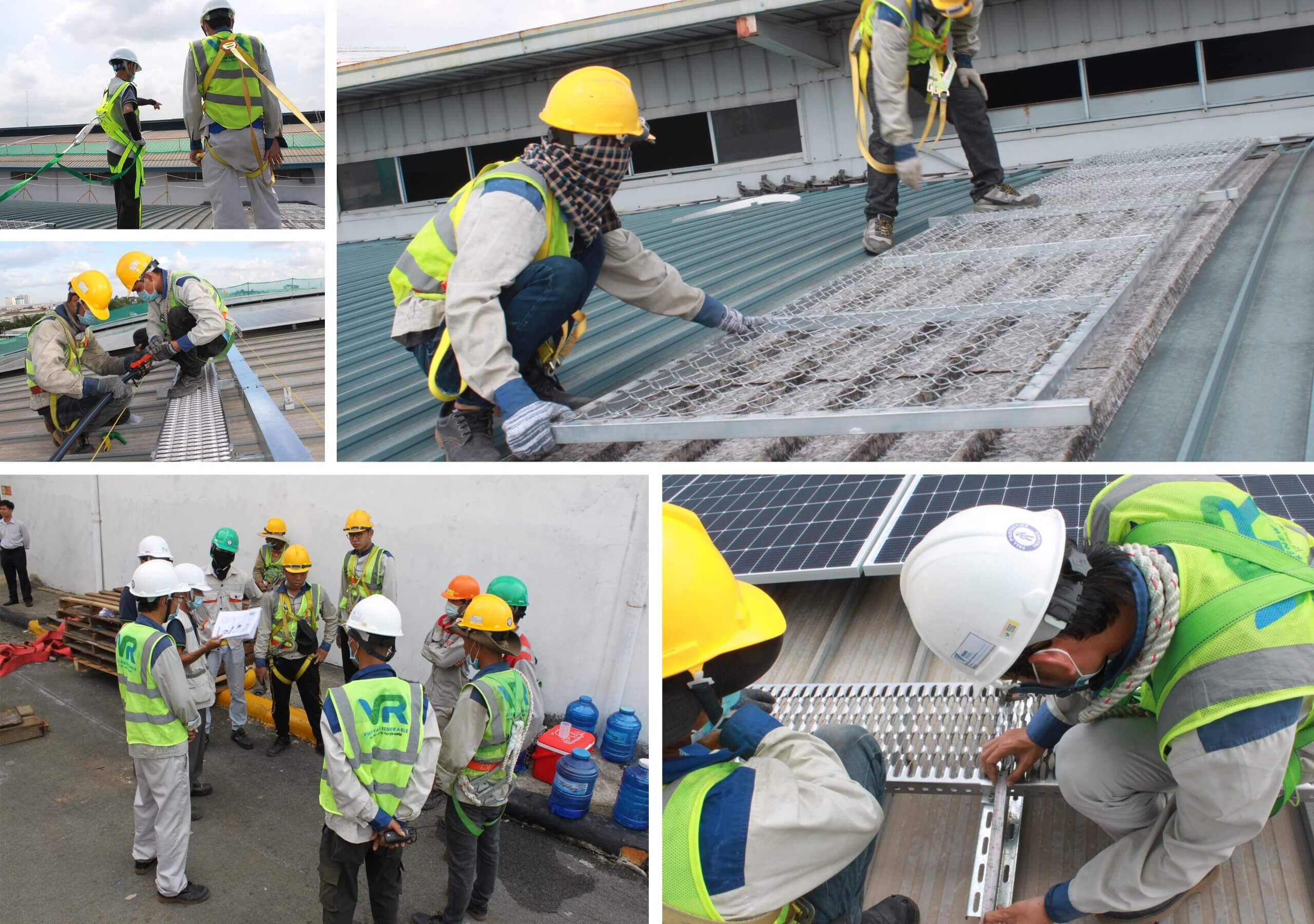
High initial investment costs: Although it helps save electricity bills in the long term, self-generating and self-consuming solar power systems still require a significant initial investment. Users need to consider their budget and find out about financial support programs and incentives from the government if any.
Regular maintenance to maintain performance:
- Clean the solar panels periodically to avoid dust and dirt that reduces efficiency.
- Check electrical system, wiring and inverter to promptly fix technical errors.
- If using storage batteries, it is necessary to control the charge-discharge cycle to extend the battery life.
Not completely independent of the grid: Self-generating solar power systems can reduce dependence on the national grid, but at night or on rainy days, electricity from the grid may still be needed. If you want to be completely self-sufficient, you need to invest in additional battery storage systems, but the cost will increase.
Weather Depending: The performance of the system is affected by weather conditions. Continuous cloudy or rainy days will reduce the amount of electricity produced. Therefore, a backup plan is needed to ensure a stable power supply.
Compliance with legal regulations: Before deploying, it is necessary to understand and comply with the regulations related to the installation of solar power systems, especially if there is a plan to connect to the national grid. Some localities require registration and inspection before the system can be put into operation.
Conclude
Self-produced and self-consumed solar power is an economical and sustainable solution, but to achieve optimal efficiency, careful calculation is required during the implementation process. From equipment selection, installation, to periodic maintenance, each step plays an important role in ensuring system performance and longevity.
With careful preparation, this can be a worthwhile investment that will bring long-term benefits to both individuals and businesses.


 Xem thêm








