


What is zero-cost solar power? How does a solar power system work without initial costs? This is certainly a question that many households and businesses are interested in when learning about this renewable energy solution. With the increasing trend of using clean energy, zero-cost solar power is becoming a popular choice, helping to reduce the financial burden of investing in a solar power system.
Understanding these questions, the article below will provide detailed answers on how zero-cost solar power works, and at the same time point out the practical benefits that users can receive when applying this system. If you are looking to explore the opportunities to save costs and protect the environment with solar power, take a few minutes to follow this article!
What is 0-cost solar power?
Zero-cost solar power is a clean energy solution in which users do not have to pay the initial investment cost to install a solar power system. Instead, they only need to pay the monthly electricity usage cost from the solar power system through long-term contracts with the supplier. This is a popular form that helps reduce the financial burden for households, businesses or organizations that want to switch to using renewable energy without large capital investments.

With zero-cost solar power, the system will be installed and maintained free of charge throughout the contract period. This makes it easy for users to access clean energy, reduce electricity costs without worrying about maintenance or repair costs. This is an attractive model for those who want to take advantage of solar energy but cannot afford the large initial investment.
Zero-cost solar power policies are becoming increasingly popular, especially with the trend of shifting to renewable energy and minimizing environmental impact.
How does 0-cost solar power work?
Contract model: Zero-cost solar power operates on a long-term contract model between the user and the supplier. In this, the user does not have to pay the initial investment cost for the solar power system, but instead, they will pay a monthly fee based on the amount of electricity the system produces. This fee is usually calculated based on the actual electricity consumption, helping users save on electricity costs compared to using conventional grid electricity.
Free installation and maintenance: One of the highlights of zero-cost solar power is that the system will be installed and maintained free of charge by the supplier. The companies providing this service will be fully responsible for the installation, maintenance and repair during the contract period. This helps users not to worry about maintenance costs or technical problems, while ensuring the system operates effectively.
Long-term benefits: Zero-cost solar power not only helps save initial investment costs but also brings long-term benefits. After a period of use, users can save a large amount of monthly electricity costs thanks to the use of renewable energy. The solar power system will provide a stable source of electricity from solar energy, reducing dependence on grid electricity, while contributing to environmental protection.
Long-term efficiency guarantee: Zero-cost solar power suppliers will also guarantee the performance and efficiency of the system. These companies guarantee that the solar power system will operate stably and produce enough electricity throughout the contract period. This gives users peace of mind about the quality and efficiency of the system, while also being able to utilize solar energy effectively and save costs in the long run.
Factors affecting the implementation of zero-cost solar power
- Geographical and climatic conditions
- Scale and level of investment
- Government support policies
Geographical and climatic conditions
One of the important factors affecting the implementation of zero-cost solar power is geographical and climatic conditions. Solar energy sources depend on the amount of solar radiation in a specific area. Areas with a lot of sunshine and little rain will be more effective when using solar power. Areas with abundant sunlight will help the solar power system operate effectively and generate a lot of electricity, thereby saving costs for users. Therefore, when choosing to implement a solar power system, users need to carefully consider the climatic conditions of the area where they live.
Scale and level of investment
The scale and level of investment are decisive factors in the effectiveness of zero-cost solar power deployment. Large households or businesses with high electricity demand will often enjoy better incentives from suppliers, because they can install systems with larger capacity. Zero-cost solar power systems allow users to not have to pay initial costs, but if the system is large and consumes a lot of electricity, the monthly cost will be calculated reasonably. In addition, the installation of a solar power system also needs to consider the level of investment of the supplier and the ability to provide services after installation.
Government support policies
Government support policies are an indispensable factor in the implementation of zero-cost solar power. The Vietnamese government currently has many policies to encourage the use of renewable energy, including solar power. Support programs, tax incentives and low-interest loans make it easier for users to access and deploy solar power systems. These policies not only reduce the initial financial burden but also promote the application of clean energy and environmental protection. Therefore, users need to carefully study current policies to take advantage of the best support from the government when implementing zero-cost solar power.
Zero-cost solar power and financial support solutions
Zero-cost solar power is a great solution to help users switch to renewable energy without worrying about initial investment costs. However, to help consumers deploy this solar power system most effectively, here are some financial support solutions that suppliers and governments are applying:
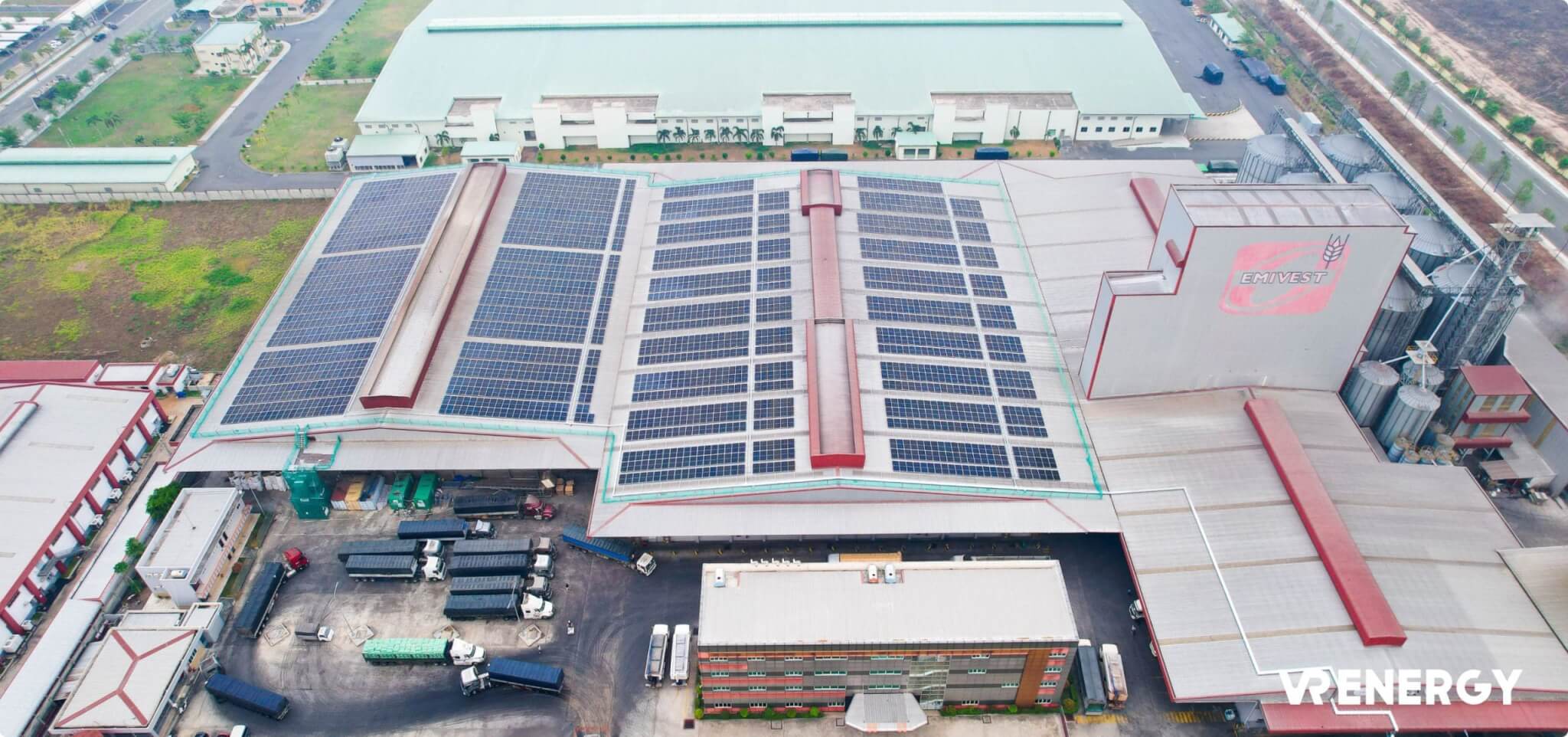
Power Purchase Agreement (PPA) One of the popular financial solutions for deploying zero-cost solar power is the Power Purchase Agreement (PPA). In this form, users do not have to pay the initial cost for installing the solar power system, but instead, they will pay a monthly fee based on the amount of electricity the system produces. This helps consumers save costs, while still ensuring a stable source of energy from the sun without having to spend a large amount of money initially.
Supportive loan policy In addition to the lease-purchase contract, another financial solution to deploy zero-cost solar power is the supportive loan policy from banks and financial institutions. The government and banks are offering preferential loans with low interest rates to households and businesses that want to invest in solar power systems. These loans make it easy for users to access and deploy the system without having to have a large amount of capital from the beginning.
Incentives from the Government The Vietnamese government is also offering a number of incentives to encourage the use of renewable energy. These include tax incentives, investment credits, and subsidies for solar power systems. These incentives help reduce initial costs and make it easier for users to switch to solar power. The policy also makes solar technology more accessible to small and medium-sized enterprises and households.
Choosing a reputable supplier An important factor in implementing zero-cost solar power is choosing a reputable supplier. Large suppliers often have reasonable financial packages and support services, from free installation to long-term maintenance. Consumers should carefully consider suppliers, learn about the financial solutions they offer to ensure that they will receive the best support and not encounter problems during use.
By combining these financial solutions, users can easily deploy zero-cost solar power without worrying about initial investment costs, while saving electricity costs and protecting the environment in a sustainable way.
Why is zero-cost solar power a trend in 2025?
With the strong development of renewable energy technology, zero-cost solar power has become an indispensable trend in 2025. This is a solution to help households and businesses reduce electricity costs and switch to clean energy without having to spend initial investment costs. In the context of increasing electricity prices and the need to protect the environment becoming a top priority, zero-cost solar power provides a comprehensive solution for all users.
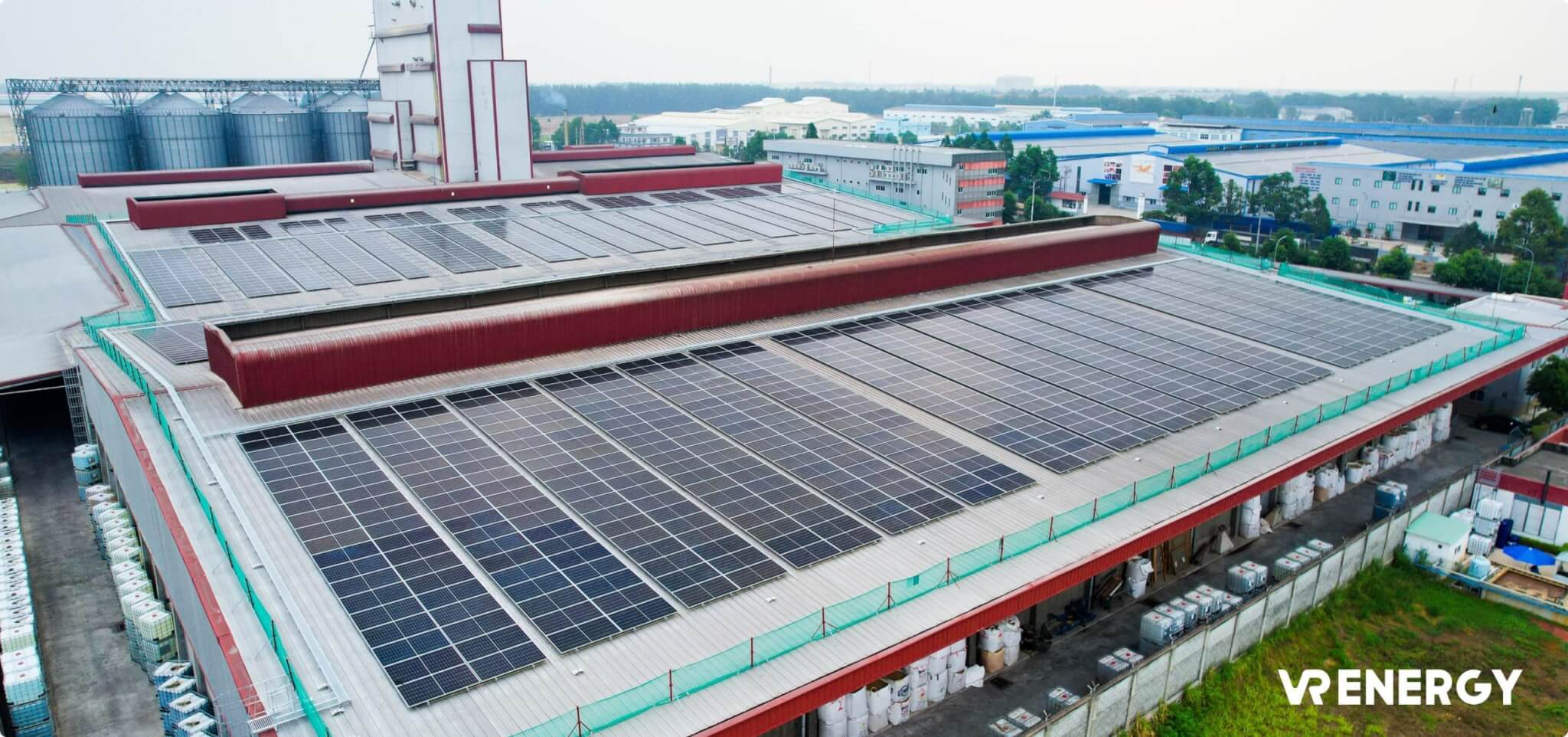
Zero-cost solar power deployment is becoming a popular choice not only because of its sustainability but also thanks to supportive policies from the government and suppliers. The Vietnamese government has introduced tax and credit incentives for solar power projects, making it easy for consumers to access this technology without financial difficulties.
In addition, zero-cost solar power suppliers are increasing their presence with flexible financial packages, helping consumers make the most of solar energy without worrying about initial investment costs. With outstanding benefits in terms of cost, sustainability and support from policies, zero-cost solar power is becoming an indispensable trend in 2025 and the following years, bringing a green and economical future to consumers.


 Xem thêm








