


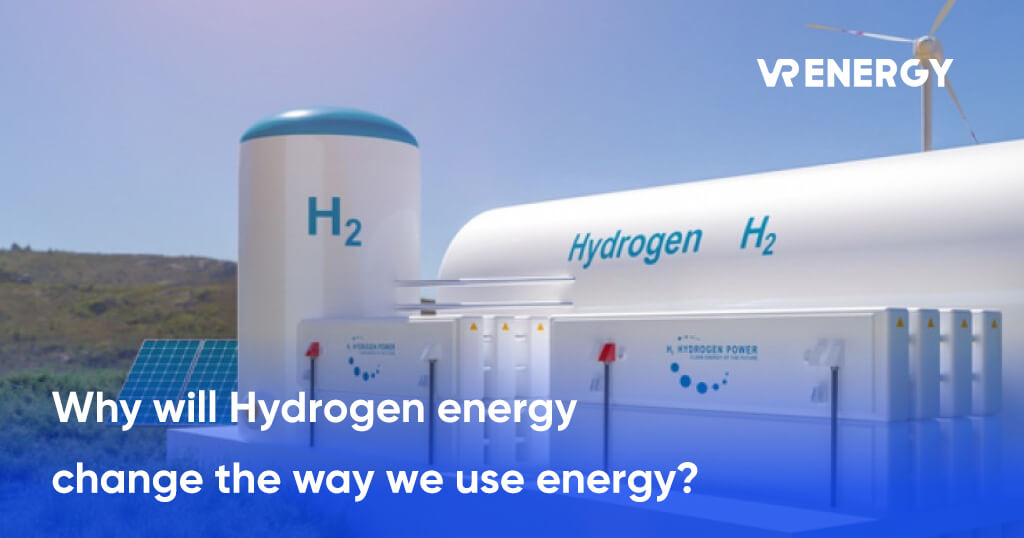
As the world faces major challenges related to climate change and the depletion of fossil fuel resources, the search for alternative energy solutions has become more urgent than ever. In this context, Hydrogen energy emerges as a highly promising solution. With its ability to be produced from renewable energy sources and its non-polluting nature, Hydrogen is considered the “key” to unlocking a new era of clean energy. This article will help you better understand the working mechanism, benefits, and potential applications of Hydrogen energy in the future.
What is Hydrogen Energy?
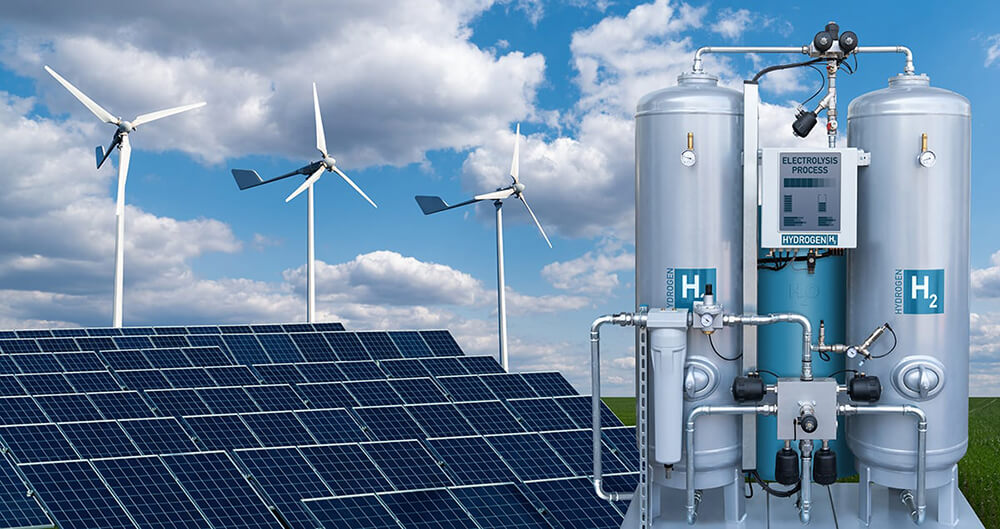
Hydrogen energy is a clean and sustainable energy source derived from Hydrogen gas (H₂), the most abundant chemical element in the universe. Hydrogen does not exist freely in nature but is usually combined with other elements, such as oxygen in water (H₂O) or carbon in organic compounds. To obtain Hydrogen, the electrolysis of water is commonly used, where water is split into Hydrogen and oxygen using electricity.
When Hydrogen is used as fuel, its reaction with oxygen generates electricity and water, without producing polluting emissions. This makes Hydrogen an ideal choice for applications such as transportation, power generation, and various industrial sectors.
However, current Hydrogen production mainly relies on fossil fuels, leading to CO₂ emissions. Therefore, developing methods to produce Hydrogen from renewable energy sources, such as water electrolysis using solar or wind power, is being researched and implemented to minimize environmental impact.
Key Facts About Hydrogen Energy
Hydrogen Applications in Transportation
Hydrogen is the most abundant element in the universe and can be produced from water through electrolysis. This method does not generate CO₂ emissions, helping to reduce negative environmental impacts. Notably, the only byproduct of this process is water, making Hydrogen one of the leading clean and sustainable energy sources today.
Using Hydrogen in Transportation
In the transportation sector, Hydrogen serves as an alternative fuel solution for various vehicles, including cars, buses, ships, and airplanes. Hydrogen fuel cell technology directly converts chemical energy from the reaction between Hydrogen and oxygen into electricity, with the only byproduct being water. This not only eliminates CO₂ emissions but also helps improve air quality in urban areas.
Despite its many advantages, Hydrogen-powered vehicles still face several challenges, including high production costs, limited refueling infrastructure, and difficulties in supplying low-carbon Hydrogen. To address these issues, efforts should focus on reducing fuel cell production costs, optimizing Hydrogen storage systems in vehicles, and expanding the network of refueling stations in key areas.
Hydrogen Applications in Power Generation
Beyond transportation, Hydrogen is also used in power generation through two main methods: fuel cells and gas turbines. When using fuel cells, the reaction between Hydrogen and oxygen produces electricity without CO₂ emissions, ensuring high sustainability. Meanwhile, burning Hydrogen in gas turbines significantly reduces emissions compared to traditional fossil fuels.
However, most of the Hydrogen today is still produced from fossil fuels such as coal and natural gas, resulting in significant CO₂ emissions. To address this issue, it is essential to promote Hydrogen production from renewable energy sources such as solar, wind, and hydropower, thereby ensuring the sustainable development of the clean energy sector.
The Future of Hydrogen in the Energy Industry
Although Hydrogen holds great potential as a fossil fuel alternative, widespread adoption still faces many barriers. The development of a Hydrogen economy requires significant investment in technology research, expansion of refueling infrastructure, and optimization of the green Hydrogen supply chain. Additionally, reducing production costs and fostering international cooperation play a crucial role in accelerating the transition to a sustainable Hydrogen economy.
Notable Current Applications of Hydrogen Energy
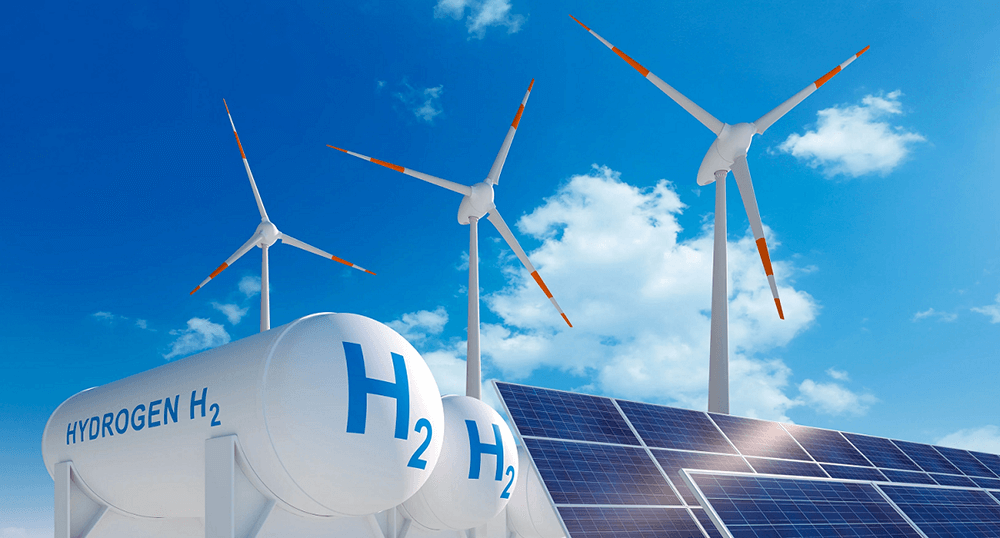
Hydrogen energy is being implemented in numerous real-world projects globally, demonstrating its potential to provide clean and sustainable energy. Below are some notable examples:
Power Generation and Energy Storage
- HyDeal España Project (Spain): Aims to produce 350,000 tons of green Hydrogen annually by 2030, supplying the transportation, steel production, and power sectors.
Transportation
- Coradia iLint Train (Germany): The world’s first Hydrogen fuel cell-powered passenger train, developed by Alstom, has entered commercial operation, proving the feasibility of replacing diesel trains with zero-emission solutions.
- Hydrogen-Powered Buses (China): Many cities in China have introduced Hydrogen fuel cell buses to reduce air pollution and dependence on fossil fuels.
Chemical Industry
- Green Ammonia Production (Australia): A project in Australia is developing a facility to produce ammonia using green Hydrogen, aiming to supply environmentally friendly fertilizers for the agricultural sector.
Oil Refining and Processing
- Rotterdam Refinery (Netherlands): Has implemented the use of Hydrogen in the oil refining process to reduce CO₂ emissions and improve fuel product quality.
Heating and Energy Supply for Buildings
- H21 Project (United Kingdom): Aims to convert the existing heating system to Hydrogen use, testing the replacement of natural gas with Hydrogen in the gas supply network for households and businesses.
These projects demonstrate that Hydrogen energy is not just a potential solution but is already being practically applied, significantly contributing to emission reduction and promoting global sustainable development.
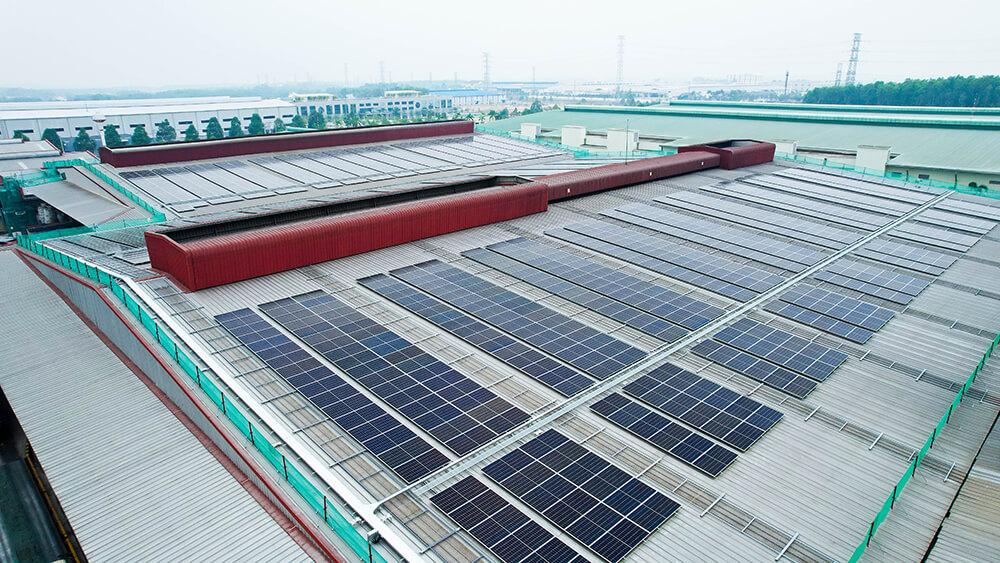
With remarkable advancements in technology and research, Hydrogen energy is gradually proving its crucial role in meeting the demand for sustainable energy in the future. Although challenges remain in its development, it is an innovative and promising direction for mitigating the impacts of climate change. Hopefully, in the near future, Hydrogen energy will become an integral part of the global energy structure, contributing to environmental protection and building a sustainable society.


 Xem thêm








