


We all have to agree that we cannot complete the solar power EPC general contractor project without a process. But most importantly, to determine the result, you must understand what each step takes to achieve the desired goal.
The most important thing: creating value for businesses in implementing solar power projects in accordance with the business’s production & application model. And to achieve that, we need a solar power system design process for the EPC general contractor project.
The steps to perform the process will be:
- Build project scope.
- Calculate the required energy needs.
- Calculate available solar energy.
- Survey the area where the solar power system will be installed.
- Determine the scale and capacity of the solar power system.
- Select the appropriate part and calculate the total cost.
- Develop detailed designs.
Let’s start learning about the process in detail!
Build project scope

The project scope is the map that defines everything that will be done in the EPC General Contractor Project. To ensure that the project is carried out effectively and meets its objectives, defining the project scope is an important first step.
- The project’s goals must be set clearly and specifically. This could include providing clean and sustainable power to industrial infrastructure, minimizing energy bills, or even participating in a greenhouse gas program. Objectives define the direction for the entire design and implementation process.
- Technical requirements are specific technical specifications that the solar power system must meet. This can be related to the capacity, performance, efficiency, and reliability of the system. Clearly defining technical requirements helps ensure that the system will function in the expected way.
- Future scalability is an important factor to ensure project sustainability and flexibility. This includes anticipating the possibility of adding capacity or expanding the system in the future as demand increases. Integrating scalability into the initial design helps avoid having to re-implement the entire system later.
Calculate energy needs
This step is one of the important steps in the solar power system design process, where we determine the amount of energy that needs to be produced by the system to meet the current and future electricity needs of the project. .
To start, we need to collect data on the project’s recent daily, monthly or annual electricity consumption. Through this data, we have a clear view of the amount of electricity the project is using and the frequency of consumption.

Based on current consumption data and factors such as population growth, activity expansion, and changing electricity usage habits, we can predict future electricity consumption growth. This helps us ensure that the designed solar power system can meet the growing needs of the project.
By calculating the amount of electricity consumed by the project in a specific period of time (like a year), we can determine the amount of energy needed to be produced by the solar power system. By comparing energy demand with available solar energy at the project site, we have a view of the ability to meet demand with solar energy.
Calculate available solar energy
This step is an important part of ensuring that the solar power system is designed based on the available solar energy at the project’s specific location. This calculation requires considering many factors such as geographical location, tilt angle, solar panel orientation and weather conditions to estimate the ability to receive solar energy accurately.
The exact geographical location of the project is determined through GPS coordinates. This allows us to use geolocation data to calculate the available solar energy at this particular location.
Based on geographical location, we calculate the amount of solar energy received at that location. This calculation process is based on parameters such as the solar energy source at the exposed sun (solar constant) and factors such as the tilt angle and orientation of the solar panels.
The tilt angle and orientation of solar cell arrays have a significant influence on energy collection efficiency. Setting the angle to optimize sunlight reception and orienting the panels to direct light onto them enhances energy collection efficiency.
Weather factors such as clouds, air conditions, and day and night also affect the amount of solar energy available. This requires looking at the average weather during the project period to estimate solar gain.
Survey the area where the solar power system will be installed
When it comes to this step, performing a technical survey at the installation site will ensure that the solar power system will be deployed optimally. Here is a short description of the process:
- Conduct site survey: First, experts will conduct a direct survey at the project location to determine important factors. This includes determining the proposed installation location and considering opportunities to optimize this location to make the most of sunlight.
- Occlusion: The surveyor will identify factors that may obscure the solar panels such as trees, building structures or other objects. This helps ensure that the battery panel will be placed in an unobstructed location, thereby optimizing energy collection.
- Light direction: The expert will determine the best direction for the solar panels to direct light onto them. This requires considering the angle and orientation of the panels to ensure that they receive sunlight effectively.
- Safety in installation: During installation, safety is the top priority. The surveyor will consider safety factors such as support structures, secure access and protective measures during installation.
Determine system size and capacity
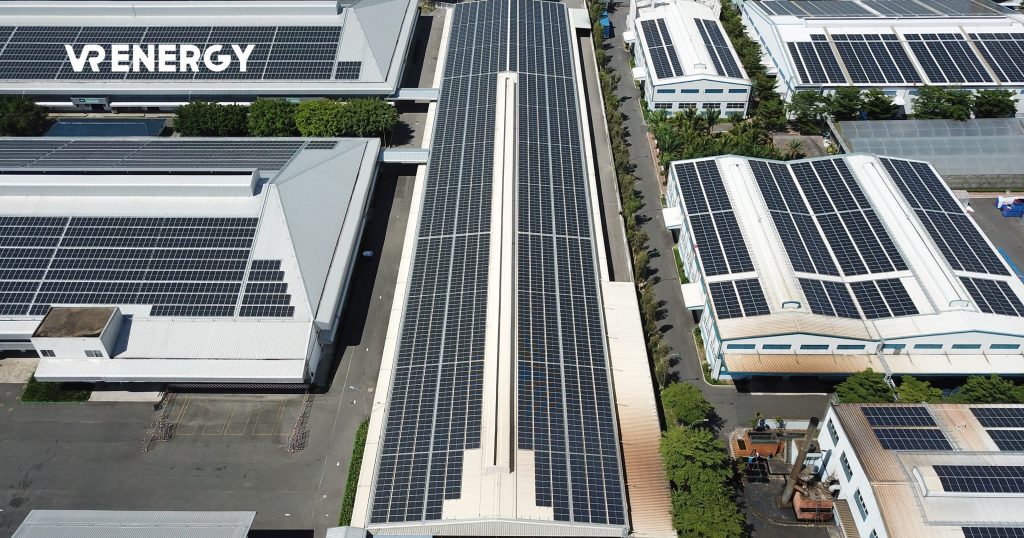
This step is an important decision process to ensure that the solar power system will properly meet the energy needs of the project. Below is a short description of this process:
- Based on energy demand and ability to receive solar energy: We will synthesize information from calculating energy demand (Step 2) and calculating available solar energy (Step 3). This process helps us determine how much energy needs to be produced to meet project needs.
- Calculate the required number of panels: Based on the amount of energy needed to produce and the performance of the solar panels, we calculate the number of panels needed. This includes reviewing battery panel performance based on site conditions and calculating how they will collect solar energy.
- Determine the power needed to provide : Based on the number of battery panels needed, we calculate the power needed to be provided by the system. This capacity is usually measured in kW or MW and represents the system’s ability to produce electricity over a specific period of time.
Select the appropriate department and calculate the investment fee
In this step, the process of selecting components and calculating the total cost of the solar power system is done carefully to ensure that the system will operate efficiently and bring the best value. Below is a short description of this process:
- Choosing the right parts: Based on technical requirements and information about energy needs, we will choose parts such as battery panels, inverters and energy storage systems. This selection is based on performance, reliability and compatibility of components with each other.
- Determine performance and value: Each department has different performance and value. Efficiency determination helps ensure that the system will operate consistently and achieve the expected level of energy production. At the same time, consider the value of each component to ensure that they provide the best bang for the buck in terms of performance and price.
- Calculate the total cost of the system: This process includes calculating the total cost of the solar power system. Total cost includes both parts procurement and installation costs. This calculation helps determine the financial costs required to deploy the system.
Develop detailed designs

The final step in the solar power system design process is to create a detailed design. This process helps ensure that the system will be implemented correctly and meets all technical requirements and complies with regulations and standards. Below is a detailed description of this process:
Create detailed technical drawings: In this step, we will create detailed technical drawings to determine the specific locations of solar panels, power lines and inverter systems. This drawing will show the exact location of each panel on the roof or other mounting surface, as well as the electrical lines connecting them.
Compliance with technical regulations and standards: During the process of developing detailed designs, we must ensure that the design complies with all technical regulations and standards related to the implementation of the electrical system. sun. This includes regulations regarding safety, performance and installation techniques.
Ensuring stable operation over a long period of time: The detailed design needs to ensure that the system will operate stably over a long period of time. This requires ensuring that components are placed properly, electrical lines are connected correctly and that factors such as wind, rain and temperature do not affect the system’s operation.
VREnergy – Professional solar power general contractor project implementation unit
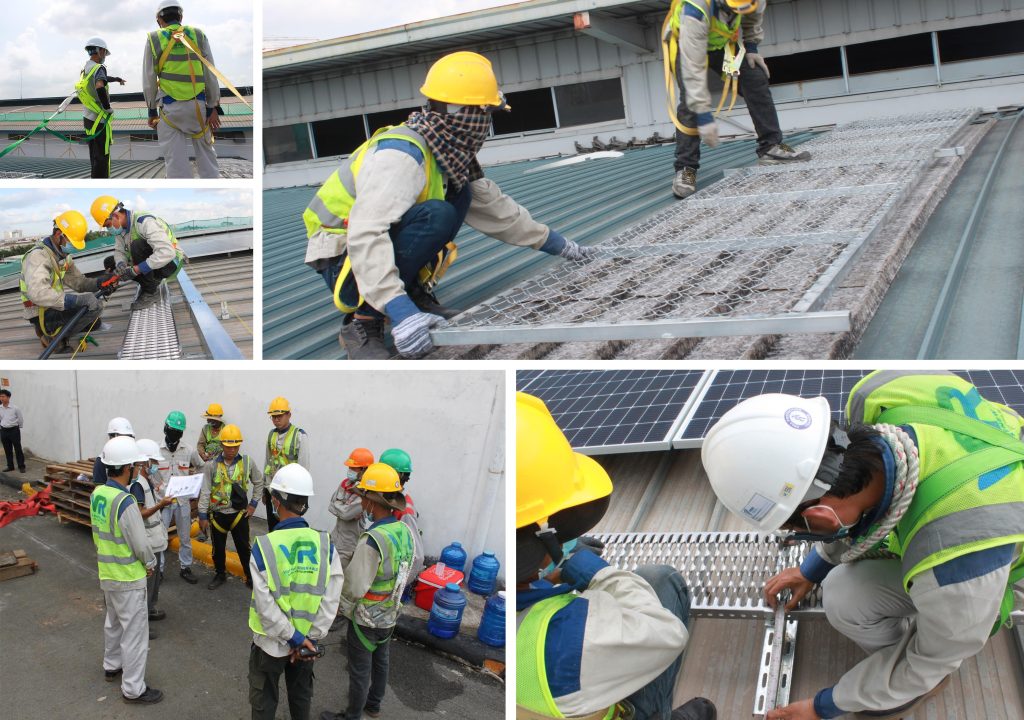
VREnergy is a professional unit in the field of implementing solar power general contractor projects, committed to providing sustainable and effective energy solutions for large and small scale projects. With specialized focus and expertise, VREnergy has built a trusted name in the design, installation and operation of solar power systems.
- Quality and Performance: With a focus on quality and performance, VREnergy ensures that each solar power project is implemented according to the highest standard processes. From top-of-the-line component selection to detailed blueprint construction, every aspect is carried out with care and strict quality checks.
- Engineering and Innovation: VREnergy has a team of experienced and passionate technical experts about solar energy. This allows them to apply the most advanced technical and innovative solutions in each phase of the project. The combination of extensive knowledge and innovative spirit helps VREnergy create optimal and efficient solar energy systems.
- Cost Optimization and Financial Efficiency: An important part of solar power project implementation is optimizing costs and ensuring financial efficiency. VREnergy does this through careful selection of components, meticulous total cost calculations and ensuring that the system is designed to deliver the most value to the customer.
- Committed to sustainability: VREnergy understands the importance of sustainable energy in today’s world. They are committed to contributing to building a greener and cleaner future through the implementation of efficient and sustainable solar power projects.
- Professional service: Professionalism and dedication in service are an indispensable part of VREnergy. They advise, support and interact closely with customers throughout the project implementation process, ensuring that all requirements and expectations are fully met.
With a combination of expertise, innovative techniques and commitment to sustainability, VREnergy has built a solid reputation in the field of solar power project implementation.


 Xem thêm








