


Have you ever heard the phrase “carbon footprint ” or “carbon footprint ”? This is a concept of increasing interest in the context of climate change and increasingly urgent environmental issues.
Carbon footprint serves as a measure of the amount of greenhouse gases, mainly CO2, emitted into the environment during production, consumption and human activities. Simply put, it reflects the level of impact each individual, organization or product has on the environment.
Why is it important to understand your carbon footprint?
- Raise awareness: A clear awareness of carbon footprint helps us understand our impact on the environment, thereby promoting personal and community responsibility in protecting the environment.
- Practical solution: Calculating and tracking carbon footprint helps identify activities and products with high emissions, thereby providing effective mitigation solutions.
- Sustainable competition: In the trend of sustainable development, controlling and minimizing carbon footprint is an important factor to help businesses improve reputation, create a green image and attract potential customers.
This article VREnergy will provide you with complete and useful information about carbon footprint:
- Definitions and concepts: Helps you clearly understand carbon footprint, its importance and significance in the new era.
- Measurement methods: Detailed instructions on carbon footprint measurement methods for individuals, organizations and products.
- Solutions to reduce carbon footprint: Share effective solutions to reduce carbon footprint, contribute to protecting the environment and building a green future.
Let’s learn about the article!
What is Carbon Footprint?

Carbon footprint is a measure of the amount of greenhouse gases (such as CO2, CH4, N2O) released into the environment throughout the life cycle of a product, service or human activity. It is calculated by adding up direct and indirect emissions from the following causes:
- Energy: Using fossil fuels (coal, oil, gas) to produce electricity, transportation, heating, etc.
- Transportation: Use personal transportation, motorbike, car, plane, …
- Agriculture: Cattle raising, use of chemical fertilizers, wet rice cultivation, …
- Industry: Production and consumption of industrial products, waste treatment, …
- Forestry: Deforestation, logging, …
Carbon footprint is expressed in tons of CO2 equivalent (tCO2e).
Effects from Carbon Footprint
From the above reasons, we can see that the impact of carbon footprint is very large, specifically:
Environment:
- Causes the greenhouse effect, increasing global temperatures, leading to climate change.
- Pollutes the air, water, and soil, affecting the ecosystem and human health.
- Reduces biodiversity, destroys the habitat of plants and animals.
Economy:
- Causing economic damage due to climate change such as: natural disasters, floods, droughts, and epidemics.
- Increase costs for climate change adaptation and environmental protection.
- Affects tourism, agriculture, and other economic sectors.
Society:
- Causes human health problems such as respiratory disease, cardiovascular disease, and cancer.
- Causes social inequality, affecting the poor and disadvantaged groups.
- Causing migration, conflict, and social unrest.
Benefits of reducing carbon footprint

Climate change is one of the biggest challenges facing humanity today. Increasing levels of greenhouse gases in the atmosphere, especially CO2, are the main cause of climate change.
Minimizing carbon footprint plays an important role in reducing the amount of greenhouse gases emitted into the environment, contributing to the benefits of:
Protect the environment, minimize climate change
- Reduce the amount of greenhouse gases emitted into the environment: Minimize the impact of climate change, slow down the process of increasing global temperature, limit extreme weather phenomena such as droughts, floods, storms, sea level rising.
- Improve environmental quality: Reduce air, water, and soil pollution, protect ecosystems, natural resources, and human health.
- Preserving biodiversity: Minimizing the risk of extinction of plant and animal species, protecting their habitat.
Improve quality of life and community health
- Minimize health problems: Reduce the incidence of respiratory diseases, cardiovascular diseases, cancer, and diseases related to environmental pollution.
- Enhance community health: Improve the quality of life, increase the average life expectancy of people.
- Create a healthy living environment: Minimize negative impacts on the living environment, create a safe and healthy living environment for people.
Enhance competitive advantages for businesses, attract investment
- Enhance image and brand: Environmentally responsible businesses will attract the attention and trust of customers, investors, and partners.
- Cost savings: Minimize energy consumption, raw materials, and waste treatment costs.
- Increase access to international markets: Many countries and international organizations are applying preferential policies for businesses with environmentally friendly production and business activities.
- Attracting talent: Green businesses will attract talented employees who are conscious of protecting the environment.
Reducing carbon footprint is a practical work towards sustainable development.
How to measure carbon footprint
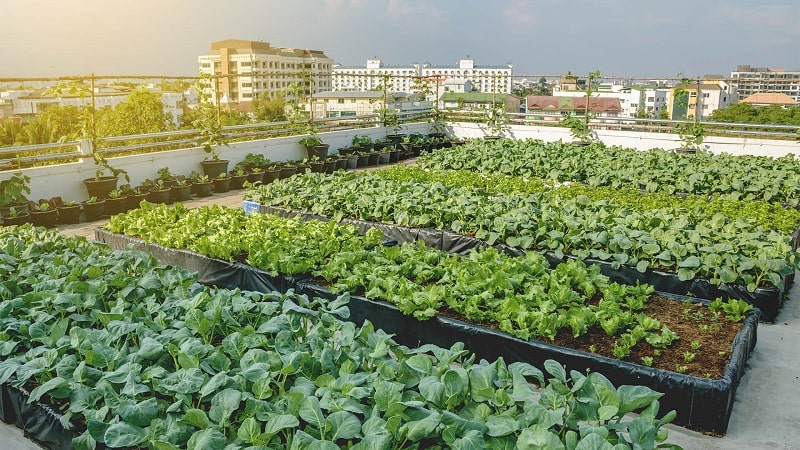
Measuring carbon footprint helps us evaluate the impact of these activities on the environment and come up with effective mitigation measures. There are 2 main methods to measure carbon footprint:
Measure carbon footprint based on activity
- Identify the main activities that generate greenhouse gases (e.g., electricity use, travel, product consumption).
- Collect data on energy consumption, raw materials, and related information for each activity.
- Use calculation tools or emission factor tables to calculate the amount of greenhouse gases emitted from each activity.
- Add up greenhouse gases from different activities to calculate total carbon emissions.
Measure carbon footprint based on products
- Identify specific products or services that require carbon footprint measurement.
- Analyze the life cycle of the product/service (including raw materials, production, use, and disposal).
- Collect data on energy consumption, raw materials, and related information for each stage of the life cycle.
- Use calculation tools or emission factor tables to calculate the amount of greenhouse gases emitted from each stage.
- Add up greenhouse gases from different periods to calculate total carbon emissions.
In addition to the above two methods, there are several other tools and methods to measure carbon footprint:
- Online calculators: There are many free or paid online calculators to help you measure your personal, business, or product/service carbon footprint.
- Emission factor table: Emission factor table provides information about the average amount of greenhouse gases emitted for a specific product/service unit or activity.
- Carbon credits : Carbon credits are a tool to assess and validate the greenhouse gas emissions of an organization or product/service.
Choosing the appropriate carbon footprint measurement method depends on the purpose of measurement, scope of measurement, and available resources.
Effective solution to reduce carbon footprint
Climate change is a huge challenge that the world is facing. Minimizing carbon footprint is one of the essential solutions to protect the environment and build a sustainable future.
This article will share effective solutions to reduce carbon footprint for both individuals and businesses.
For individuals:
- Change consumption habits: Limit the use of disposable items, prioritize reusable or recycled products. Buy enough food, limit waste. Support environmentally friendly products.
- Use energy efficiently: Turn off electrical appliances when not in use. Use energy-saving devices. Use renewable energy such as solar energy and wind energy.
- Using public transportation, bicycles, and walking: Limit the use of motorbikes and personal cars. Use public transportation, bicycle, walk…
- Limit the use of single-use plastic products: Bring a personal water bottle, limit the purchase of bottled water. Use cloth bags instead of plastic bags. Limit the use of other disposable plastic products such as straws, plastic cups, and foam boxes.
For Businesses:
- Apply the circular economy model: Use materials effectively, limit waste. Reuse and recycle products and materials. Product design can be easily disassembled and repaired.
- Use renewable energy: Install solar and wind energy systems. Procure renewable energy from reputable suppliers.
- Increase investment in green technology: Use energy-saving technologies and reduce emissions. Apply smart technology solutions to effectively manage energy and resources.
- Raise awareness of environmental protection for employees: Organize training programs to raise awareness about climate change and its impacts. Encourage employees to apply measures to reduce carbon footprint in work and life.
Pioneering businesses in reducing carbon footprints
More and more businesses are committing to reducing their carbon footprint. Not only is this good for the environment, but it can also help businesses save money and attract customers.
Here are some pioneering businesses in reducing carbon footprints:
- Vietnam Dairy Products Joint Stock Company (Vinamilk) : Vinamilk has committed to reducing greenhouse gas emissions by 50% by 2030 compared to 2015. To implement this commitment, Vinamilk has implemented many solutions such as applying the system ISO 50001 energy management , using renewable energy, improving energy efficiency, using environmentally friendly materials, etc.
- Vietnam Petroleum Group (Petrolimex) : Petrolimex has committed to reducing greenhouse gas emissions by 10% by 2025 compared to 2020. To fulfill this commitment, Petrolimex has implemented many solutions such as using renewable energy. create and improve energy efficiency, invest in clean energy development projects, etc
- Vietnam Electricity Group (EVN) : EVN has committed to reducing greenhouse gas emissions by 20% by 2030 compared to 2020. To implement this commitment, EVN has implemented many solutions such as developing renewable energy. create and improve energy efficiency, invest in power plants using advanced technology, etc
The efforts of businesses to reduce their carbon footprint are very encouraging. We hope that more and more businesses will join this common effort to protect the environment and build a sustainable future.


 Xem thêm








